
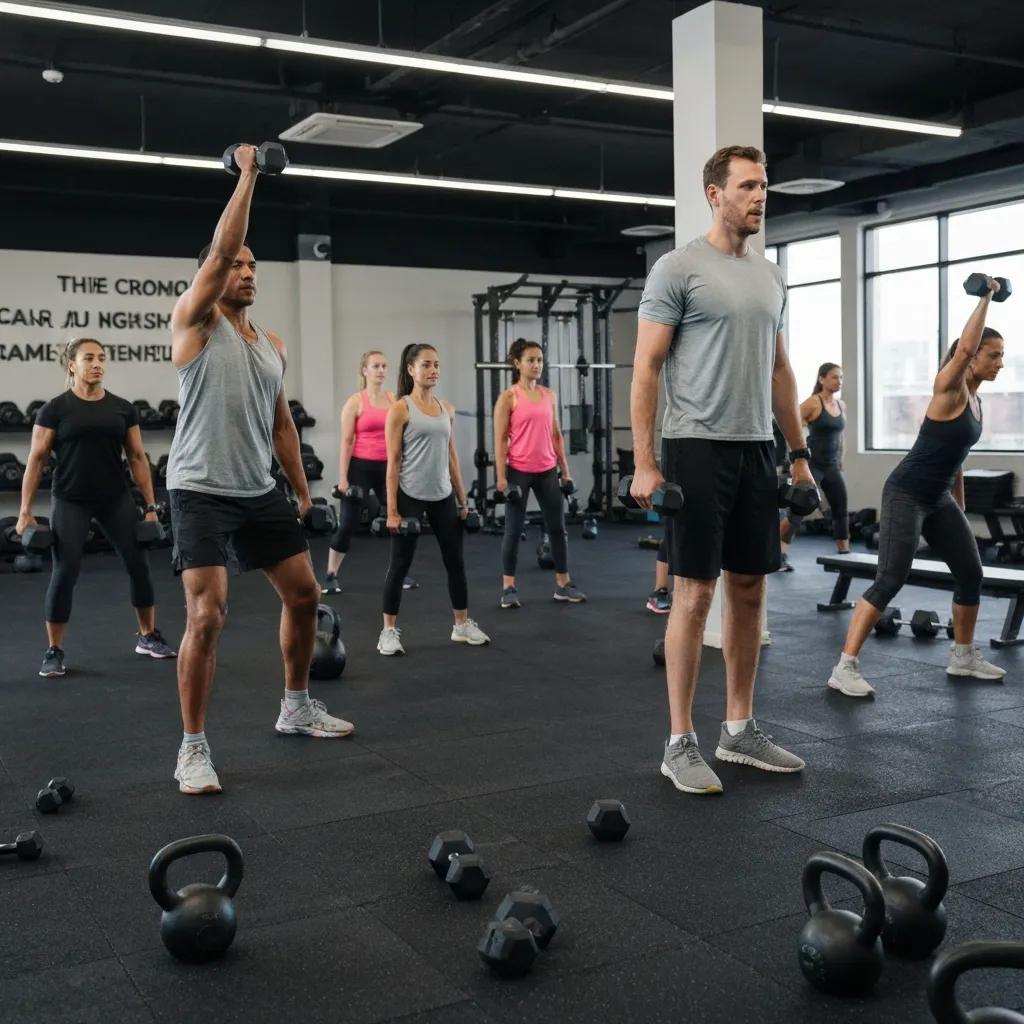
Strength-focused workout classes in West Windsor deliver structured resistance training that builds muscle, improves function, and refreshes a stale exercise routine through progressive overload and coach-led programming. This article explains what strength-focused classes are, how they change your fitness trajectory, and which formats in West Windsor suit different goals—from beginners seeking safe foundational strength to active adults targeting functional power. You will learn the mechanics that drive strength gains, the types of local classes available, and why small group personal training often delivers measurable progress at lower cost than traditional one-on-one coaching. Practical comparisons, an evidence-style benefits table, and clear steps to get started are included so you can choose the right class format and begin tracking strength improvements. Throughout, keywords like workout classes in West Windsor, small group personal training in West Windsor, and strength training West Windsor are woven naturally to help local searchers find relevant options and make an informed decision.
What Are Strength-Focused Workout Classes in West Windsor?
Strength-focused workout classes are coach-led sessions that use resistance—barbells, dumbbells, kettlebells, and bodyweight—to stimulate muscle adaptation and improve functional capacity. They work by applying progressive overload and movement-specific programming so trainees increase force production, muscle mass, and day-to-day strength. These classes prioritize compound lifts and structured progression to reduce plateaus while improving mobility and movement quality. Local West Windsor offerings typically adapt intensity for mixed-ability groups while maintaining a consistent plan to measure improvements over weeks and months.
Strength-focused classes in West Windsor commonly feature these core elements:
- Structured Progression: Planned increases in load or volume across sessions to drive gains.
- Coach-Led Technique Cues: Trainers correct form to maximize safety and effectiveness.
- Functional Movements: Compound lifts and movement patterns that transfer to daily life.
These core elements create a reliable framework for measurable strength gains and lead directly into how classes change a routine through specific programming and progression strategies.
How Do Strength Training Classes Improve Your Fitness Routine?
Strength training classes improve routines by replacing unstructured workouts with periodized plans that intentionally progress intensity and complexity. The mechanism is progressive overload: gradual increases in weight, reps, or complexity force muscles to adapt, increasing strength and muscle mass while improving metabolic rate. Strength training rules
For example, a 12-week block might prioritize technique and foundational loads for four weeks, increase volume for four weeks, then focus on heavier loads and maximal strength in the final month to overcome plateaus. That structured approach not only accelerates results but also reduces decision fatigue and improves long-term adherence, which leads into the practical variety of class types available locally.
The core principle driving these adaptations is the systematic increase in training stimulus.
Progressive Overload in Strength Training: Load vs. Repetitions
Progressive overload is a principle of resistance training exercise program design that typically relies on increasing load to increase neuromuscular demand to facilitate further adaptations. However, little attention has been given to another way of increasing demand—increasing the number of repetitions.
Which Types of Strength Classes Are Available in West Windsor?
West Windsor offers a range of strength-focused formats to match goals and experience, each using specific equipment and session structure to meet different needs. Typical class types include small group strength classes that blend coaching and accountability, barbell-focused sessions for those pursuing strength sports, circuit-based resistance classes for metabolic conditioning, and bodyweight or hybrid classes for mobility and functional fitness.
- Small group strength classes: Semi-private, coach-led sessions for personalized progression.
- Barbell-focused classes: Emphasize compound lifts, ideal for strength and power development.
- Circuit/resistance classes: Combine strength moves with conditioning, suitable for fat loss and stamina.
- Bodyweight/hybrid classes: Prioritize mobility and functional movement for daily performance.
These formats allow residents to select a class that aligns with their goals and schedule, and the next section explains why small group personal training specifically can amplify strength gains.
How Can Small Group Personal Training in West Windsor Boost Your Strength?
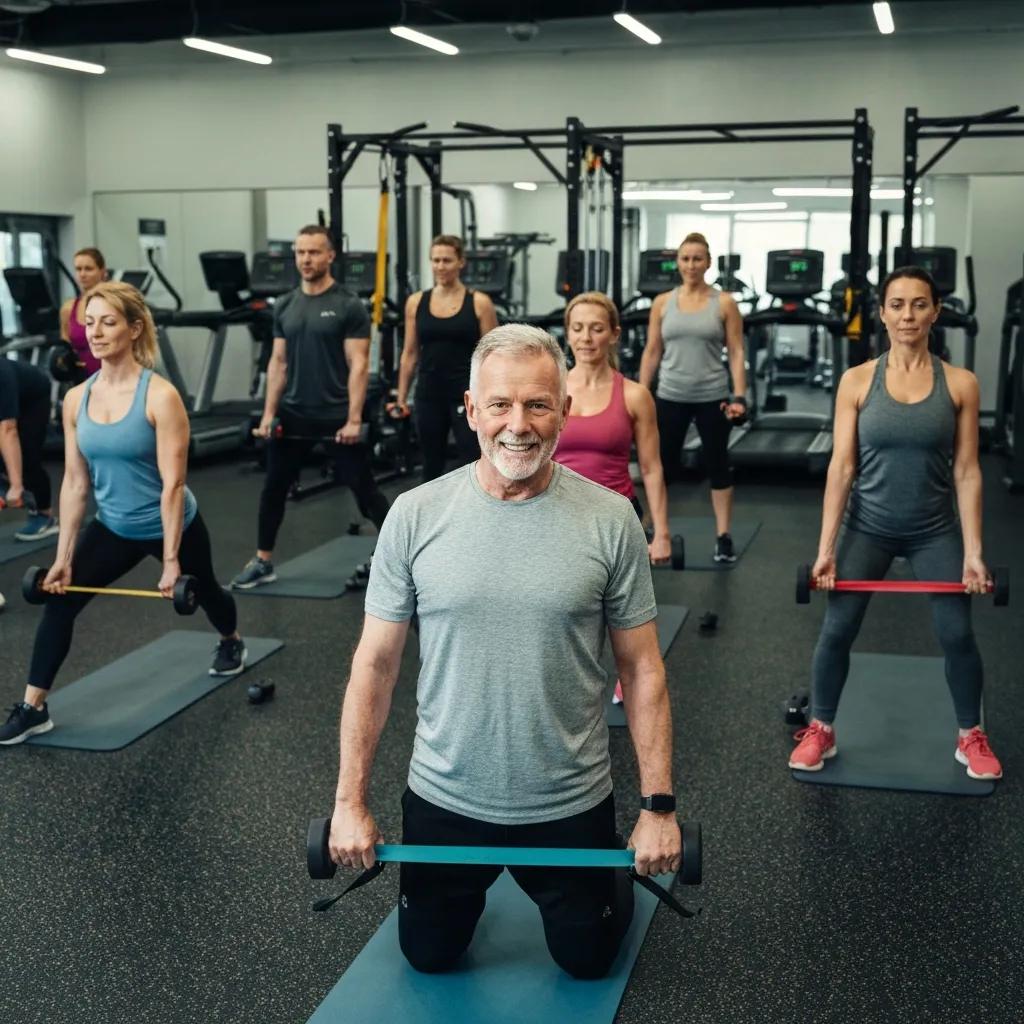
Small group personal training in West Windsor describes semi-private, coach-led sessions where instructors manage programming for a few participants while offering individualized cues and progress tracking. This format works because it balances personalization and peer accountability: each participant receives technical feedback while benefiting from group motivation, consistent progression, and cost efficiencies compared with one-on-one coaching. Small groups typically run focused strength cycles, use progressive overload and individual scaling, and track measurable lifts or performance markers to demonstrate improvements week-to-week. These features make small group training an effective pathway for steady strength increases while preserving social support.
Small group personal training offers several advantages: small group personal training
- More personalized coaching than large classes: Trainers provide corrections and scaled progressions tailored to individuals.
- Stronger adherence through community accountability: Group consistency reduces missed sessions and improves outcomes.
- Cost-effective progression compared to one-on-one training: Shared coach time lowers per-person cost while keeping program quality high.
These advantages lead into the social and motivational dynamics that community-focused group fitness fosters and how that impacts long-term adherence.
What Are the Advantages of Community-Focused Group Fitness?
Community-focused group fitness improves motivation, consistency, and skill transfer by combining shared goals with structured sessions and social reinforcement. Psychologically, exercising with peers increases accountability and enjoyment, which raises attendance and long-term adherence—key drivers of cumulative strength improvements. Practically, groups provide a range of partners for testing progress, friendly competition, and sharing technique insights, and coaches can program progressions that leverage the group’s momentum to push individual improvements. The social environment therefore complements technical coaching and directly supports measurable strength and functional gains over time.
The effectiveness of structured, smaller group settings for fitness has been recognized for its ability to deliver comprehensive results. small group personal training
Small Classes: Effective Adult Fitness Programs
The purpose of this article is to present a small-class program design that has helped many adults improve their muscular strength, endurance, and cardiovascular fitness. Fitness instructors and personal trainers should find that this approach is effective for fitness.
How Does Small Group Training Compare to One-on-One Personal Training?
Comparing small group and one-on-one training clarifies the trade-offs in attention, customization, and cost so readers can choose the best fit for their goals. In a one-on-one setting, clients get fully tailored programming and continuous hands-on correction, which accelerates skill learning and is ideal for advanced lifts or rehabilitation. Small group training maintains many benefits of personal coaching—structured progression and individualized scaling—but distributes attention across participants, offering a cost-efficient alternative without sacrificing program quality for many goals. This cost-versus-customization balance helps people select the right format for their commitment level and timeline.
Before the comparison table, consider the typical differences and who benefits most from each format:
- One-on-one: Best for complex technical goals or injury rehab requiring dedicated attention.
- Small group: Best for consistent strength improvements with social motivation and lower per-person cost.
| Feature | Small Group Typical | One-on-One Typical |
|---|---|---|
| Class size | 4–8 participants | 1 participant |
| Trainer attention | Shared, focused cues | Continuous, individualized correction |
| Customization level | Programmed with individual scaling | Fully bespoke programming |
| Cost per session | Lower per person | Higher per person |
| Ideal client | Motivated learners seeking community | Clients needing deep individualization |
This table highlights the practical trade-offs and helps readers decide which training modality aligns with their goals; next we explore why individual personal training remains valuable for targeted strength development.
(If you prefer to try small group training first, many West Windsor studios offer introductory trial classes or short blocks to evaluate fit and progress.)
Boost Strength with West Windsor Small Group Training (53 characters)
Personal training in West Windsor delivers targeted programming, hands-on technique coaching, and objective progress tracking that accelerates strength adaptations while reducing injury risk. The mechanism is individualized program design: an initial assessment identifies movement limitations and strength baselines, which trainers translate into periodized plans emphasizing progressive overload, recovery, and measurable milestones. This level of personalization allows rapid correction of technique faults and efficient loading strategies that produce consistent, safe strength increases. For those with specific timelines—or who need rehabilitation-aware programming—one-on-one training remains the most direct route to measurable gains.
What to look for in qualified trainers and programs:
- Certifications and education: Trainers should hold recognized credentials and demonstrate evidence-based programming capabilities.
- Assessment-driven plans: Programs that begin with movement and strength testing deliver safer progressions.
- Progress tracking: Measurable lifts, rep targets, and periodic reassessments ensure objective improvement.
Local West Windsor fitness centers and personal training studios typically advertise certified trainers, small-group formats, structured class schedules, and flexible session packages to accommodate different lifestyles while focusing on strength outcomes. If you want personalized attention for faster strength gains, inquire about assessment-led programs and trial sessions to confirm the training approach matches your goals.
What Makes Our Certified Personal Trainers Unique?
When evaluating trainers in West Windsor, prioritize those who combine formal certification with practical coaching experience, clear communication, and a commitment to progressive programming. A quality trainer translates assessment data into periodized plans, corrects movement patterns with precise cues, and adapts loads to each client’s recovery and performance metrics. Look for coaches who explain the reasoning behind programming decisions—this transparency promotes client buy-in and faster skill acquisition. Clear coaching combined with measurable targets helps clients stay motivated and steadily increase strength without unnecessary setbacks.
How Do Customized Workout Plans Deliver Results?
Customized workout plans deliver results by aligning assessment findings with progressive periodization, targeted load management, and consistent tracking of outcomes. fitness assessments
A typical 8–12 week plan begins with foundational work to correct mobility and technique, moves into volume-building phases to increase hypertrophy, and culminates with strength-focused blocks that raise maximal force production.
Tracking metrics—such as increases in lift weights, improved repetitions at a target load, or better movement quality—creates objective evidence of progress and informs the next cycle of programming. This assessment→program→track cycle ensures continuous, measurable strength improvements tailored to each individual.
How Do Strength Training Classes in West Windsor Transform Your Health and Wellness?

Strength training classes deliver broad health benefits that span metabolic, musculoskeletal, functional, and mental domains by increasing muscle mass, improving bone density, enhancing mobility, and boosting mood. The physiological mechanism includes hypertrophy and neural adaptations that raise resting metabolic rate, while mechanical loading stimulates bone remodeling to support long-term skeletal health. Functionally, improved strength translates into easier performance of daily tasks and greater independence as people age. Psychologically, progressive training increases self-efficacy and reduces stress, which together support sustained participation and longevity.
Strength training produces several key health outcomes:
- Improved metabolism and body composition: Increased muscle mass elevates calorie expenditure and supports fat loss.
- Stronger bones and reduced fracture risk: Resistance loading stimulates bone density maintenance and growth.
- Better functional mobility: Strength gains improve balance, locomotion, and independence in daily activities.
These benefits are summarized in the table below to clarify evidence-backed outcomes and expected impact.
| Health Outcome | Training Effect | Expected Impact |
|---|---|---|
| Metabolic rate | Increased lean mass through resistance training | Improved body composition and calorie burn |
| Bone density | Mechanical loading stimulates bone remodeling | Reduced age-related fracture risk |
| Muscle mass | Hypertrophy and neural adaptation | Greater strength and functional capacity |
| Mobility & balance | Targeted strength + movement training | Improved daily task performance and independence |
This comparison shows how different physiological mechanisms translate into tangible health improvements, reinforcing why consistent strength training is valuable for long-term wellness and functional longevity.
What Are the Key Health Benefits of Strength Training?
Strength training raises basal metabolic rate by building and preserving muscle, which supports weight management and metabolic health when combined with proper nutrition. Mechanical stresses from resistance exercises stimulate osteogenesis, helping to maintain or increase bone density—a critical factor for aging populations protecting against osteoporosis. Additionally, improved neuromuscular coordination from compound lifts enhances balance and reduces fall risk, while routine training reduces chronic pain through better movement patterns. Together, these physiological benefits strengthen overall resilience and daily functioning.
How Does Strength Training Support Mental Well-being and Longevity?
Regular strength training contributes to mental well-being by increasing confidence, reducing symptoms of anxiety and depression through exercise-induced neurochemical changes, and providing structured social interaction when performed in classes. On a longevity pathway, strength training preserves functional independence, enabling older adults to maintain daily activities and quality of life longer. Current research indicates that combining strength training at least twice weekly with progressive overload offers both mental health benefits and measurable improvements in markers associated with healthy aging, making it a high-value intervention for long-term wellness.
Frequently Asked Questions
What should I expect during my first strength training class?
During your first strength training class, you can expect a welcoming environment where the coach will introduce you to the equipment and exercises. The session will typically start with a warm-up to prepare your muscles, followed by a structured workout focusing on fundamental movements. Coaches will provide guidance on proper form and technique to ensure safety and effectiveness. Additionally, you may receive personalized modifications based on your fitness level, making it suitable for beginners and experienced participants alike.
How often should I attend strength training classes for optimal results?
For optimal results, attending strength training classes 2 to 3 times per week is generally recommended. This frequency allows your muscles adequate time to recover while still providing enough stimulus for growth and strength gains. Consistency is key, so finding a schedule that fits your lifestyle will help you adhere to your training plan. Additionally, incorporating rest days and varying your workouts can prevent plateaus and keep your routine engaging, ultimately leading to better long-term results.
Can strength training classes accommodate different fitness levels?
Yes, strength training classes are designed to accommodate various fitness levels. Coaches typically provide modifications and scaling options for exercises, allowing beginners to start with lighter weights or simpler movements while more advanced participants can increase intensity or complexity. This inclusivity ensures that everyone can participate and progress at their own pace, making strength training accessible and effective for individuals with different backgrounds and goals.
What equipment will I need for strength training classes?
Most strength training classes provide all necessary equipment, including dumbbells, kettlebells, resistance bands, and sometimes barbells. However, it’s advisable to wear comfortable workout attire and supportive athletic shoes. If you have personal equipment you prefer, such as weightlifting gloves or a water bottle, feel free to bring those along. Always check with the class instructor beforehand to see if there are any specific requirements or recommendations for your first session.
How can I track my progress in strength training classes?
Tracking your progress in strength training classes can be done through various methods. Many facilities provide performance tracking tools, such as workout logs or apps, where you can record weights lifted, repetitions, and personal bests. Additionally, regular assessments by your coach can help gauge improvements in strength and technique. Setting specific, measurable goals—like increasing your lift weights or completing more repetitions—can also provide motivation and a clear way to see your progress over time.
Are there any dietary recommendations to complement strength training?
Yes, proper nutrition plays a crucial role in complementing strength training. A balanced diet rich in protein, healthy fats, and complex carbohydrates can support muscle recovery and growth. Aim to consume protein sources like lean meats, dairy, legumes, and nuts to aid muscle repair. Additionally, staying hydrated is essential for optimal performance. Consider consulting a nutritionist for personalized dietary advice that aligns with your fitness goals and complements your strength training regimen.
What are the long-term benefits of participating in strength training classes?
Participating in strength training classes offers numerous long-term benefits, including improved muscle mass, enhanced bone density, and better functional mobility. Over time, these benefits contribute to a higher metabolic rate, aiding in weight management and overall health. Additionally, strength training can reduce the risk of chronic diseases, improve mental well-being, and enhance quality of life as you age. Regular participation fosters a sense of community and accountability, further supporting sustained engagement in a healthy lifestyle.
Conclusion
Engaging in strength-focused workout classes in West Windsor provides a structured approach to building muscle, enhancing functional capacity, and revitalizing your fitness routine. These classes not only foster measurable strength gains but also create a supportive community that encourages long-term adherence to fitness goals. By choosing the right class format, you can tailor your experience to meet your individual needs and track your progress effectively. Discover the variety of strength training options available in West Windsor and take the first step towards transforming your health today.