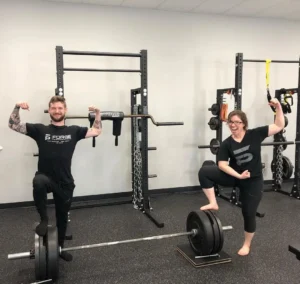


Stress is a pervasive issue in modern life, affecting mental and physical health. Understanding how to manage stress effectively is crucial for overall well-being. This article explores the powerful role of exercise and mindful movement in alleviating stress and enhancing mental wellness. Readers will learn about the physiological effects of exercise on stress, the benefits of mindful movement techniques, effective breathing exercises, and how personalized exercise plans can optimize stress relief. By addressing these topics, we aim to provide practical strategies for individuals seeking to improve their mental health through physical activity and mindfulness.
How Does Exercise Physiologically Reduce Stress?
Exercise serves as a natural antidote to stress by triggering physiological changes in the body. When engaging in physical activity, the body releases endorphins, often referred to as “feel-good” hormones, which can elevate mood and reduce feelings of anxiety. Additionally, exercise helps lower cortisol levels, a hormone associated with stress, thereby promoting a sense of calm and relaxation. Regular physical activity not only enhances mood but also improves overall mental resilience, making it a vital component of stress management. blog
What Are the Key Stress Hormones Affected by Physical Activity?
Physical activity significantly impacts key stress hormones, particularly cortisol and endorphins. Cortisol, known as the primary stress hormone, is released in response to stressors. Regular exercise can help regulate cortisol levels, reducing the body’s stress response. On the other hand, endorphins are neurotransmitters that promote feelings of happiness and euphoria. Engaging in activities such as running, swimming, or cycling can lead to increased endorphin production, contributing to improved mood and reduced stress.
How Does Moderate Exercise Influence Cortisol and Endorphin Levels?
Moderate exercise, such as brisk walking or cycling, has a profound effect on cortisol and endorphin levels. Studies indicate that even short bouts of moderate exercise can lead to a significant decrease in cortisol levels while simultaneously boosting endorphin release. This dual effect not compounds not only helps alleviate immediate stress but also fosters long-term mental health benefits. Incorporating moderate exercise into daily routines can be an effective strategy for managing stress and enhancing overall well-being.
Which Mindful Movement Techniques Best Alleviate Anxiety and Improve Mental Health?
Mindful movement techniques, such as yoga, tai chi, and Pilates, offer unique benefits for alleviating anxiety and improving mental health. These practices emphasize the connection between mind and body, promoting relaxation and mindfulness. By focusing on breath and movement, individuals can cultivate a sense of calm and presence, which is essential for managing stress effectively.
Mindful Movement for Anxiety and Depression in Students
University students are increasingly vulnerable to mental health problems, such as anxiety and depression, which have been associated with academic stress, job market uncertainty, and lifestyle-related factors such as physical inactivity and poor sleep habits. Mindful movement, defined as structured programs integrating mindfulness practice with physical movement, offers a holistic approach to reducing anxiety and depression, though its effectiveness and specific intervention differences—such as duration, delivery mode, and behavior change techniques—remain underexplored.
Integrating mindfulness and physical activity: a meta-analysis of mindful movement interventions for symptoms of anxiety and depression among university students, SB Samsudin, 2025
How Does Yoga Enhance Mental Health and Stress Relief?
Yoga is a powerful practice that enhances mental health through its emphasis on mindfulness and breath control. Research shows that regular yoga practice can lead to reduced symptoms of anxiety and depression. The combination of physical postures, breathing exercises, and meditation fosters relaxation and helps individuals develop coping strategies for stress. By promoting a state of mindfulness, yoga encourages practitioners to remain present, reducing the impact of stressors on mental well-being.
What Are the Benefits of Tai Chi and Pilates for Mind-Body Wellness?
Tai Chi and Pilates are two mindful movement practices that contribute to mind-body wellness. Tai Chi, often described as “meditation in motion,” promotes relaxation and balance through slow, deliberate movements. This practice has been shown to reduce anxiety and improve overall mental health. Pilates, on the other hand, focuses on core strength and body awareness, enhancing physical stability and mental clarity. Both practices offer unique benefits that can complement traditional exercise routines, making them valuable tools for stress management.
What Are the Most Effective Breathing Exercises for Stress Reduction?
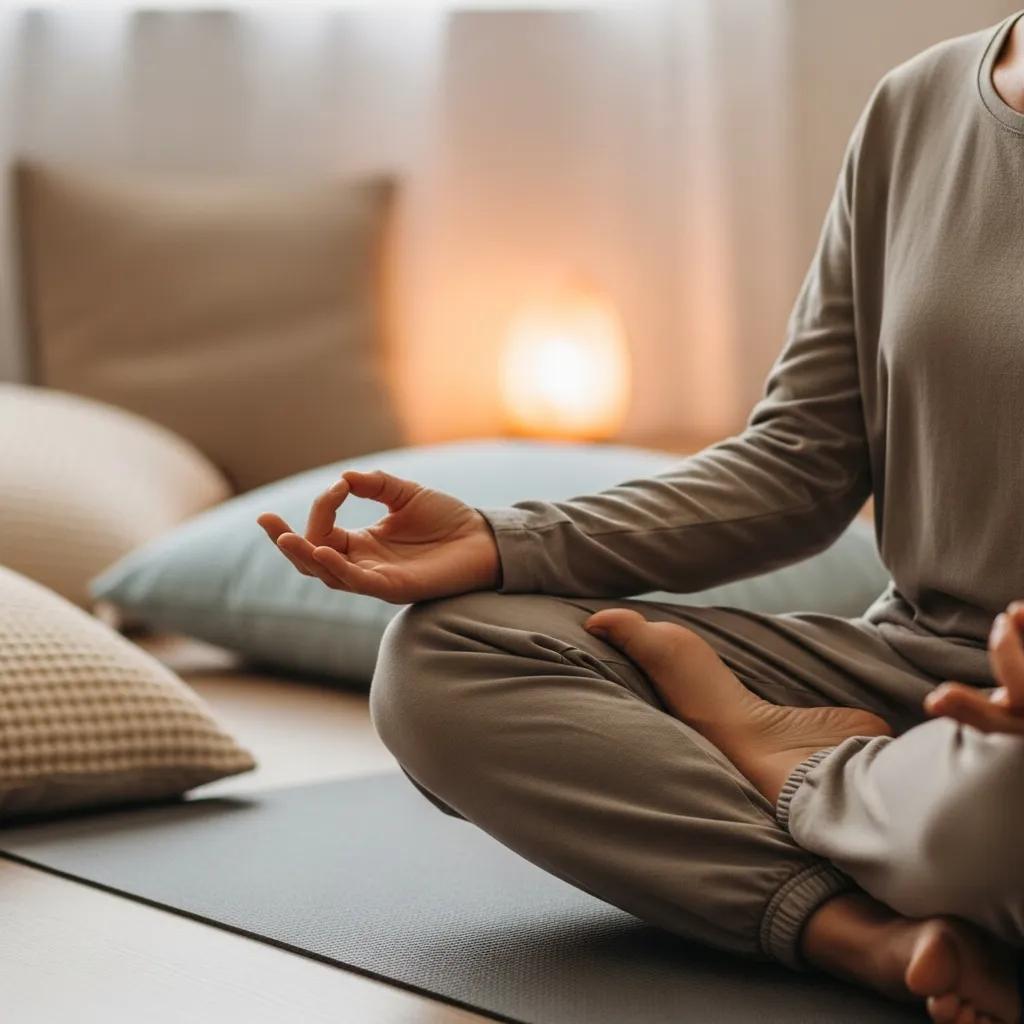
Breathing exercises are a simple yet effective way to reduce stress and promote relaxation. These techniques can be practiced anywhere and provide immediate relief from anxiety. By focusing on breath control, individuals can activate the body’s relaxation response, counteracting the effects of stress.
Breathing Practices for Stress Reduction and Mental Wellness
Breathing practices have been recognized for their significant stress management effects associated with breathing techniques, due to their ability to regulate the autonomic nervous system and reduce physiological arousal. These practices offer a variety of simple breathing techniques but also provide comfort and relief from symptoms often associated with modern day psychological distress. Our objective is to generate guidelines for maximizing stress reduction benefits of breathing practices.
Breathing practices for stress and anxiety reduction: Conceptual framework of implementation guidelines based on a systematic review of the published …, N Arce, 2023
How Do Guided Breathing Techniques Support Relaxation and Anxiety Control?
Guided breathing techniques, such as deep breathing and diaphragmatic breathing, are effective methods for promoting relaxation. These techniques encourage individuals to focus on their breath, slowing down the heart rate and calming the mind. Research indicates that practicing guided breathing can significantly reduce anxiety levels and improve overall emotional well-being. Incorporating these techniques into daily routines can enhance stress management efforts.
Which Breathing Exercises Are Recommended for Beginners?
For beginners, several simple breathing exercises can be easily integrated into daily life. Some effective options include:
- Deep Breathing: Inhale deeply through the nose, allowing the abdomen to expand, then exhale slowly through the mouth.
- 4-7-8 Breathing: Inhale for 4 seconds, hold for 7 seconds, and exhale for 8 seconds to promote relaxation.
- Box Breathing: Inhale for 4 seconds, hold for 4 seconds, exhale for 4 seconds, and hold for another 4 seconds.
These exercises can be practiced for just a few minutes each day to help manage stress and promote a sense of calm.
Best Mindful Movement for Stress Relief (37 characters) Mindful
Creating personalized exercise plans is essential for optimizing stress relief and mental wellness. Individual needs and preferences play a significant role in determining the most effective exercise strategies. By tailoring workouts to fit personal goals and lifestyles, individuals can enhance their commitment to regular physical activity, leading to better mental health outcomes.
Personalized Exercise Plans for Stress Management and Wellness
A training plan, or an exercise prescription, is the point where we translate sport and exercise science into practice. As in medicine, good practice requires writing a training plan or prescribing an exercise programme based on the best current scientific evidence. A key issue, however, is that a training plan or exercise prescription is typically a mix of many interacting interventions (e.g. exercises and nutritional recommendations) that additionally change over time due to periodisation or tapering. Thus, it is virtually impossible to base a complex long-term training plan fully on scientific evidence. We, therefore, speak of evidence-informed training plans and exercise prescriptions to highlight that only some of the underlying decisions are made using an evidence-based decision approach.
Personalized, evidence-informed training plans and exercise prescriptions for performance, fitness and health, H Wackerhage, 2021
What Factors Should Be Considered When Designing Stress Relief Workouts?
When designing stress relief workouts, several factors should be considered: the role of fitness assessments.
- Physical Condition: Assessing current fitness levels and any existing health conditions is crucial for creating safe and effective exercise plans.
- Personal Preferences: Incorporating activities that individuals enjoy increases adherence to exercise routines.
- Mental Health Goals: Identifying specific mental health objectives, such as reducing anxiety or improving mood, can guide the selection of appropriate exercises.
By considering these factors, individuals can develop personalized plans that effectively address their unique stress management needs.
How Can Mindful Movement Be Integrated Into Daily Routines?
Integrating mindful movement into daily routines can enhance overall well-being. Simple strategies include: enhance my workouts.
- Morning Stretching: Starting the day with gentle stretches or yoga can set a positive tone for the day ahead.
- Mindful Walking: Taking short walks while focusing on breath and surroundings can promote mindfulness and reduce stress.
- Evening Wind-Down: Engaging in calming activities, such as tai chi or meditation, before bedtime can improve sleep quality and reduce anxiety.
Incorporating these practices into daily life can foster a greater sense of mindfulness and resilience against stress.
What Scientific Evidence Supports Exercise and Mindful Movement for Stress Management?
Numerous studies support the effectiveness of exercise and mindful movement in managing stress. Research consistently demonstrates the positive impact of physical activity on mental health, highlighting the importance of incorporating these practices into daily life.
What Recent Studies Demonstrate Cortisol Reduction Through Exercise?
Recent studies indicate that regular exercise significantly reduces cortisol levels, contributing to improved stress management. For instance, a study published in a leading psychology journal found that participants who engaged in regular aerobic exercise experienced lower cortisol levels compared to sedentary individuals. This evidence underscores the importance of physical activity in promoting mental wellness.
How Do Professional Certifications Validate Mindful Movement Practices?
Professional certifications play a crucial role in validating mindful movement practices. Certified instructors are trained to teach techniques that promote safety and effectiveness, ensuring that participants receive the maximum benefits from their practice. This validation enhances the credibility of mindful movement as a legitimate approach to stress management, encouraging more individuals to explore these beneficial practices.
Frequently Asked Questions
What types of exercise are most effective for stress relief?
Various forms of exercise can effectively alleviate stress, including aerobic activities like running, swimming, and cycling, as well as strength training and flexibility exercises such as yoga and Pilates. Aerobic exercises are particularly beneficial due to their ability to release endorphins, which enhance mood. Additionally, incorporating a mix of moderate and vigorous activities can provide both immediate and long-term stress relief, making it essential to find a routine that suits individual preferences and fitness levels for optimal results.
How often should I exercise to manage stress effectively?
To manage stress effectively, it is generally recommended to engage in at least 150 minutes of moderate aerobic exercise or 75 minutes of vigorous exercise each week. This can be broken down into manageable sessions, such as 30 minutes a day, five days a week. Additionally, incorporating strength training exercises at least twice a week can further enhance mental wellness. Consistency is key, as regular physical activity helps maintain lower cortisol levels and promotes overall emotional well-being.
Can exercise alone be enough to manage stress?
While exercise is a powerful tool for managing stress, it is often most effective when combined with other strategies such as mindfulness practices, proper nutrition, and adequate sleep. Exercise can significantly reduce stress hormones and improve mood, but addressing other lifestyle factors is crucial for comprehensive stress management. Integrating techniques like meditation, deep breathing, and social support can enhance the benefits of physical activity, leading to a more holistic approach to mental wellness.
What role does nutrition play in stress management?
Nutrition plays a vital role in stress management by influencing mood and energy levels. A balanced diet rich in whole foods, including fruits, vegetables, whole grains, lean proteins, and healthy fats, can support brain health and improve resilience to stress. Certain nutrients, such as omega-3 fatty acids, magnesium, and B vitamins, are particularly beneficial for mental health. Staying hydrated and avoiding excessive caffeine and sugar can also help maintain stable energy levels and reduce anxiety, complementing the effects of exercise.
How can I stay motivated to exercise regularly for stress relief?
Staying motivated to exercise regularly can be challenging, but setting realistic goals, tracking progress, and finding enjoyable activities can help. Joining a class or exercise group can provide social support and accountability, making workouts more enjoyable. Additionally, varying your routine to include different types of activities can prevent boredom. Establishing a consistent schedule and rewarding yourself for reaching milestones can also enhance motivation, making it easier to incorporate exercise into your daily life for stress relief.
Are there specific exercises recommended for beginners?
For beginners, low-impact exercises such as walking, swimming, or cycling are excellent starting points. These activities are easy on the joints and can be adjusted to fit individual fitness levels. Additionally, beginner-friendly yoga or Pilates classes can introduce mindful movement and breathing techniques that promote relaxation. It’s important to start slowly and gradually increase intensity and duration to avoid injury and build confidence, ensuring a sustainable approach to stress management through exercise.
Conclusion
Effectively managing stress through exercise and mindful movement offers numerous benefits, including improved mood, reduced anxiety, and enhanced overall well-being. By understanding the physiological effects of physical activity and incorporating mindful practices, individuals can create personalized strategies for lasting mental health improvements. Embrace these techniques to foster resilience against stress and elevate your mental wellness journey. Discover more resources and expert guidance to support your path to a healthier, stress-free life today.