
Building sustainable nutrition habits is essential for achieving long-term health and wellness. This article will explore the concept of sustainable eating, the role of expert guidance in fostering these habits, and practical strategies for success. Many individuals struggle with maintaining healthy eating patterns due to conflicting information and short-term diets.
However, sustainable nutrition focuses on creating lasting habits that promote overall well-being without the need for restrictive diets. We will delve into the importance of behavior change, the effectiveness of personalized nutrition coaching, and actionable steps to achieve your health goals through sustainable nutrition.
What Are Sustainable Eating Habits and Why Do They Matter?
Sustainable eating habits refer to dietary practices that are not only healthy for individuals but also beneficial for the environment. These habits prioritize whole foods, minimize waste, and promote a balanced intake of macronutrients and micronutrients. By adopting sustainable eating practices, individuals can improve their health while contributing to environmental sustainability. The long-term benefits of sustainable eating include reduced risk of chronic diseases, improved mental health, and a positive impact on the planet.
How Do Sustainable Nutrition Habits Support Long-Term Health?
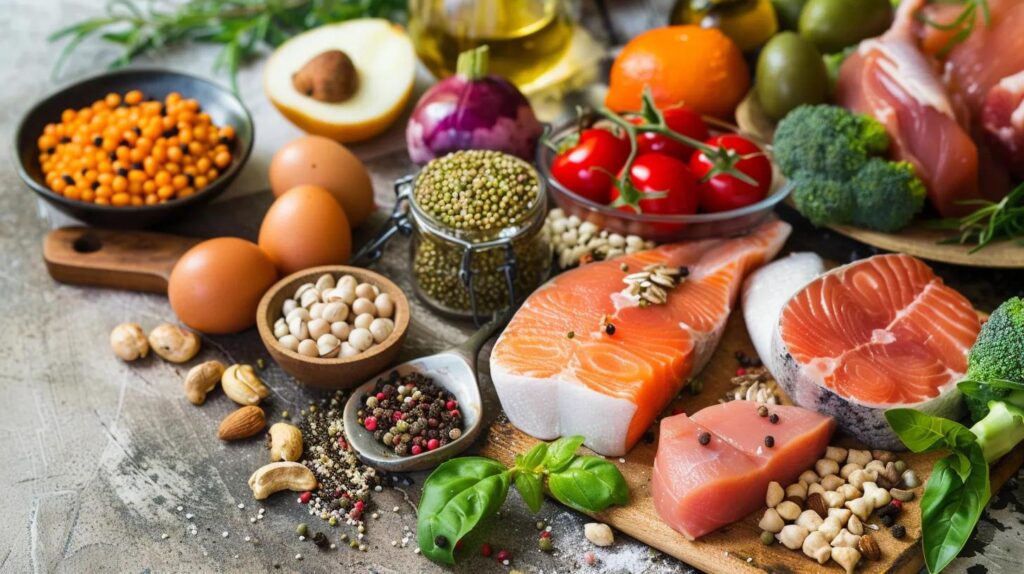
Sustainable nutrition habits significantly contribute to long-term health by reducing the risk of chronic diseases such as obesity, type 2 diabetes, and heart disease. Research indicates that diets rich in whole foods, such as fruits, vegetables, whole grains, and lean proteins, can lead to better health outcomes. nutrition coaching
Additionally, these habits support mental well-being by promoting a balanced intake of nutrients that are essential for brain health. For instance, omega-3 fatty acids found in fish and nuts are known to support cognitive function and mood. nutrition coaching.
What Is the Role of Behavior Change in Building Healthy Food Habits?
Behavior change plays a crucial role in establishing and maintaining healthy food habits. Understanding behavioral triggers, such as emotional eating or social influences, can help individuals identify patterns that hinder their progress.
Strategies for change may include setting realistic goals, tracking food intake, and developing mindfulness around eating. By focusing on gradual changes rather than drastic shifts, individuals can create a more sustainable approach to nutrition coaching that aligns with their lifestyle.
How Does Expert Nutrition Coaching Foster Lasting Results?

Expert nutrition coaching provides individuals with personalized guidance and support to develop sustainable eating habits. Coaches work with clients to create tailored nutrition plans that consider their unique needs, preferences, and goals. This approach emphasizes ongoing support rather than temporary diets, leading to more effective and lasting results.
What Makes Personalized Nutrition Coaching Effective Without Diets?
Personalized nutrition coaching is effective because it focuses on habit formation rather than restrictive diets. By emphasizing flexibility in food choices and encouraging clients to listen to their bodies, coaches help individuals develop a healthier relationship with food.
This approach allows clients to enjoy a variety of foods while still making nutritious choices. For example, instead of following a strict meal plan, clients learn to make healthier substitutions and practice portion control, which fosters long-term adherence to healthy eating.
How Does Ongoing Expert Guidance Enhance Nutrition Habit Formation?
Ongoing expert guidance enhances nutrition habit formation by providing accountability and regular check-ins. Clients benefit from continuous support, which helps them stay motivated and on track with their goals. Coaches can offer feedback, celebrate successes, and address challenges as they arise. This dynamic relationship fosters a sense of community and support, making it easier for individuals to maintain their healthy habits over time.
Which Strategies Build Healthy Food Habits for Long-Term Success?
Building healthy food habits requires practical strategies that can be easily integrated into daily life. These strategies focus on creating a supportive environment, practicing mindful eating, and seeking social support.
How Can Intuitive and Mindful Eating Promote Sustainable Nutrition?

Intuitive and mindful eating practices encourage individuals to listen to their bodies and make food choices based on hunger and satisfaction rather than external cues. This approach helps individuals develop a healthier relationship with food, reducing the likelihood of overeating or emotional eating. Mindful eating techniques, such as savoring each bite and minimizing distractions during meals, can enhance the overall eating experience and promote satisfaction.
What Lifestyle Factors Complement Nutrition for Holistic Wellness?
Several lifestyle factors complement nutrition and contribute to holistic wellness. Regular physical activity, adequate sleep, and effective stress management are essential components of a healthy lifestyle. Engaging in regular exercise not only supports physical health but also enhances mental well-being. Additionally, prioritizing sleep and managing stress can improve overall health and make it easier to maintain healthy eating habits.
How Can You Achieve Your Health Goals Through Sustainable Nutrition?
Achieving health goals through sustainable nutrition involves setting realistic objectives and tracking progress. By focusing on gradual changes and celebrating small victories, individuals can create a positive feedback loop that reinforces healthy behaviors.
What Are Effective Approaches to Sustainable Weight Loss?
Effective approaches to sustainable weight loss emphasize the importance of habit formation over quick fixes. Strategies may include incorporating more whole foods into the diet, practicing portion control, and engaging in regular physical activity. By focusing on long-term changes rather than temporary diets, individuals can achieve lasting weight loss and improved health.
How Does Personalized Nutrition Support Energy, Gut Health, and Chronic Condition Management?
Personalized nutrition plays a vital role in supporting energy levels, gut health, and the management of chronic conditions. Tailored nutrition plans can address specific health concerns, such as digestive issues or energy fluctuations. For instance, individuals with gut health issues may benefit from a diet rich in fiber and probiotics, while those managing chronic conditions may require specific nutrient adjustments. By working with a nutrition coach, individuals can develop a comprehensive plan that supports their unique health needs.
| Strategy | Mechanism | Benefit |
|---|---|---|
| Personalized Nutrition Coaching | Tailored plans based on individual needs | Improved adherence to healthy eating |
| Mindful Eating Practices | Focus on hunger and satisfaction cues | Enhanced relationship with food |
| Ongoing Support and Accountability | Regular check-ins and feedback | Increased motivation and success |
Building sustainable nutrition habits is a journey that requires commitment, support, and the right strategies. By understanding the importance of sustainable eating, the role of expert guidance, and practical approaches to habit formation, individuals can create lasting changes that promote overall health and well-being. nutrition coaching
Frequently Asked Questions
What are some common challenges people face when trying to adopt sustainable nutrition habits?
Many individuals encounter various challenges when adopting sustainable nutrition habits, including lack of knowledge about healthy food choices, difficulty in meal planning, and the temptation of convenience foods. Emotional eating and social pressures can also hinder progress.
Additionally, conflicting information about diets can create confusion, making it hard to commit to a sustainable approach. Overcoming these challenges often requires education, support, and practical strategies to create a balanced and enjoyable eating experience.
How can I incorporate sustainable eating habits into a busy lifestyle?
Incorporating sustainable eating habits into a busy lifestyle can be achieved through meal prepping, planning, and making simple, nutritious choices. Preparing meals in advance allows you to have healthy options readily available, reducing the temptation to opt for fast food.
Additionally, choosing whole foods that require minimal preparation, such as fruits, vegetables, and whole grains, can save time. Utilizing quick cooking methods, like steaming or stir-frying, can also help maintain a nutritious diet without sacrificing convenience.
What role does community support play in maintaining sustainable nutrition habits?
Community support plays a significant role in maintaining sustainable nutrition habits by providing encouragement, accountability, and shared experiences. Engaging with like-minded individuals, whether through support groups, online forums, or social media, can foster motivation and inspire healthy choices.
Sharing recipes, tips, and challenges can create a sense of belonging and make the journey more enjoyable. Additionally, having a support system can help individuals stay committed to their goals, especially during difficult times.
How can I measure the success of my sustainable nutrition habits?
Measuring the success of sustainable nutrition habits can be done through various methods, including tracking food intake, monitoring energy levels, and assessing overall well-being. Keeping a food journal can help identify patterns and areas for improvement.
Additionally, paying attention to physical changes, such as weight management, improved digestion, and enhanced mood, can indicate progress. Setting specific, achievable goals and regularly reviewing them can also provide insight into the effectiveness of your sustainable nutrition efforts.
Are there specific foods that are considered essential for sustainable nutrition?
Yes, certain foods are considered essential for sustainable nutrition, including whole grains, fruits, vegetables, lean proteins, and healthy fats. Whole grains like quinoa and brown rice provide fiber and nutrients, while a variety of colorful fruits and vegetables offer vitamins and antioxidants.
Lean proteins, such as fish, poultry, and legumes, support muscle health, and healthy fats from sources like avocados and nuts are crucial for brain function. Incorporating these foods into your diet can promote health and sustainability.
What is the impact of sustainable nutrition on mental health?
Sustainable nutrition has a positive impact on mental health by providing essential nutrients that support brain function and emotional well-being. Diets rich in omega-3 fatty acids, antioxidants, and vitamins can help reduce symptoms of anxiety and depression. Sustainable nutrition
Additionally, adopting mindful eating practices can enhance the relationship with food, leading to improved mood and reduced stress. By focusing on whole, nutrient-dense foods, individuals can foster a healthier mindset and better manage emotional challenges.
Conclusion
Building sustainable nutrition habits not only enhances individual health but also contributes positively to the environment. By prioritizing whole foods and personalized coaching, individuals can achieve lasting wellness without the constraints of restrictive diets. Embracing these practices fosters a healthier relationship with food and supports long-term health goals. Start your journey towards sustainable nutrition today by exploring our expert coaching options.