Planks, bridges, and bird-dogs form the foundation of essential core stability training, engaging abdominal, back, and pelvic muscles simultaneously. These exercises strengthen the trunk, protect the spine, and sharpen balance and posture. Forge Personal Training in West Windsor, NJ, builds programs around these science-backed movements to help clients train safely and progress without extreme routines.
What Do You Need Before Starting Core Training?
Little equipment stands between beginners and a solid core routine. A carpeted floor or mat covers most abdominal exercises, so a gym membership isn’t required to begin. Building genuine core strength takes three things: space, time, and correct coaching.
Follow this order before the first workout:
Clear enough floor space for lying, planking, and rotating movements.
Block off a full 60-minute window — enough time to warm up, run a complete stability training circuit, and cool down properly.
Locate certified trainers who can set up each exercise with correct form from session one, since faulty positioning undermines results and raises injury risk.
Can core training happen at home?
Yes. Core work at home requires only floor space. Consistency, making it one of the most accessible paths toward a strong core.
Does location matter for coaching support?
In-person guidance in West Windsor, New Jersey, gives area residents direct access to certified coaching and back pain prevention strategies.
How Do You Perform Core Stability Exercises?
Proper technique determines whether core strength training builds real function or wastes effort. Bridges, crunches, and planks form the foundation of most abdominal exercises, engaging the muscle groups that support the trunk and improve daily mobility. Effective stability training targets more than the abdominals. The core also includes muscles along the spine and around the pelvis. A well-rounded routine addresses all three regions together.
A strong core develops through consistent, controlled practice rather than random effort. Follow this sequence for each session:
Choose two or three foundational movements, such as a bridge, a crunch, and a plank variation.
Set up on a stable surface with enough space to move freely.
Perform one set of 12 to 15 controlled repetitions per exercise.
Move slowly and deliberately, avoiding momentum so the core muscles stay engaged throughout each repetition.
Rest briefly between exercises, then repeat the circuit as strength allows.
Note any discomfort and adjust range of motion before continuing.
What if an exercise feels too hard or causes pain?
Discomfort during a core movement signals the need for modification, not forced repetition. A trained coach can adjust the exercise, swap in an alternative, or scale the range of motion on the spot, keeping the session both safe and productive.
How does core stability support back pain prevention?
Stability training reinforces the muscles that protect the spine during everyday tasks like lifting or bending. Consistent, controlled core work reduces strain on the lower back, supporting back pain prevention over time and improving posture, balance, and overall movement quality. Progress comes from repetition done correctly, not from adding difficulty before the fundamentals feel controlled.
What Mistakes Should You Avoid For Stability?
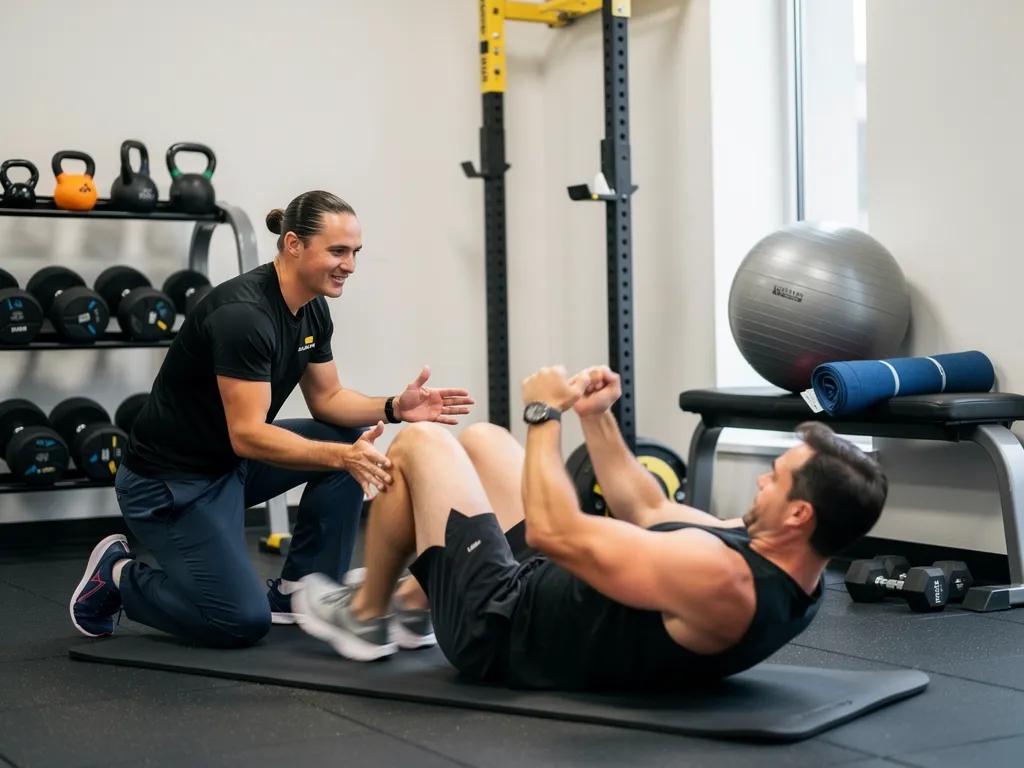
Rushing through movements without control ranks as the top mistake in stability training. Momentum replaces muscle engagement, and the deep muscles meant to support the spine never get activated. Poor breathing patterns and skipping professional guidance after an injury cause similar setbacks.
Is it safe to do core exercises with an existing back issue?
Anyone managing back problems, osteoporosis, or another health condition should consult a health care professional before attempting abdominal exercises. Skipping this step risks turning a minor imbalance into a lasting injury.
What should someone do if discomfort continues during training?
Persistent discomfort during core work calls for a professional assessment rather than pushing through pain. Forge Personal Training, based in West Windsor Township, NJ, offers hands-on coaching to correct form issues before they escalate. Common errors coaches catch include:
Arching the lower back during planks or bridges
Holding the breath instead of exhaling under tension
Overtraining without addressing a strong core foundation first
Key Takeaways
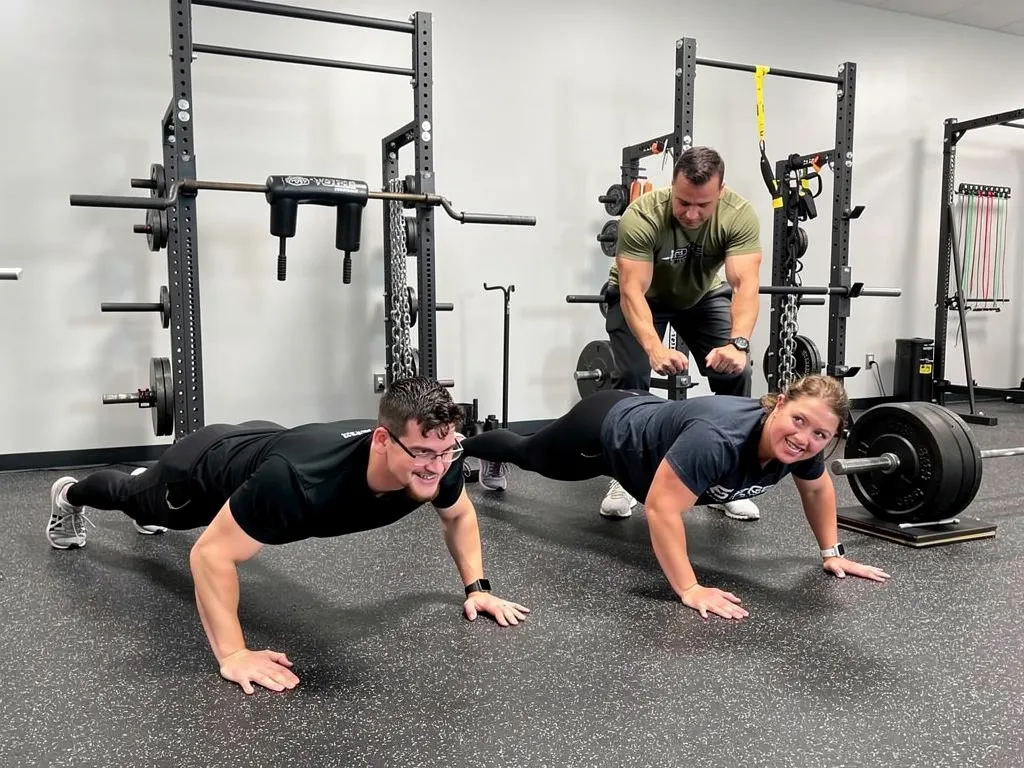
Planks, bridges, and crunches engage core muscles to improve spinal stability and reduce back pain.
Strong core muscles support 60-minute training sessions and everyday activities like grocery shopping and balance.
Core-strength exercises strengthen abdominal, back, and pelvic muscles for enhanced movement patterns and posture.
Our certified trainers in West Windsor design core programs for clients throughout New Jersey communities.
FAQ
What equipment do you need to start core training?
A carpeted floor or mat covers most abdominal exercises, so a gym membership isn’t required. Building real core strength takes space, time, and correct coaching from certified trainers.
Can core stability exercises be done at home?
Yes, core work at home requires only floor space and consistency. This makes it one of the most accessible paths toward building a strong, stable core.
What should you do if a core exercise causes pain?
Discomfort signals the need for modification, not forced repetition. Certified trainers at Forge Personal Training adjust the exercise, swap in an alternative, or scale the range of motion to keep training safe.
Conclusion
In closing, core strength training represents a foundational investment in your long-term stability, functional capacity, and injury prevention. The exercises outlined—grounded in biomechanical principles and evidence-based practice—address the deep stabilizer muscles that support your spine. Enhance movement quality across all physical activities. Consistency with these evidence-backed techniques yields measurable improvements in posture, balance, and overall performance. Whether you pursue this training independently or with professional guidance, prioritizing core development establishes the stability foundation necessary for sustainable fitness progress and enhanced quality of life.