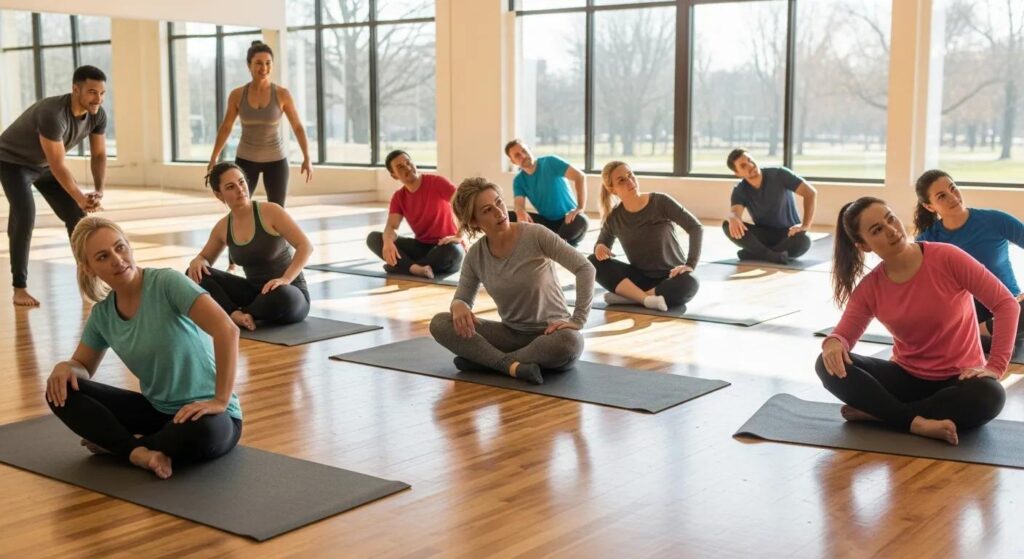
Getting started with fitness can feel overwhelming, but West Windsor, NJ offers approachable class options and coaching that make the first month manageable and sustainable. This guide defines who counts as a beginner, explains why certain class types suit new exercisers, and maps practical next steps so you can pick and attend classes with confidence. You’ll learn the beginner-friendly class types available locally, how personal training and nutrition coaching support early progress, a concise decision checklist for choosing a class, and real-world beginner experiences that highlight community and consistency. Each section includes actionable tips, brief comparison tables, and sample checklists so you can sign up for an introductory session or trial class knowing what to expect. Throughout, terms like group fitness, personal training, Pilates, and beginner HIIT are used with clear examples to help you match a class to goals such as weight loss, mobility, or stress reduction.
What Are the Top Beginner-Friendly Workout Classes Available in West Windsor NJ?
Beginner-friendly workout classes are low-to-moderate intensity exercise formats that prioritize movement quality, progressions, and clear instructor cues to reduce injury risk and build confidence. These classes work by breaking complex movements into scalable steps, offering warm-ups and cool-downs, and providing verbal or hands-on modifications to match each participant’s capacity. The result for beginners is improved mobility, gradual strength gains, and better exercise adherence through routine and community support. Below is a compact comparison to help you quickly gauge fit-for-purpose recommendations before trying a class yourself.
| Class Type | Typical Format & Intensity | Best For (Beginner Goals) |
|---|---|---|
| Yoga | Guided flows or slow sessions; low-to-moderate intensity | Mobility, stress reduction, posture |
| Pilates | Mat or reformer-based; low-impact strength focus | Core strength, alignment, balance |
| Barre | Small choreography + isometric holds; low-impact | Muscular endurance, posture, small-muscle toning |
| HIIT (Beginner) | Short intervals with longer rests; scalable intensity | Cardio fitness, weight loss, time-efficient training |
| Strength Foundations | Machine or bodyweight-led circuits; progressive load | Foundational strength, bone health, functional movement |
This table clarifies core differences so you can select an introductory class aligned with your primary goal. Understanding class mechanics leads directly into what to expect in group settings and modality-specific beginner options.
Which Group Fitness Classes Are Best for New Members in West Windsor?
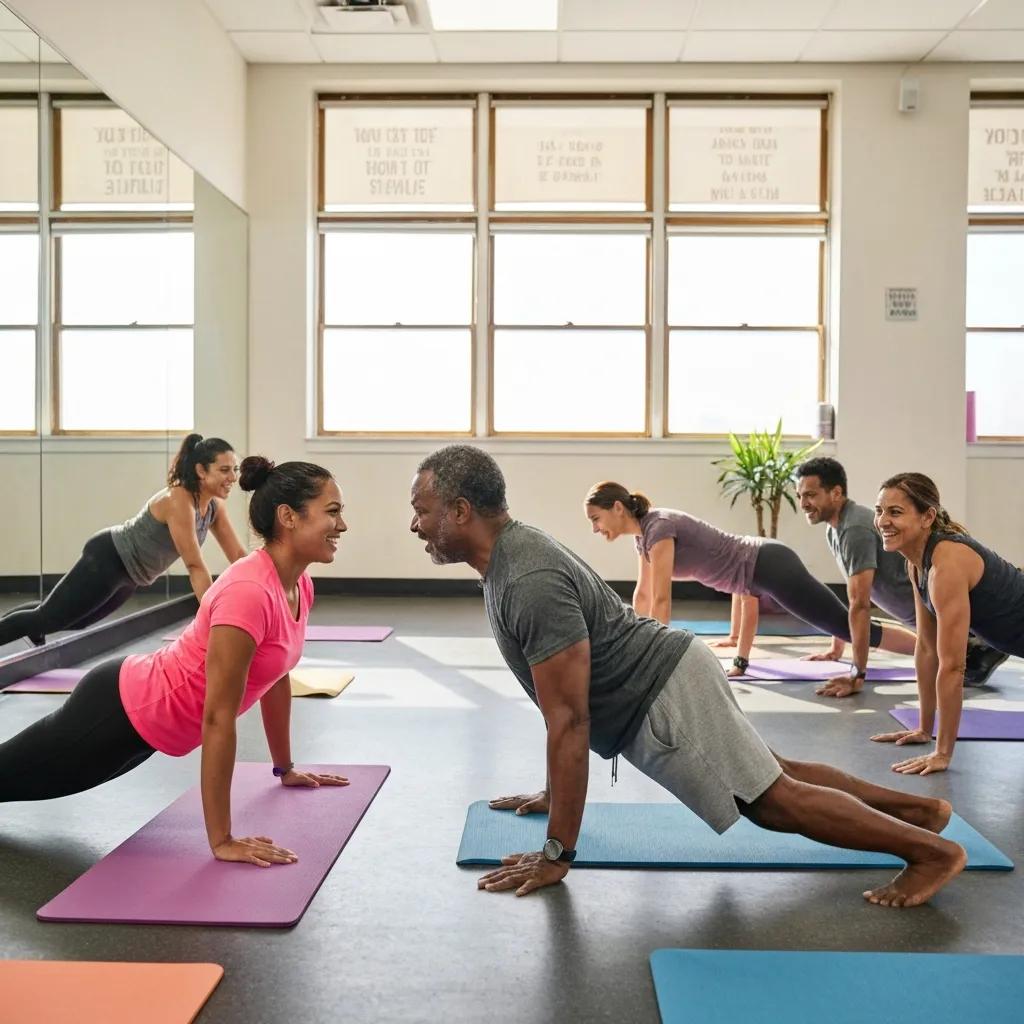
Group fitness for beginners typically follows a structured format: a focused warm-up, guided work intervals or circuits with scaling options, and a calm cool-down that includes mobility and breathing. Instructors cue progressions and regressions—semantic relation: Instructor → provides → modifications—which lets new members perform safe versions of common movements. As a result, beginners gain cardiovascular conditioning and basic movement competency without being pushed into high-risk intensity too soon. Expect classes to emphasize clear timing, predictable sets, and community encouragement, which together support adherence and make returning easier.
Group classes commonly follow this simple structure:
- A short warm-up that targets the body areas used in the main set.
- Main intervals or circuits with built-in rest and modification options.
- A cooldown with mobility work and breathing cues to aid recovery.
These structural features prepare you for your first week of training and naturally lead into modality-specific beginner choices such as gentle yoga or beginner training.
What Beginner Yoga, Pilates, and Barre Classes Are Offered Locally?
Low-impact modalities like beginner yoga, Pilates, and barre teach alignment, breathing, and controlled strength in classroom formats that welcome novices. Yoga classes labeled “Beginner,” “Slow Flow,” or “Foundations” focus on joint-friendly movement and breath-to-movement sequencing; Pilates beginners classes emphasize core activation through progressive exercises; barre basics break down isometric holds and small-range strength work. Each modality uses instructor-led cues and modifications—Yoga → improves → flexibility, Pilates → builds → core stability—which helps beginners develop body awareness while minimizing soreness and risk. Look for class descriptions that include words like “foundations,” “intro,” or beginner to ensure the session offers modifications and a patient teaching pace.
These modality choices form the building blocks of a sustainable starter routine and transition naturally into options for individualized coaching when you want more targeted progression.
Top Beginner-Friendly Workout Classes in West Windsor, NJ: Your Guide
One-on-one personal training, small-group training, and nutrition coaching provide layered support for beginners: trainers and coaches assess movement, prescribe progressive plans, and offer accountability that speeds safe adaptation to exercise. Personal training supplies individualized programming and hands-on technique coaching, small-group formats add community while retaining coach oversight, and nutrition coaching aligns eating patterns with training load for recovery and results. Together these services form a practical pathway for new exercisers to move from class-based familiarity to measurable progress through assessments, short-term plans, and follow-up checkpoints.
| Service Type | What It Provides | Typical First-Step Offer |
|---|---|---|
| One-on-one personal training | Individual assessment, form coaching, tailored program | Initial consultation and movement screen |
| Small-group training | Shared sessions with individualized scaling and peer support | Trial session or introductory package |
| Nutrition coaching | Habit-based guidance, meal structure, recovery-focused advice | 30–60 minute discovery consult |
How Does Personal Training Support Beginners in West Windsor?
Personal trainers guide beginners through a structured onboarding: initial assessments, movement screens, and a simple, progressive program that balances strength, mobility, and cardiovascular work. Trainers translate broad goals (e.g., weight loss, mobility) into measurable weekly actions, monitor form to reduce injury risk, and adjust loads as competency improves—Personal Training → produces → progressive overload safely. For credential signals, look for trainers who reference recognized standards from organizations like NASM or ACSM as a general marker of evidence-based practice.
Suggested early frequency is 1–3 sessions per week with a 6–12 week plan to build habit and measurable improvement.
This individualized support helps beginners transition from attending classes to confidently performing independent workouts and prepares them for longer-term training goals.
What Nutrition Coaching Services Help New Exercisers in West Windsor?

Nutrition coaching for beginners typically emphasizes habit-based changes, simple meal templates, and syncing intake with training and recovery rather than strict diets. Coaches commonly offer starting options like an initial assessment, basic meal planning, and habit goals (e.g., protein at each meal, consistent hydration) that complement workout frequency and intensity. Responsible nutrition coaching emphasizes realistic timelines and measurable behaviors rather than rapid fixes—Nutrition Coaching → supports → recovery and consistency—which helps new exercisers maintain energy and adapt to increased activity. Verify coach qualifications and favor evidence-based approaches that focus on sustainable adjustments over dramatic claims.
Practical first steps often include a brief consult and a two- to four-week habit plan that ties directly to your class schedule and training load.
After this section, brief local options for personal training and nutrition support include:
- Forge Personal Training — noted for one-on-one and small-group training formats that emphasize individualized coaching and progression.
- Ludus Performance LLC — focuses on small-group and performance-oriented sessions suitable for structured beginner plans.
- STAR Fitness — offers general group and training options that beginners can use to access trial sessions and trainer consultations.
These local examples are neutral references to studios and training providers in West Windsor, presented so you can consider in-person options when booking an introductory session. Knowing available formats leads naturally into how to choose the right class.
How Do You Choose the Right Beginner Workout Class in West Windsor NJ?
Choosing the right beginner class means matching the class type to your primary goal, confirming instructor approach and modification availability, and testing the environment with a trial offer. Key decision criteria include goals, instructor expertise, class size, and onboarding practices; ask about beginner orientation, movement progressions, and safety protocols before you commit.
Evaluate whether the class cadence—frequency and duration—fits your schedule and whether the atmosphere feels welcoming, as social comfort strongly predicts adherence. Using a short trial or drop-in session gives you immediate feedback on fit and should be part of your selection process.
Consider this quick checklist when selecting a class:
- Goal alignment: Choose a class whose primary focus matches your goal, such as strength, flexibility, or cardio.
- Instructor approach: Confirm that instructors demonstrate modifications and cue technique clearly.
- Class size and attention: Prefer smaller classes or formats that promise individual feedback for faster skill building.
- Trial and onboarding: Use a first-class trial or introductory package to evaluate fit before committing.
Running through this checklist and trying a brief trial session leads into specific instructor qualities and trial formats to ask about.
What Should Beginners Look for in Instructors and Class Atmosphere?
Supportive instructors use clear verbal cues, demonstrate movements, offer hands-on corrections when appropriate, and present progressions and regressions to accommodate varying ability levels. Look for communication patterns that prioritize safety and improvement—Instructor → demonstrates → modifications—and for an atmosphere that uses inclusive language and encourages questions.
Class culture matters: a welcoming environment with consistent encouragement increases the odds you’ll return. Before your first class, ask about how instructors handle injuries, how many people are in a typical session, and whether new members receive an orientation.
These attributes determine how comfortable and effective your earliest classes will be and naturally point to trial and modification options you should expect.
Are There Trial Offers or Modifications for New Fitness Participants?
Many providers offer trial classes, introductory packages, or a consult to assess baseline fitness and recommend appropriate classes; these trials let beginners experience pacing, instructor style, and class size without a long-term commitment. Common modification examples include knee push-ups, reduced range of motion, lighter loads, or split intervals to accommodate aerobic capacity.
Communicate any concerns or injuries to the instructor before class to receive suitable regressions that keep you safe and progressing. Choosing a trial format that includes a short onboarding or coach check-in gives the best starter experience and reduces uncertainty about next steps.
Trial offers and accessible modifications make it easier to begin consistently and to transition from trial to routine attendance.
What Do Beginners Say About Their Fitness Experiences in West Windsor NJ?
Beginners commonly report early wins in consistency, mobility, and confidence when they choose appropriate class types and use available modifications and trials. Typical progress snapshots emphasize small, measurable changes—longer holds in Pilates, reduced breathlessness in beginner HIIT, or increased range in yoga—rather than dramatic outcomes, reinforcing sustainable habit formation. Community and instructor support emerge as the central factors that help novices stick with a program, where accountability and welcoming class culture drive attendance. These beginner perspectives underscore the value of starting with modest goals and reliable classes that offer clear progressions.
Which Success Stories Highlight Beginner Progress at Local Studios?
Short, anonymized snapshots often show a pattern: someone begins with mobility-focused classes, gains confidence through consistent attendance, then adds strength-focused sessions to accelerate progress. Another common story involves a beginner attending small-group training, where individualized scaling and peer support reduce intimidation and increase consistency.
These pragmatic narratives highlight that incremental improvements—such as better posture or more energy—are achievable within weeks when paired with supportive instruction and simple habit changes.
These success snapshots illustrate that the most sustainable progress combines suitable class selection, modest goals, and regular attendance.
How Do Community and Support Impact New Members’ Fitness Journeys?
Community elements—regular peers, instructor check-ins, and small accountability systems—significantly improve adherence by creating social reinforcement and shared milestones. Research and industry trends indicate group support increases consistency, and practically this looks like attending the same class time, pairing with a workout buddy, or joining introductory series geared to beginners. Tapping into these structures helps new members overcome initial barriers and convert sporadic attendance into a weekly routine. Prioritizing classes with visible onboarding and community-building practices is a simple way to increase the likelihood of long-term success.
Frequently Asked Questions
What should beginners wear to fitness classes?
Beginners should wear comfortable, breathable clothing that allows for a full range of motion. Opt for moisture-wicking fabrics to help keep you dry during workouts. Footwear is also crucial; choose supportive athletic shoes that fit well and are appropriate for the class type, such as cross-trainers for group fitness or specialized shoes for yoga or Pilates. Avoid overly loose clothing that may get caught during exercises, and consider layering if the studio temperature varies. Proper attire enhances comfort and performance, making your fitness experience more enjoyable. Blog
How often should beginners attend fitness classes?
For beginners, attending fitness classes 2 to 3 times a week is generally recommended to build a consistent routine without overwhelming the body. This frequency allows for adequate recovery time between sessions, which is essential for muscle adaptation and injury prevention. As you become more comfortable and your fitness level improves, you can gradually increase the frequency or intensity of your workouts. Listening to your body and adjusting your schedule based on how you feel is key to maintaining motivation and long-term success in your fitness journey.
Are there age restrictions for beginner fitness classes?
Most beginner fitness classes are designed to be inclusive and cater to a wide range of ages. However, specific age restrictions may apply depending on the class type or facility policies. Many studios offer classes specifically tailored for seniors or youth, ensuring that the exercises are appropriate for their fitness levels and physical capabilities. It’s always best to check with the studio or instructor beforehand to confirm any age-related guidelines and to find the most suitable class for your age group and fitness goals.
Can beginners participate in high-intensity classes?
While high-intensity classes can be challenging, many studios offer beginner-friendly versions of these workouts, such as beginner HIIT. These classes typically include modified exercises and longer rest periods to accommodate new exercisers. If you’re considering a high-intensity class, it’s essential to communicate your beginner status to the instructor, who can provide modifications and ensure you’re performing exercises safely. Starting with lower-intensity options and gradually progressing to higher intensity as your fitness improves is a smart approach to avoid injury and build confidence.
What should beginners do if they feel overwhelmed in a class?
If you feel overwhelmed during a class, it’s important to remember that it’s perfectly normal, especially as a beginner. Take a moment to breathe and assess your comfort level. If needed, you can modify exercises or take a break. Communicate with the instructor before or during class about your concerns; they can offer modifications or alternative exercises. Additionally, consider attending a few trial classes to find a pace and environment that feels right for you. Remember, everyone progresses at their own pace, and it’s okay to take things slow.
How can beginners track their progress in fitness classes?
Tracking progress as a beginner can be motivating and help you stay committed to your fitness journey. Start by setting specific, measurable goals, such as attending a certain number of classes per week or improving your performance in specific exercises. Keep a journal or use fitness apps to log your workouts, noting any improvements in strength, endurance, or flexibility. Regularly reassess your goals and celebrate small victories, such as completing a challenging class or mastering a new skill. This approach not only tracks progress but also reinforces your commitment to fitness.
Conclusion
Starting your fitness journey in West Windsor, NJ, is made easier with accessible class options and supportive coaching tailored for beginners. By understanding the variety of beginner-friendly classes and the benefits of personal training and nutrition coaching, you can build a sustainable routine that aligns with your goals. Embrace the community and resources available to you, and take the first step by signing up for a trial class today. Your path to improved health and confidence begins with a single decision—make it now!