Effective small group training workouts cater to individuals at all fitness levels, providing a supportive environment that fosters motivation and accountability. This article explores the benefits of high-intensity interval training (HIIT), functional fitness workouts, and beginner-friendly routines, offering insights into how these training modalities can enhance overall fitness. Many people struggle to find effective workout programs that suit their unique needs and goals.
Small group training offers a solution by combining expert coaching with community support, making it easier to stay committed to fitness journeys. We will delve into the advantages of HIIT group classes, the best functional fitness workouts, and how to start beginner group workouts, ensuring a comprehensive understanding of effective training strategies.
What Are the Benefits of HIIT Group Classes in Small Group Training?
HIIT group classes are designed to maximize workout efficiency by alternating between intense bursts of activity and short recovery periods. This training method significantly improves cardiovascular fitness and promotes weight loss through increased calorie burn. Participants often find that the structured nature of HIIT classes enhances their overall workout experience, making it both challenging and enjoyable. The community aspect of small group training further amplifies these benefits, as individuals are motivated by their peers to push through tough workouts.
How Does HIIT Improve Cardiovascular Fitness and Weight Loss?
HIIT improves cardiovascular fitness by elevating heart rates during intense intervals, which enhances the heart’s efficiency over time. This method also promotes weight loss by increasing the number of calories burned during and after workouts, thanks to the afterburn effect known as excess post-exercise oxygen consumption (EPOC). Research indicates that participants can burn more calories in a shorter amount of time compared to traditional steady-state cardio workouts, making HIIT an effective choice for those looking to shed pounds.
Further research delves into how recovery periods during HIIT can influence post-exercise metabolism and fat oxidation.
HIIT Recovery & Post-Exercise Metabolism
The recovery manipulation during high-intensity interval training (HIIT) may have the potential to modulate the responses of post-exercise energy metabolism. The purpose of this study was to investigate how the type (i.e., passive and active) and duration (i.e., short and long) of the recovery between the intervals in HIIT affect the excess post-exercise oxygen consumption (EPOC) and oxidation of fats and carbohydrates during the post-exercise recovery.
Excess post-exercise oxygen consumption and substrate oxidation following high-intensity interval training: Effects of recovery manipulation, 2021
Why Choose HIIT Group Classes for Motivation and Accountability?
Choosing HIIT group classes fosters motivation and accountability through the power of community support. Participants often find that working out alongside others encourages them to push their limits and stay committed to their fitness goals. The group dynamic creates a sense of camaraderie, where individuals cheer each other on and celebrate achievements together. This supportive environment can lead to improved adherence to workout routines and better overall results.
Studies also explore how involving participants in the design of HIIT workouts can further boost motivation, enjoyment, and self-efficacy.
Co-Designed HIIT Workouts: Motivation & Health Outcomes
High-intensity interval training (HIIT) is an effective strategy for improving a variety of health outcomes within the school setting. However, there is limited research on the implementation of school-based HIIT interventions and the integration of HIIT within the Health and Physical Education (HPE) curriculum. The aims of theMaking a HIITstudy are to: 1) describe the methodology and evaluate the feasibility of co-designing HIIT workouts with students and teachers in HPE; 2) determine the effect of co-designed HIIT workouts on cardiorespiratory and muscular fitness, and executive function; 3) understand the effect of co-design on students’ motivation, enjoyment, and self-efficacy towards the workouts; and 4) evaluate the implementation of the intervention.
Making a HIIT: study protocol for assessing the feasibility and effects of co-designing high-intensity interval training workouts with students and teachers, SL Duncombe, 2022
Which Functional Fitness Workouts Are Best for Small Group Training?
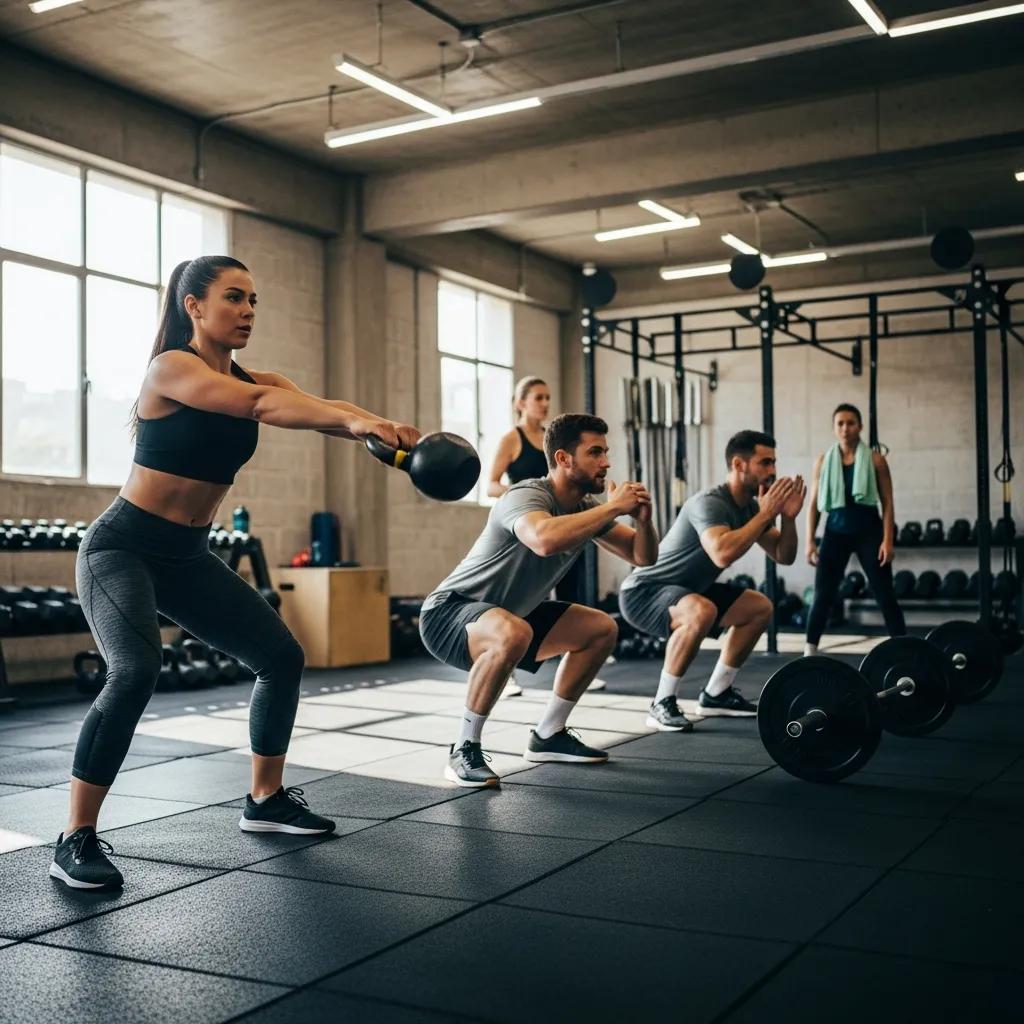
Functional fitness workouts focus on exercises that mimic everyday movements, enhancing overall strength and mobility. These workouts are particularly effective in small group settings, as they allow participants to engage in exercises that target multiple muscle groups simultaneously. This approach not only improves physical performance but also reduces the risk of injury in daily activities.
What Functional Exercises Target Multiple Muscle Groups Effectively?
Some of the most effective functional exercises for small group training include squats, lunges, and kettlebell swings. These movements engage various muscle groups, promoting overall strength and coordination. For instance, squats work the legs, core, and lower back, while kettlebell swings enhance power and endurance. Incorporating these exercises into group workouts can lead to significant improvements in functional strength and fitness.
How Do Functional Fitness Workouts Enhance Daily Movement and Strength?
Functional fitness workouts enhance daily movement and strength by training the body to perform everyday tasks more efficiently. By focusing on compound movements that engage multiple muscle groups, participants develop the strength and stability needed for activities such as lifting, bending, and reaching. This training approach not only improves physical performance but also aids in injury prevention, making it a valuable addition to any fitness regimen.
How to Start Beginner Group Workouts: Simple Group Exercise Routines for All Levels
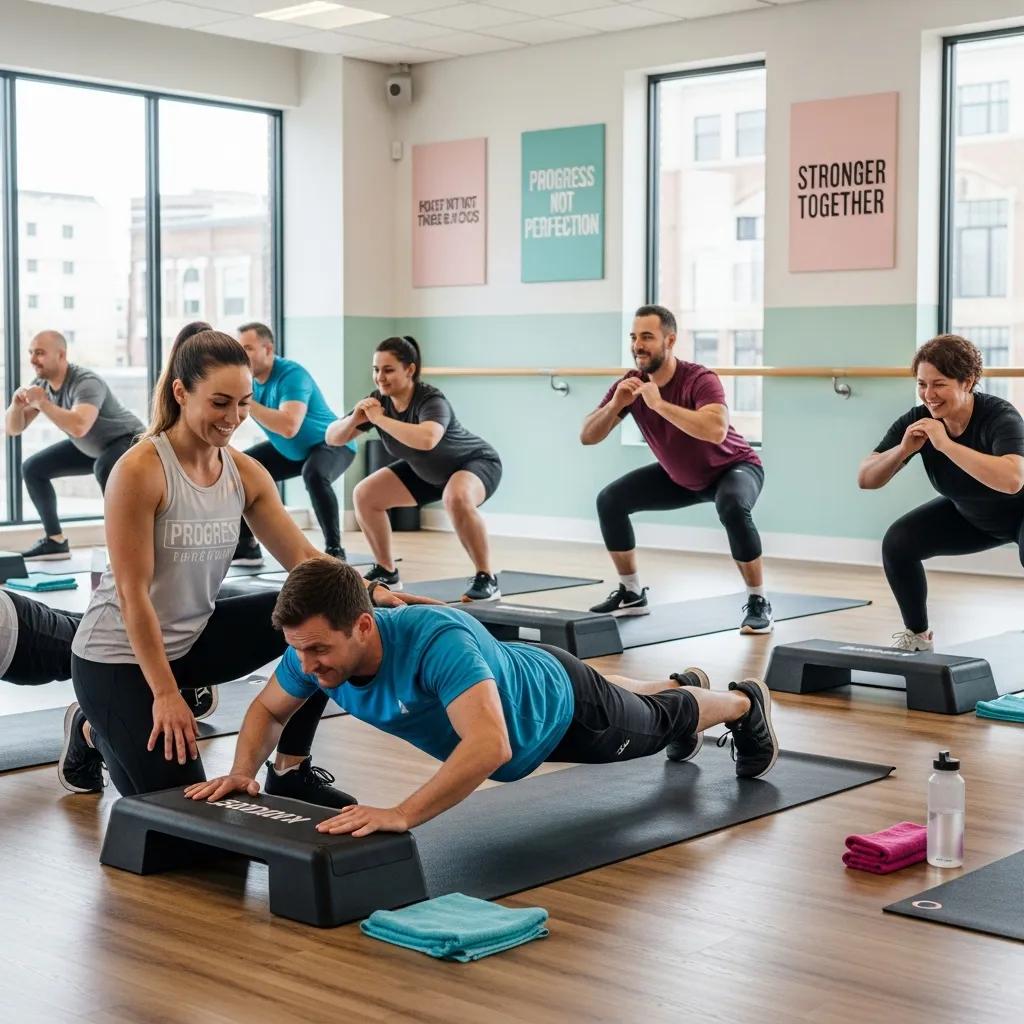
Starting beginner group workouts can be an exciting yet daunting experience for many individuals. It is essential to provide safe and effective routines that accommodate various fitness levels while fostering a welcoming environment. Small group training allows beginners to learn proper techniques and build confidence as they progress. small group workout classes
What Are Safe and Effective Group Workout Routines for Beginners?
Safe and effective group workout routines for beginners should include low-impact exercises that focus on form and technique. Examples include bodyweight squats, modified push-ups, and resistance band exercises. These movements help participants build a solid foundation while minimizing the risk of injury. Additionally, incorporating a variety of exercises keeps workouts engaging and enjoyable.
How Can Small Group Fitness Training Support Lifestyle Changes?
Small group fitness training can support lifestyle changes by providing a tailored approach to fitness that accommodates individual goals and needs. It allows participants to work closely with trainers who have appropriate certifications and experience, ensuring they receive guidance that is relevant to their specific situations. Additionally, small group settings foster a sense of community and accountability, which can motivate individuals to stick to their fitness plans and make sustainable lifestyle changes. Trainers can also create realistic action plans that help maintain results over the long term, addressing obstacles and adapting to participants’ busy lives.
Starting Your Small Group Training Journey (40 characters)
Client success stories reveal that small group fitness training can effectively help individuals achieve their health and fitness goals by providing a tailored approach, accountability, and support from both trainers and peers. These stories often highlight the importance of working with trainers who have relevant certifications, experience, and a well-structured action plan that accommodates individual needs and anticipates potential challenges. Overall, they demonstrate that personalized guidance in a supportive group environment can lead to sustainable results and long-term transformations.
Indeed, broader studies confirm the significant health improvements achievable through well-structured small group fitness programs.
Effective Small Group Fitness Programs for Health Improvement
The aim of this study is to develop a practicable worksite physical fitness program for small and medium-sized enterprises (SMEs). Community-based intervention consisting of a three-month exercise course was conducted, and its benefits evaluated. A self-administrated structured questionnaire and physical fitness examination were designed to compare the difference between pre and post intervention. A total of 133 SME workers completed the lifestyle/exercise course and filled out the questionnaire, but 16 were excluded from the exercise group due to health reasons. After the intervention, health indicators such as weight, blood pressure, resting heart rate, waistline, BMI, front and back trunk flexibility, abdominal muscle durability and back muscle strength were significantly improved, and improvements in musculoskeletal disorders were seen in reduced neck pain (18.8%), wrist pain (17.4%), and upper/lower back pain (8.7% and 21.7%, respectively).
An effective physical fitness program for small and medium-sized enterprises, 2001
How Have Clients Achieved Weight Loss and Fitness Goals Through Group Workouts?
Clients have achieved weight loss and fitness goals through group workouts by working closely with personal trainers who help them reduce body fat, gain strength, and build lean muscle. The trainers create tailored action plans that are realistic for clients’ lifestyles, ensuring that they not only reach their goals but also maintain them long-term. Group workouts provide a supportive environment that can enhance motivation and accountability, making it easier for clients to apply healthy habits in their busy lives.
Why Are Testimonials Important for Choosing Small Group Training Programs?
Testimonials are important for choosing small group training programs because they provide evidence of a trainer’s ability to help clients achieve their goals. By reading reviews and testimonials, potential clients can gauge the trainer’s effectiveness and see how they have successfully addressed similar challenges faced by others. This helps ensure that the trainer can solve the specific problems a new client may have, based on past experiences with other clients.
| Training Type | Key Benefits | Ideal For |
|---|---|---|
| HIIT | Improves cardiovascular fitness, enhances weight loss, fosters motivation | Individuals seeking efficient workouts |
| Functional Fitness | Targets multiple muscle groups, enhances daily movement, reduces injury risk | Those looking to improve overall strength |
| Beginner Workouts | Safe, effective routines, builds confidence, supports lifestyle changes | Newcomers to fitness or those returning after a break |
The table above summarizes the key benefits of different training types, helping individuals choose the best option for their fitness journey.
Small group training offers a unique blend of community support and expert guidance, making it an effective choice for individuals at all fitness levels. By understanding the benefits of HIIT, functional fitness, and beginner workouts, participants can make informed decisions about their training and achieve their health and fitness goals.
Frequently Asked Questions
What should I wear to a small group training session?
When attending a small group training session, it’s important to wear comfortable, moisture-wicking clothing that allows for a full range of motion. Opt for supportive athletic shoes that provide stability and cushioning, especially if the workout includes high-impact exercises. Additionally, consider layering your outfit, as you may warm up quickly during the session. Don’t forget to bring a water bottle to stay hydrated and a towel for comfort during your workout.
How often should I participate in small group training?
The frequency of participation in small group training can vary based on individual fitness goals and schedules. Generally, attending 2 to 4 sessions per week is recommended for optimal results. This allows for consistent progress while providing adequate recovery time between workouts. It’s essential to listen to your body and adjust the frequency based on how you feel, ensuring you maintain a balance between challenge and recovery to prevent burnout or injury.
Can small group training accommodate different fitness levels?
Yes, small group training is designed to accommodate various fitness levels. Trainers typically tailor workouts to meet the needs of all participants, offering modifications for beginners and advanced options for more experienced individuals. This inclusive approach ensures that everyone can participate and benefit from the session, regardless of their starting point. Communicating your fitness level and any specific needs to the trainer can help them provide the best experience for you.
What types of equipment are commonly used in small group training?
Small group training often utilizes a variety of equipment to enhance workouts and keep sessions engaging. Commonly used items include resistance bands, dumbbells, kettlebells, medicine balls, and stability balls. Additionally, bodyweight exercises are frequently incorporated, allowing participants to build strength without equipment. The use of diverse tools helps target different muscle groups and keeps workouts dynamic, catering to various fitness levels and preferences.
How can I track my progress in small group training?
Tracking progress in small group training can be achieved through various methods. Many trainers provide assessments at regular intervals, measuring improvements in strength, endurance, and flexibility. Additionally, participants can keep a workout journal to log exercises, weights used, and personal achievements. Utilizing fitness apps or wearable devices can also help monitor metrics such as heart rate and calories burned, providing a comprehensive view of your fitness journey and motivating you to stay on track.
Are there any dietary recommendations to complement small group training?
To complement small group training, a balanced diet rich in whole foods is recommended. Focus on consuming lean proteins, whole grains, healthy fats, and plenty of fruits and vegetables to support energy levels and recovery. Staying hydrated is crucial, especially before and after workouts. Additionally, consider timing your meals around training sessions; eating a light snack with carbohydrates and protein about 30 minutes before exercising can enhance performance and recovery.
What should I do if I feel overwhelmed during a workout?
If you feel overwhelmed during a workout, it’s important to listen to your body. Take a moment to pause, breathe deeply, and assess how you’re feeling. If necessary, communicate with your trainer about your discomfort; they can provide modifications or alternative exercises to help you manage the intensity. Remember, it’s perfectly okay to take breaks or adjust your pace. The goal is to challenge yourself while ensuring your safety and well-being throughout the training session.
Conclusion
Small group training workouts provide a unique blend of community support and expert guidance, making them suitable for individuals at all fitness levels. By exploring the benefits of HIIT, functional fitness, and beginner-friendly routines, participants can make informed choices that align with their health and fitness goals. Embrace the motivation and accountability that comes from training with others and take the first step towards a healthier lifestyle. Discover our range of small group training options today!