
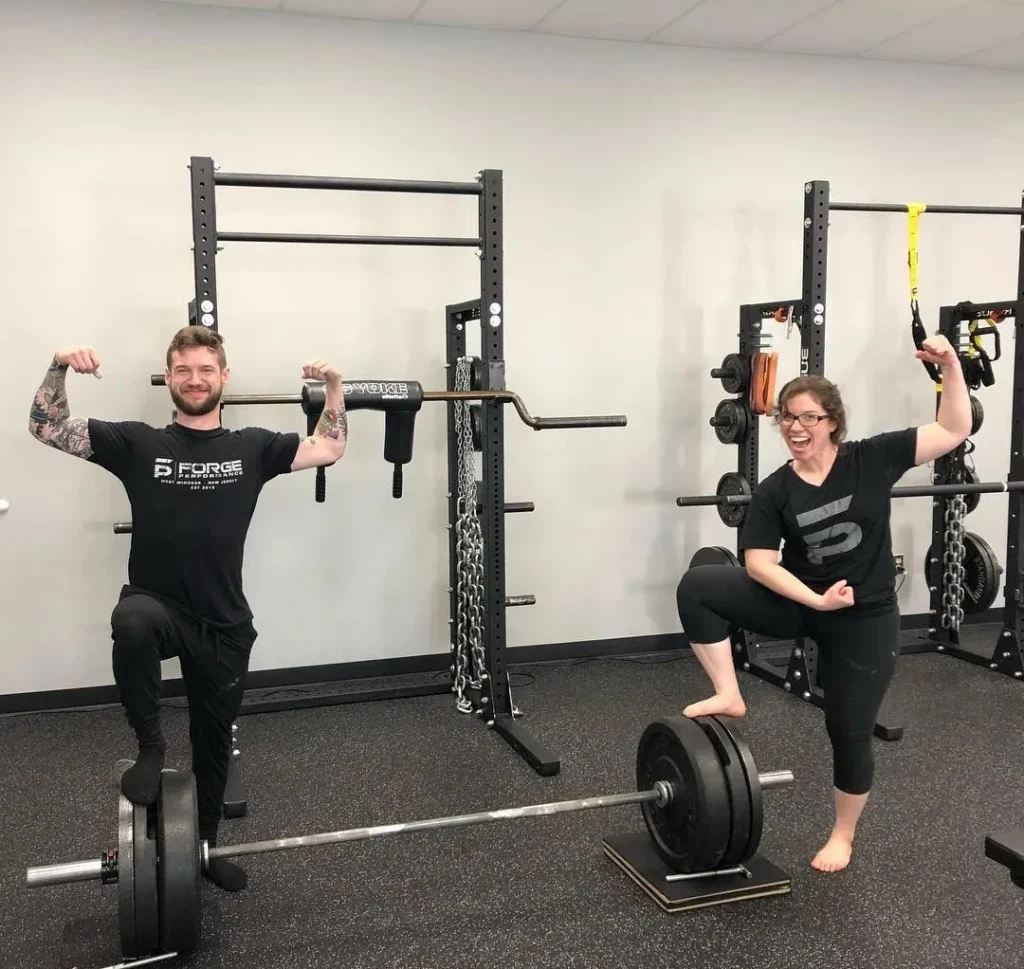
Strength training is a powerful method for building muscle, enhancing endurance, and improving overall health. This guide aims to provide beginners with a comprehensive understanding of strength training fundamentals, focusing on effective workout routines that lay a solid foundation for future progress. Many newcomers to the gym often feel overwhelmed by the variety of exercises and techniques available. However, with the right knowledge and approach, anyone can embark on a successful strength training journey.
This article will cover essential workout routines, key exercises, training principles, safety tips, and common mistakes to avoid, ensuring you have the tools needed to start your strength training effectively.
Effective Workout Routines
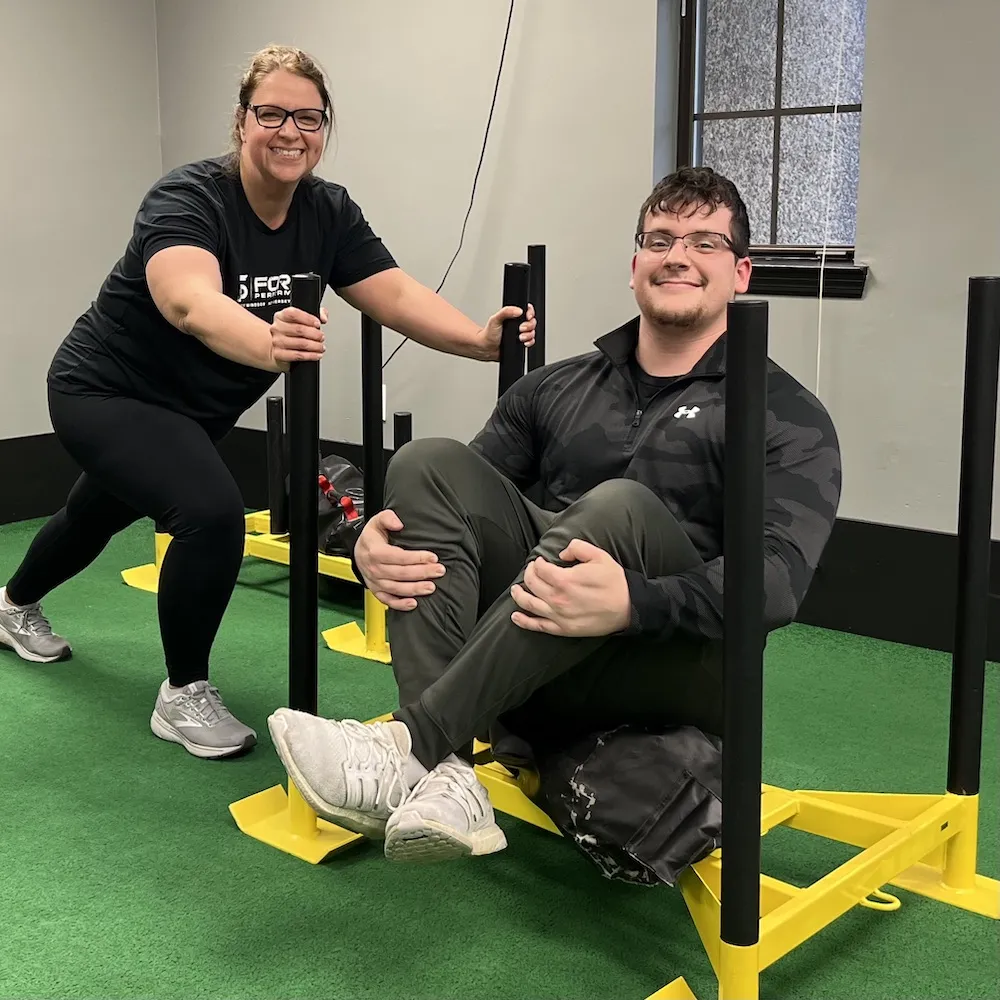
Creating an effective workout routine is crucial for beginners to ensure consistent progress and avoid injury. A well-structured routine typically includes a mix of compound and isolation exercises, focusing on different muscle groups throughout the week. Beginners should aim for at least two to three strength training sessions per week, allowing for adequate recovery between workouts. strength training
Effective planning, especially in the initial stages, is vital for beginner weightlifters to develop functional and motor capacities within a structured training process.
Beginner Weightlifting: Essential Training Planning for Initial Stages
1. Physical training planning throughout the training period is particularly important, but especially at the initial stage. Thus, the forms of planning the physical preparation of beginner weightlifters in a weekly training microcycle are based on significant concepts and theoretical-practical approaches essential for the effective preparation of weightlifters at this stage. The planning of the physical preparation of beginner weightlifters in a weekly training microcycle is designated by the complexity of the development of the functional and motor capacities of an athlete and is carried out within a well systematized and organized training process, this process be
PHYSICAL TRAINING PLANNING FOR WEIGHTLIFTERS BEGINNERS IN A WEEKLY TRAINING MICROCYCLE, 2023
- Frequency of Workouts: Aim for 2-3 sessions per week to build a strong foundation.
- Types of Exercises to Include: Incorporate both compound exercises, which work multiple muscle groups, and isolation exercises, which target specific muscles.
- Progression Strategies: Gradually increase weights and intensity to continue challenging your muscles and promoting growth.
By following these guidelines, beginners can establish a solid workout routine that promotes strength and overall fitness.
Essential Exercises for Strength Beginners Fundamental Strength
Understanding the key exercises in strength training is essential for beginners. These exercises can be categorized into compound and isolation movements, each offering unique benefits. strength training rules
- Compound Exercises: These include movements like squats, deadlifts, and bench presses, which engage multiple muscle groups and promote functional strength.
- Isolation Exercises: Movements such as bicep curls and tricep extensions focus on specific muscles, helping to enhance muscle definition and strength.
- Proper Form and Technique: Mastering the correct form is vital to prevent injuries and maximize the effectiveness of each exercise.
Incorporating a mix of these exercises into your routine will ensure balanced muscle development and overall strength.
Essential Training Principles
To maximize the benefits of strength training, beginners should adhere to several essential training principles. These principles guide effective workouts and help in achieving fitness goals.
- Importance of Form: Proper technique is crucial for preventing injuries and ensuring that the targeted muscles are effectively engaged.
- Frequency of Training: Consistency is key; aim to train each muscle group at least twice a week for optimal results.
- Tracking Progress: Keeping a workout log helps monitor improvements in strength and endurance, allowing for adjustments to the training program as needed.
By following these principles, beginners can create a sustainable and effective strength training regimen.
Forge Coach is a coaching service focused on guiding beginners through strength training fundamentals to build a strong foundation. The primary product aligns with personalized coaching and structured beginner strength training programs designed to educate and motivate users.
Safety Tips
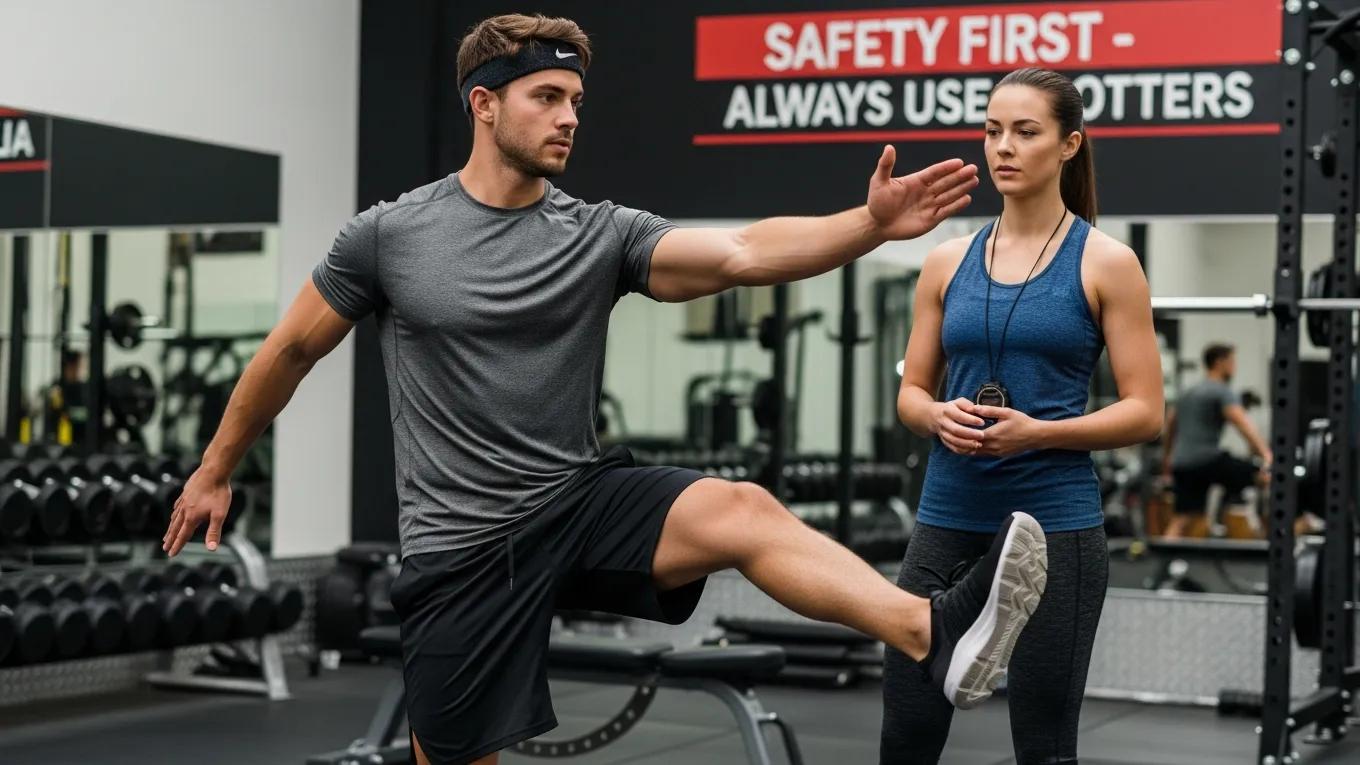
Safety is paramount when engaging in strength training, especially for beginners. Implementing safety measures can help prevent injuries and ensure a positive training experience. Follow the 7 strength training rules for best practices.
Indeed, proper techniques and supervision are critical in minimizing the risk of musculoskeletal injuries often associated with weight training.
Preventing Weight Training Injuries: Techniques & Supervision
1. The use of weights is an increasingly popular conditioning technique, competitive sport and recreational activity among children, adolescents and young adults. Weight-training can cause significant musculoskeletal injuries such as fractures, dislocations, spondylolysis, spondylolisthesis, intervertebral disk herniation, and meniscal injuries of the knee. Although injuries can occur during the use of weight machines, most apparently happen during the aggressive use of free weights. Prepubescent and older athletes who are well trained and supervised appear to have low injury rates in strength training programmes. Good coaching and proper weightlifting techniques and other injury prevention methods are likely to minimise the number of musculoskeletal problems caused by weight-training.
Weight-training injuries: common injuries and preventative methods, RJ Yetman, 1993
- Warm-Up Importance: Always start with a proper warm-up to prepare your muscles and joints for the workout ahead.
- Listening to Your Body: Pay attention to any signs of discomfort or pain, and adjust your routine accordingly.
- Using Proper Equipment: Ensure that you are using the correct weights and equipment to avoid unnecessary strain.
By following these safety tips, beginners can enjoy a safer and more effective strength training experience.
Common Mistakes to Avoid
As beginners embark on their strength training journey, it’s essential to be aware of common mistakes that can hinder progress and lead to injuries. strength training rules
- Neglecting Form: Prioritizing weight over technique can lead to injuries and ineffective workouts.
- Overtraining: Allowing adequate recovery time is crucial for muscle growth and preventing burnout.
- Ignoring Nutrition: Proper nutrition supports recovery and muscle growth, making it an essential component of any training program.
Avoiding these pitfalls will help beginners stay on track and achieve their strength training goals more effectively.
Which Fundamental Weightlifting Techniques Should Beginners Master?
Beginners should focus on mastering fundamental weightlifting techniques, including the squat, deadlift, and bench press. These exercises form the foundation of a well-rounded strength training program and engage multiple muscle groups, promoting overall strength and stability. 7 Strength Training Rules
How Do Basic Exercises Target Key Muscle Groups?
Basic exercises like squats target the lower body, including the quadriceps, hamstrings, and glutes, while bench presses primarily engage the chest, shoulders, and triceps. Understanding how these exercises target specific muscle groups helps beginners create balanced workout routines.
How to Create an Effective Gym Workout Plan for Beginners?
An effective gym workout plan for beginners should include a mix of compound and isolation exercises, focusing on different muscle groups throughout the week. A sample plan might include two to three days of strength training, with each session targeting specific areas of the body. strength training rules
What Is the Recommended Training Frequency for Strength Training Beginners?
Beginners should aim for 2-3 strength training sessions per week, allowing for adequate recovery between workouts. This frequency helps build a solid foundation while minimizing the risk of overtraining. strength training rules.
How to Structure a Beginner Workout Routine for Progressive Overload?
To structure a beginner workout routine for progressive overload, start with manageable weights and gradually increase the resistance as strength improves. This approach ensures continuous muscle growth and adaptation.
Further research emphasizes that progressive overload is a fundamental principle for continuous muscular adaptation in resistance training. strength training rules
Progressive Overload: Key Principle for Resistance Training
1. Progressive overload is a principle of resistance training exercise program design that typically relies on increasing load to increase neuromuscular demand to facilitate further adaptations. However, little attention has been given to another way of increasing demand—increasing the number of repetitions.
Progressive overload without progressing load?
The effects of load or repetition progression on muscular adaptations, D Plotkin, 2022
What Safety Measures and Injury Prevention Strategies Should Beginners Follow?
Beginners should follow safety measures such as warming up before workouts, using proper form, and listening to their bodies to prevent injuries. Additionally, incorporating rest days into the training schedule is crucial for recovery.
How to Perform Exercises with Proper Form to Avoid Injury?
To perform exercises with proper form, beginners should focus on maintaining a neutral spine, engaging the core, and using controlled movements. Seeking guidance from a coach or trainer can also help ensure correct technique.
What Are the Best Practices for Recovery and Muscle Health?
Best practices for recovery include adequate hydration, proper nutrition, and sufficient sleep. Incorporating rest days and active recovery sessions can also enhance muscle health and performance.
What Are the Benefits of Personalized Coaching and How Can It Enhance Beginner Progress?
Personalized coaching offers tailored guidance and support, helping beginners navigate their strength training journey more effectively. Coaches can provide feedback on form, create customized workout plans, and help set realistic goals.
How Does Personalized Coaching Support Strength Training Progression?
Personalized coaching supports strength training progression by offering individualized feedback and adjustments to training programs based on the client’s performance and goals. This tailored approach ensures that beginners stay motivated and on track. strength training rules
Frequently Asked Questions
What Should Beginners Know About Nutrition for Strength Training?
Nutrition plays a crucial role in strength training, especially for beginners. A balanced diet rich in protein, healthy fats, and carbohydrates supports muscle recovery and growth. Protein is essential for repairing muscle tissues after workouts, while carbohydrates provide the energy needed for effective training sessions. Beginners should aim to consume a variety of whole foods, including lean meats, fish, legumes, whole grains, fruits, and vegetables. Staying hydrated is also vital, as it aids in overall performance and recovery.
How Can Beginners Stay Motivated During Their Strength Training Journey?
Staying motivated can be challenging for beginners in strength training. Setting realistic and achievable goals is a great way to maintain motivation. Tracking progress, whether through a fitness app or fitness app, can provide a sense of accomplishment. Additionally, finding a workout buddy or joining a class can create a supportive environment. Celebrating small milestones and mixing up routines to keep workouts fresh can also help sustain enthusiasm and commitment to the training program.
What Role Does Rest Play in a Beginner’s Strength Training Program?
Rest is a critical component of any strength training program, especially for beginners. Muscles need time to recover and repair after workouts, which is when growth occurs. Beginners should incorporate rest days into their weekly routine, allowing at least 48 hours before training the same muscle group again. Active recovery, such as light stretching or walking, can also be beneficial. Adequate sleep and proper nutrition further enhance recovery, ensuring that beginners can perform at their best during training sessions.
How Can Beginners Effectively Track Their Strength Training Progress?
Tracking progress is essential for beginners to understand their development in strength training. Keeping a workout log that records exercises, weights, sets, and repetitions can help monitor improvements over time. Additionally, taking regular measurements of body composition or strength levels can provide tangible evidence of progress. Beginners may also consider using fitness apps that offer tracking features and progress charts. Regularly reviewing this data can help adjust training plans and keep motivation high.
What Are the Psychological Benefits of Strength Training for Beginners?
Strength training offers numerous psychological benefits for beginners, including improved mood and reduced stress levels. Engaging in regular physical activity releases endorphins, which can enhance feelings of happiness and well-being. Additionally, achieving fitness goals can boost self-esteem and confidence. The discipline and commitment required for strength training can also foster a sense of accomplishment and resilience. Overall, the mental health benefits can be as significant as the physical gains, making strength training a holistic approach to wellness.
How Can Beginners Avoid Burnout in Their Strength Training Routine?
To avoid burnout, beginners should prioritize balance in their strength training routine. This includes varying workouts to prevent monotony, incorporating rest days, and listening to their bodies. Setting realistic goals and allowing for flexibility in training schedules can also help maintain enthusiasm. Engaging in complementary activities, such as yoga or cardio, can provide variety and enhance overall fitness without overwhelming the body. Regularly reassessing goals and celebrating achievements can further sustain motivation and enjoyment in the training process.
Conclusion
Embarking on a strength training journey offers numerous benefits, including increased muscle mass, improved endurance, and enhanced overall health. By understanding effective workout routines, key exercises, and essential safety tips, beginners can build a solid foundation for long-term success. Personalized coaching can further enhance progress, ensuring that each individual receives tailored guidance to meet their unique goals. Start your strength training journey today and explore our coaching services to unlock your full potential.