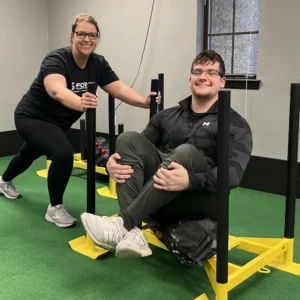

Sustainable weight loss is a journey that requires a tailored approach to meet individual needs and preferences. Many people struggle with weight management due to one-size-fits-all solutions that fail to address their unique circumstances. This article explores effective strategies for sustainable weight loss, emphasizing the importance of personalized support.
Readers will learn about the benefits of customized weight loss plans, the role of behavioral management, and how nutrition and fitness can be tailored to enhance results. We will also discuss the psychological aspects of weight loss and the significance of motivation in achieving long-term success.
Understanding the scientific basis of sustainable weight loss and behavioral change is crucial for long-term success, moving beyond simple motivation.
Sustainable Weight Loss: Brain-Based Behavioral Change
The challenge isn’t lack of motivation—it’s understanding the science behind sustainable fat loss and behavioral change. If you’re wondering how to lose weight and actually keep it off this year, the answer lies in evidence-backed strategies that work with your brain’s natural wiring, not against it.
How To Lose Weight And Keep It Off The Scientifically Proven Way
What Are the Benefits of Personalized Weight Loss Plans?
Personalized weight loss plans offer numerous advantages that can significantly enhance the effectiveness of weight management efforts. These plans are designed to cater to individual preferences, lifestyles, and specific health needs, making them more sustainable in the long run.
- Custom Workout Routines: Tailored exercise programs can enhance motivation and adherence, as they align with personal fitness levels and interests.
- Integrated Meal Plans: Combining meal plans with exercise schedules ensures that nutritional needs are met while supporting physical activity.
- Community Support: Engaging with a supportive community fosters accountability and encouragement, which are crucial for maintaining motivation.
Forge Coach specializes in personalized coaching programs that integrate these elements, providing clients with the tools they need for sustainable weight loss.
How Does Customized Coaching Enhance Sustainable Fat Loss?
Customized coaching plays a pivotal role in achieving sustainable fat loss by providing personalized accountability and ongoing support. Coaches work closely with clients to develop tailored strategies that promote consistency and adherence to weight loss goals.
- Personalized Accountability: Regular check-ins and progress assessments help clients stay on track and make necessary adjustments to their plans.
- Guidance for Sustainable Fat Loss: Coaches offer expert advice on nutrition and exercise, ensuring that clients adopt healthy habits that can be maintained over time.
- Ongoing Support: Continuous encouragement and motivation from a coach can significantly impact a client’s ability to overcome challenges and stay committed to their weight loss journey.
The integration of personalized coaching from Forge Coach can enhance the effectiveness of these strategies, leading to better outcomes for clients.
What Role Does Behavioral Weight Management Play in Personalized Plans?
Behavioral weight management is a critical component of personalized weight loss plans. It focuses on understanding and modifying behaviors that contribute to weight gain or hinder weight loss. Weight loss plans
- Identifying Emotional Eating Patterns: Recognizing triggers for emotional eating can help clients develop healthier coping mechanisms.
- Techniques to Enhance Adherence: Behavioral strategies, such as goal setting and self-monitoring, can improve adherence to nutrition and exercise plans.
- Mindfulness and Stress Management: Incorporating mindfulness practices can help clients manage stress and make more conscious food choices.
By addressing these behavioral aspects, personalized plans can lead to more effective and lasting weight management.
Which Behavioral Change Techniques Support Long-Term Weight Management?
Several behavioral change techniques are essential for supporting long-term weight management. These techniques help individuals develop sustainable habits that promote a healthy lifestyle.
- Habit Stacking: This technique involves linking new habits to existing ones, making it easier to incorporate healthy behaviors into daily routines.
- Motivational Interviewing: This approach encourages clients to explore their motivations for change, enhancing their commitment to weight loss goals.
- Social Support: Engaging with friends, family, or support groups can provide the accountability needed to maintain progress.
Implementing these techniques can significantly improve the likelihood of long-term success in weight management.
How Can Habit Formation Improve Sustainable Diet Strategies?
Habit formation is crucial for developing sustainable diet strategies. By focusing on small, incremental changes, individuals can create lasting habits that support their weight loss goals.
- Incremental Steps: Gradually introducing healthier foods and reducing unhealthy options can prevent feelings of overwhelm and promote adherence.
- Social Support Reinforcement: Sharing goals with friends or family can provide additional motivation and encouragement.
- Sustainable Nutrition Habits: Establishing consistent eating patterns can reduce the risk of chronic diseases and support overall health.
By prioritizing habit formation, individuals can create a solid foundation for sustainable dietary changes.
What Psychological Approaches Are Effective in Weight Loss Coaching?
Psychological approaches play a significant role in weight loss coaching, as they address the mental and emotional aspects of behavior change.
- Mindfulness Techniques: Practicing mindfulness can help individuals become more aware of their eating habits and emotional triggers.
- Behavioral Coaching: This approach focuses on identifying and reversing harmful patterns that contribute to weight gain.
- Community Support: Building a supportive network can enhance motivation and provide encouragement during challenging times.
These psychological strategies can empower clients to make meaningful changes in their weight management journey.
How Does Nutrition Guidance Contribute to Effective Fat Loss?

Nutrition guidance is a fundamental aspect of effective fat loss. It involves providing clients with tailored dietary recommendations that align with their individual goals and preferences. Nutrition coaching is essential for achieving the best results.
- Promotes Sustainable Eating Habits: Personalized nutrition plans encourage the adoption of healthy eating patterns that can be maintained over time.
- Tailored Plans Improve Adherence: Customizing meal plans to fit individual tastes and lifestyles increases the likelihood of adherence.
- Supports Behavior Change and Accountability: Nutrition guidance helps clients understand the impact of their food choices, fostering accountability in their weight loss journey.
Forge Coach offers personalized nutrition coaching that integrates these principles, ensuring clients receive the support they need for effective fat loss.
What Are the Key Components of Sustainable Diet Strategies?
Sustainable diet strategies encompass several key components that contribute to long-term success in weight management.
- Personalized Nutrition Coaching: Tailored guidance ensures that dietary recommendations align with individual goals and preferences.
- Mindful Eating Practices: Encouraging clients to pay attention to their hunger cues and food choices can lead to healthier eating habits.
- Ongoing Support and Accountability: Regular check-ins and community engagement provide the necessary support to maintain progress.
These components work together to create a comprehensive approach to sustainable weight loss.
How Is Nutrition Tailored in Healthy Lifestyle Coaching?
Nutrition is tailored in healthy lifestyle coaching by focusing on individual goals, preferences, and dietary restrictions.
- Customized Meal Plans: Coaches develop meal plans that cater to specific health needs and personal tastes, making it easier for clients to adhere to their diets.
- Focus on Sustainable Habits: Emphasizing long-term changes rather than quick fixes helps clients develop healthier eating patterns.
- Ongoing Support Through Check-Ins: Regular follow-ups ensure that clients stay on track and make necessary adjustments to their plans.
This personalized approach to nutrition is essential for achieving lasting results.
What Exercise Plans Optimize Sustainable Weight Management?

Exercise plans that optimize sustainable weight management are tailored to individual nutrition coaching fitness levels and preferences.
Research highlights the importance of personalized exercise prescriptions in boosting physical activity and ensuring long-term adherence.
Personalized Exercise Prescriptions & Adherence Factors
Personalized intelligent exercise prescriptions have demonstrated significant benefits in increasing physical activity and improving individual health. However, the health benefits of these prescriptions depend on long-term adherence. Therefore, it is essential to analyze the factors influencing adherence to personalized intelligent exercise prescriptions and explore the intrinsic relationship between individual behavioral motivation and adherence.
Influencing factors and implementation pathways of adherence behavior in intelligent personalized exercise prescription: qualitative study, 2024
- Personalized Workout Plans: Customizing exercise routines ensures that clients engage in activities they enjoy, increasing adherence.
- Nutrition Coaching Aligned with Fitness: Integrating nutrition guidance with exercise plans helps clients achieve their weight loss goals more effectively.
- Community Support Through Group Training: Participating in group workouts fosters a sense of community and accountability, enhancing motivation.
These elements contribute to a well-rounded approach to weight management.
Which Fitness Planning Methods Support Long-Term Fat Loss?
Fitness planning methods that support long-term fat loss focus on creating sustainable exercise habits. Nutrition coaching
- Integrated Fitness and Nutrition Programs: Combining fitness and nutrition strategies ensures a holistic approach to weight management.
- Habit Tracking for Accountability: Monitoring progress helps clients stay accountable and motivated throughout their journey.
- Ongoing Support from Certified Trainers: Access to professional guidance can enhance the effectiveness of fitness plans.
These methods are crucial for achieving and maintaining long-term fat loss.
How Does Physical Activity Integrate with Personalized Coaching?
Physical activity is integrated into personalized coaching by developing tailored exercise plans that align with individual goals.
- Tailored Workout Routines: Coaches create exercise programs that cater to clients’ fitness levels and preferences, ensuring engagement.
- Real-Time Feedback and Progress Tracking: Providing clients with immediate feedback helps them stay motivated and make necessary adjustments.
- Comprehensive Approach to Fitness: Integrating physical activity with nutrition and behavioral strategies creates a well-rounded weight management plan.
This integration is essential for achieving sustainable results.
How Can Mindful Eating and Motivation Enhance Weight Loss Success?
Mindful eating and motivation are critical factors in enhancing weight loss success.
- Increased Awareness of Hunger Cues: Practicing mindfulness helps individuals recognize their body’s signals, leading to healthier eating habits.
- Improved Satisfaction with Smaller Portions: Mindful eating encourages individuals to savor their food, which can reduce the desire to overeat.
- Positive Relationship with Food: Fostering a healthy mindset around food can enhance overall well-being and support weight loss efforts.
These elements contribute to a more successful and sustainable weight loss journey.
What Strategies Foster Motivation During Weight Loss Journeys?
Maintaining motivation during weight loss journeys is essential for long-term success. Several strategies can help individuals stay committed to their goals.
- Goal Setting for Direction: Establishing clear, achievable goals provides a roadmap for progress and helps individuals stay focused.
- Progress Tracking to Celebrate Milestones: Monitoring achievements allows individuals to recognize their progress and stay motivated.
- Community Support for Accountability: Engaging with a supportive network can provide encouragement and accountability throughout the journey.
Implementing these strategies can significantly enhance motivation and commitment to weight loss goals.
How Does Mindful Eating Support Behavioral Weight Management?
Mindful eating supports behavioral weight management by promoting healthier eating habits and greater awareness of food choices. Nutrition coaching is essential in this process.
- Promotes Healthier Eating Habits: Mindfulness encourages individuals to make conscious decisions about what and how much they eat.
- Recognizes Emotional Triggers: Understanding emotional eating patterns can help individuals develop healthier coping mechanisms.
- Encourages Conscious Food Choices: Mindful eating fosters a positive relationship with food, reducing the likelihood of overeating.
These principles are essential for effective weight management.
What Metrics and Success Indicators Demonstrate Coaching Effectiveness?
Measuring the effectiveness of coaching programs involves tracking various metrics and success indicators.
- Regular Assessments of Fitness Metrics: Monitoring weight, body composition, and fitness levels provides insight into progress.
- Client Testimonials Highlighting Achievements: Gathering feedback from clients can showcase the effectiveness of coaching strategies.
- Sustainability of Results Over Time: Evaluating long-term success is crucial for determining the overall effectiveness of coaching programs.
These metrics help ensure that coaching remains effective and aligned with clients’ goals.
How Are Client Success Metrics Measured in Personalized Programs?
Client success metrics in personalized programs are measured through various methods that provide insight into progress and effectiveness.
- Ongoing Feedback and Assessments: Regular check-ins allow coaches to adjust plans based on client progress and feedback.
- Integrated Mobile App Tracking: Utilizing technology can enhance accountability and provide real-time data on client progress.
- Real-Time Feedback from Trainers: Immediate feedback helps clients stay motivated and make necessary adjustments to their plans.
These measurement strategies are essential for ensuring that clients achieve their weight loss goals.
What Evidence Supports the Increased Effectiveness of Personalized Coaching?
Research indicates that personalized coaching significantly enhances the effectiveness of weight loss programs.
- Higher Goal Adherence with Personalized Coaching: Clients who receive tailored support are more likely to stick to their weight loss goals.
- Improved Client Outcomes: Studies show that personalized coaching leads to better weight loss results compared to generic programs.
- Structured Support Enhances Behavior Change: The combination of personalized strategies and ongoing support fosters lasting behavior change.
This evidence underscores the importance of personalized coaching in achieving sustainable weight loss.
Further studies consistently demonstrate the superior effectiveness of personalized interventions compared to non-personalized approaches in promoting significant weight loss.
Personalized vs. Non-Personalized Weight Loss Interventions
Background:The effect of computer- or human-delivered personalized feedback on the effectivess of web-based behavior change platforms for weight loss is unclear. Objective:We aimed to compare the effectiveness of a web-based behavior change intervention personalized through either computerized or human-delivered feedback with a nonpersonalized intervention in promoting weight loss in community-based adults with overweight or obesity.
Personalized web-based weight loss behavior change program with and without dietitian online coaching for adults with overweight and obesity: randomized …, A Beleigoli, 2020
Frequently Asked Questions
What are the common challenges people face in sustainable weight loss?
Many individuals encounter various challenges when attempting sustainable weight loss, including emotional eating, lack of motivation, and difficulty in maintaining healthy habits. Emotional triggers can lead to overeating, while inconsistent motivation can hinder progress. Additionally, people often struggle with finding a balanced approach that integrates nutrition and exercise into their daily lives. Understanding these challenges is crucial for developing effective strategies that address individual needs and promote long-term success in weight management.
How can technology assist in personalized weight loss coaching?
Technology plays a significant role in enhancing personalized weight loss coaching by providing tools for tracking progress, setting goals, and maintaining accountability. Mobile apps can help clients log their food intake, monitor exercise routines, and receive real-time feedback from coaches. Additionally, wearable devices can track physical activity and vital metrics, allowing for data-driven adjustments to personalized plans. This integration of technology fosters a more engaging and responsive coaching experience, ultimately supporting sustainable weight loss efforts.
What role does community support play in weight loss success?
Community support is vital for weight loss success as it fosters accountability, motivation, and encouragement. Engaging with a supportive network, whether through group workouts, online forums, or social media, can help individuals share their experiences and challenges. This sense of belonging can reduce feelings of isolation and increase commitment to weight loss goals. Moreover, community members can celebrate each other’s milestones, providing positive reinforcement that enhances overall motivation and adherence to personalized plans. nutrition coaching is essential for achieving success.
How important is goal setting in the weight loss journey?
Goal setting is a crucial component of the weight loss journey as it provides direction and a clear roadmap for progress. Establishing specific, measurable, achievable, relevant, and time-bound (SMART) goals helps individuals focus their efforts and track their achievements. This structured approach not only enhances motivation but also allows for adjustments based on progress. Regularly revisiting and updating goals can keep individuals engaged and committed to their weight loss journey, ultimately leading to more sustainable results.
What psychological factors influence weight loss success?
Psychological factors significantly influence weight loss success, including mindset, self-efficacy, and emotional resilience. A positive mindset can enhance motivation and commitment, while self-efficacy—the belief in one’s ability to achieve goals—plays a critical role in overcoming challenges. Additionally, emotional resilience helps individuals cope with setbacks and maintain focus on their long-term objectives. Incorporating psychological strategies, such as mindfulness and cognitive-behavioral techniques, can empower individuals to navigate their weight loss journeys more effectively.
How can individuals maintain weight loss after achieving their goals?
Maintaining weight loss after achieving goals requires ongoing commitment to healthy habits and lifestyle changes. Individuals should focus on integrating sustainable eating patterns and regular physical activity into their daily routines. Setting new goals, whether related to fitness or nutrition, can help maintain motivation. Additionally, continued engagement with support networks and coaching can provide accountability and encouragement. Regular self-assessment and adjustments to plans are essential for adapting to life changes and ensuring long-term success in weight management.nutrition coaching
Conclusion
Embracing a personalized approach to weight loss can significantly enhance your journey towards sustainable results. By integrating tailored nutrition, exercise plans, and behavioral strategies, individuals can overcome common challenges and achieve lasting success. The value of personalized coaching lies in its ability to provide ongoing support and accountability, ensuring that you stay motivated and committed. Start your transformation today by exploring our customized coaching programs designed to meet your unique needs.