

The non-diet approach to nutrition emphasizes health and well-being over weight loss, challenging traditional dieting paradigms. This article explores how this approach can lead to a more balanced and fulfilling relationship with food. Readers will learn about the principles of non-diet nutrition, the Health At Every Size movement, and practical steps to embrace intuitive eating.
Many individuals struggle with restrictive diets that often lead to frustration and unhealthy relationships with food. The non-diet approach offers a solution by promoting body positivity and gentle nutrition, allowing individuals to focus on health rather than weight. We will delve into the core concepts of non-diet nutrition, the benefits of this approach, and actionable steps to start practicing it today.
What Is Non-Diet Nutrition and How Does It Promote Health?
Non-diet nutrition is an approach that prioritizes health and well-being over weight loss, focusing on intuitive eating and body acceptance. This method encourages individuals to listen to their bodies’ hunger and fullness cues, fostering a healthier relationship with food. By shifting the focus from weight to overall health, non-diet nutrition promotes mental and physical well-being, reducing the stress associated with dieting. This approach contrasts sharply with traditional dieting, which often emphasizes calorie restriction and can lead to negative health outcomes such as disordered eating and metabolic issues.
Non-diet means:
- Focusing on behaviors (protein intake, fiber, meal structure, hydration, movement, sleep)
- Practicing flexible consistency (progress without perfection)
- Using internal cues (hunger, fullness, satisfaction) plus practical nutrition structure
- Measuring outcomes beyond weight (energy, strength, blood work, digestion, performance)
Non-diet does NOT mean:
- Ignoring nutrition quality
- Eating only “fun foods”
- Pretending weight stigma doesn’t exist
- Avoiding goals or accountability
Bottom line: it’s a long-game strategy for real life.
Understanding Intuitive Eating Principles for Balanced Nutrition
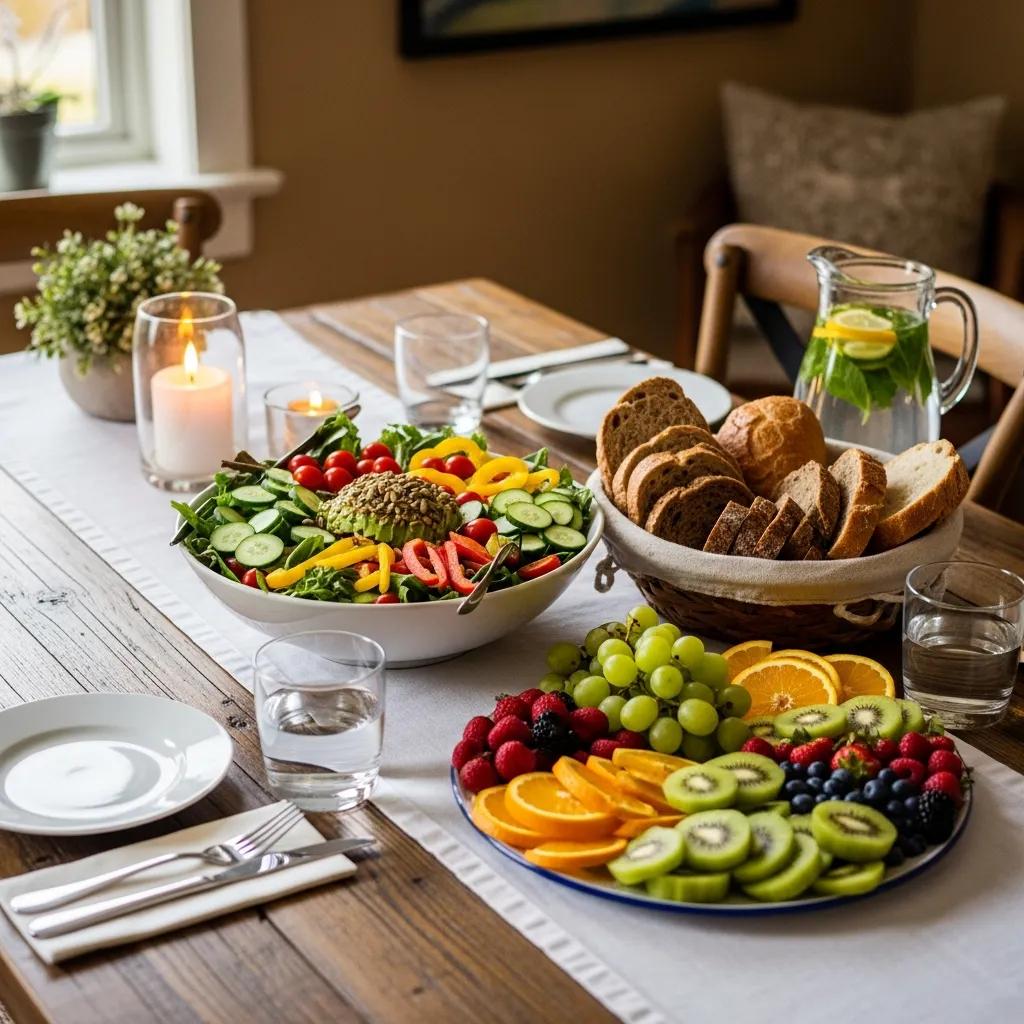
Intuitive eating is a key component of non-diet nutrition, encouraging individuals to trust their bodies and make food choices based on internal cues rather than external rules. The principles of intuitive eating include honoring hunger, making peace with food, and respecting fullness. By practicing these principles, individuals can develop a more balanced and enjoyable relationship with food, leading to improved mental health and reduced anxiety around eating. nutrition coaching.
How Gentle Nutrition Supports Well-Being Without Restriction
Gentle nutrition complements intuitive eating by promoting a balanced approach to food choices without the constraints of traditional dieting. This concept encourages individuals to focus on nourishing their bodies with a variety of foods while allowing for flexibility and enjoyment. Blog
Gentle nutrition emphasizes the importance of listening to one’s body and making choices that support overall well-being, rather than adhering to strict dietary rules. This approach can lead to improved mental health and a more positive body image.
The Real Health Markers That Matter (Beyond Weight)
Here’s what we care about because these outcomes actually affect quality of life:
- Energy and fatigue patterns (mid-afternoon crashes, morning grogginess)
- Hunger and cravings (especially late-night or stress-driven eating)
- Strength and performance (progressive overload, stamina, recovery)
- Blood sugar stability (consistent meals, balanced macronutrients)
- Digestive health (fiber, hydration, regularity, tolerance)
- Cardiometabolic markers (blood pressure, lipids, A1C where applicable)
- Sleep quality (duration, routine, wake-ups)
- Stress load (nervous system regulation, coping tools)
- Consistency score (how repeatable your plan is on a busy week)
When you build habits that improve these markers, body composition often changes as a side effect—not as the daily obsession.
How Does the Health At Every Size Movement Redefine Wellness?
The Health At Every Size (HAES) movement advocates for a holistic approach to health that emphasizes body diversity and well-being over weight loss. This movement challenges societal norms that equate health with thinness, promoting the idea that individuals can pursue health regardless of their body size. By focusing on health-promoting behaviors rather than weight, HAES encourages individuals to embrace their bodies and prioritize self-care.
What Role Does Body Positivity Play in Health at Every Size?

Body positivity is a crucial aspect of the HAES movement, promoting acceptance and appreciation of all body types. This movement encourages individuals to challenge societal beauty standards and embrace their unique bodies. By fostering a positive body image, individuals can improve their mental health and overall well-being, leading to healthier lifestyle choices. Body positivity supports the idea that health is not solely determined by weight, allowing individuals to focus on self-acceptance and self-care.
Can Health Be Achieved Independent of Weight Loss?
Research indicates that health can be improved without the necessity of weight loss. Many studies show that individuals can improve their health markers, such as blood pressure and cholesterol levels, through lifestyle changes that do not involve weight loss. This perspective shifts the focus from weight as a primary indicator of health to a more comprehensive view that includes physical activity, nutrition, and mental well-being. Emphasizing health over weight allows individuals to pursue wellness without the pressure of dieting.
Why Choose a Non-Diet Approach Over Traditional Dieting?
Choosing a non-diet approach over traditional dieting offers numerous benefits, including improved mental health, a more positive relationship with food, and sustainable lifestyle changes. Traditional diets often lead to a cycle of restriction and bingeing, which can negatively impact mental and physical health. In contrast, non-diet nutrition coaching promotes a balanced approach that encourages individuals to listen to their bodies and make choices that support their overall well-being.
What Are the Benefits of Focusing on Health Instead of Weight?
- Improved Mental Health: Reducing the pressure to lose weight can alleviate anxiety and promote a more positive self-image.
- Sustainable Lifestyle Changes: Non-diet approaches encourage long-term health-promoting behaviors rather than short-term fixes.
- Enhanced Physical Health: Individuals can improve their health markers through balanced nutrition and physical activity without the stress of dieting.
These benefits highlight the importance of prioritizing health over weight, leading to a more fulfilling and enjoyable life.
How Does Non-Diet Nutrition Improve Mental and Physical Well-Being?
Non-diet nutrition enhances mental and physical well-being by promoting a positive relationship with food and body acceptance. By focusing on intuitive eating and gentle nutrition, individuals can reduce stress and anxiety related to food choices. This approach encourages individuals to engage in physical activity for enjoyment rather than as a means to lose weight, fostering a healthier mindset.
The emphasis on self-care and body positivity contributes to overall well-being, making non-diet nutrition a valuable alternative to traditional dieting.
How Can You Start Practicing Non-Diet Nutrition Today?
Starting a non-diet approach to nutrition involves embracing intuitive eating and body positivity. By taking small steps, individuals can gradually shift their mindset and behaviors towards a more balanced relationship with food. Testimonials can greatly enhance the understanding of client experiences.
What Are Simple Steps to Embrace Intuitive Eating?
- Honor Your Hunger: Pay attention to your body’s hunger signals and eat when you are hungry.
- Make Peace with Food: Allow yourself to enjoy all foods without guilt or restriction.
- Respect Your Fullness: Listen to your body’s signals of fullness and stop eating when satisfied.
These steps can help individuals develop a healthier relationship with food and foster a more positive body image.
How to Cultivate Body Positivity and Gentle Nutrition Habits?
- Practicing Self-Compassion: Treat yourself with kindness and understanding, especially during challenging moments.
- Surrounding Yourself with Positivity: Engage with body-positive communities and resources that promote acceptance and diversity.
- Focusing on Nourishment: Choose foods that make you feel good physically and emotionally, prioritizing enjoyment and satisfaction.
By implementing these habits, individuals can create a supportive environment that fosters body positivity and a balanced approach to nutrition.
Frequently Asked Questions
What are the key differences between non-diet nutrition and traditional dieting?
Non-diet nutrition focuses on health and well-being rather than weight loss, promoting intuitive eating and body acceptance. In contrast, traditional dieting often emphasizes calorie restriction and weight reduction, which can lead to unhealthy relationships with food. Non-diet approaches encourage individuals to listen to their bodies and make food choices based on internal cues, while traditional diets typically impose external rules and restrictions that can cause stress and anxiety around eating.
How can I overcome the fear of gaining weight while adopting a non-diet approach?
Overcoming the fear of weight gain involves shifting your mindset to prioritize health and well-being over numbers on a scale. Start by focusing on nourishing your body with a variety of foods and engaging in physical activities that you enjoy. Practicing self-compassion and surrounding yourself with supportive communities can also help. Remember, health is multifaceted and not solely defined by weight; embracing body positivity can further alleviate these fears.
Can children benefit from a non-diet approach to nutrition?
Yes, children can greatly benefit from a non-diet approach to nutrition coaching. Teaching them to listen to their hunger and fullness cues fosters a healthy relationship with food from a young age. Encouraging body positivity and acceptance helps children develop self-esteem and resilience against societal pressures regarding body image. By promoting balanced eating habits and physical activity for enjoyment rather than weight control, children can grow up with a healthier mindset towards food and their bodies.
What role does mindfulness play in non-diet nutrition?
Mindfulness plays a significant role in non-diet nutrition by encouraging individuals to be present during meals and to pay attention to their body’s signals. Practicing mindfulness helps people savor their food, recognize hunger and fullness cues, and reduce emotional eating. By being mindful, individuals can cultivate a more enjoyable and satisfying eating experience, leading to better food choices and a healthier relationship with food overall.
How can I find support while transitioning to a non-diet approach?
Finding support during your transition to a non-diet approach can be beneficial. Consider joining body-positive communities, online forums, or local support groups that focus on intuitive eating and health at every size. Additionally, working with a registered dietitian or a therapist who specializes in non-diet nutrition can provide personalized guidance and encouragement. Surrounding yourself with supportive friends and family who understand your goals can also enhance your journey.
Are there any resources or books you recommend for learning more about non-diet nutrition?
Yes, several resources can help you learn more about non-diet nutrition. Books like “Intuitive Eating” by Evelyn Tribole and Elyse Resch, and “Health at Every Size” by Linda Bacon are excellent starting points. Additionally, websites and blogs dedicated to body positivity and intuitive eating offer valuable insights and practical tips. Engaging with podcasts and social media accounts that promote non-diet principles can also provide ongoing support and inspiration.
Conclusion
Embracing a non-diet approach to nutrition fosters a healthier relationship with food, prioritizing well-being over weight loss. This method not only enhances mental health but also encourages sustainable lifestyle changes that promote overall wellness. By focusing on intuitive eating and body positivity, individuals can cultivate a fulfilling and enjoyable life. Start your journey towards a balanced approach to nutrition today by exploring resources that support your path to health.