
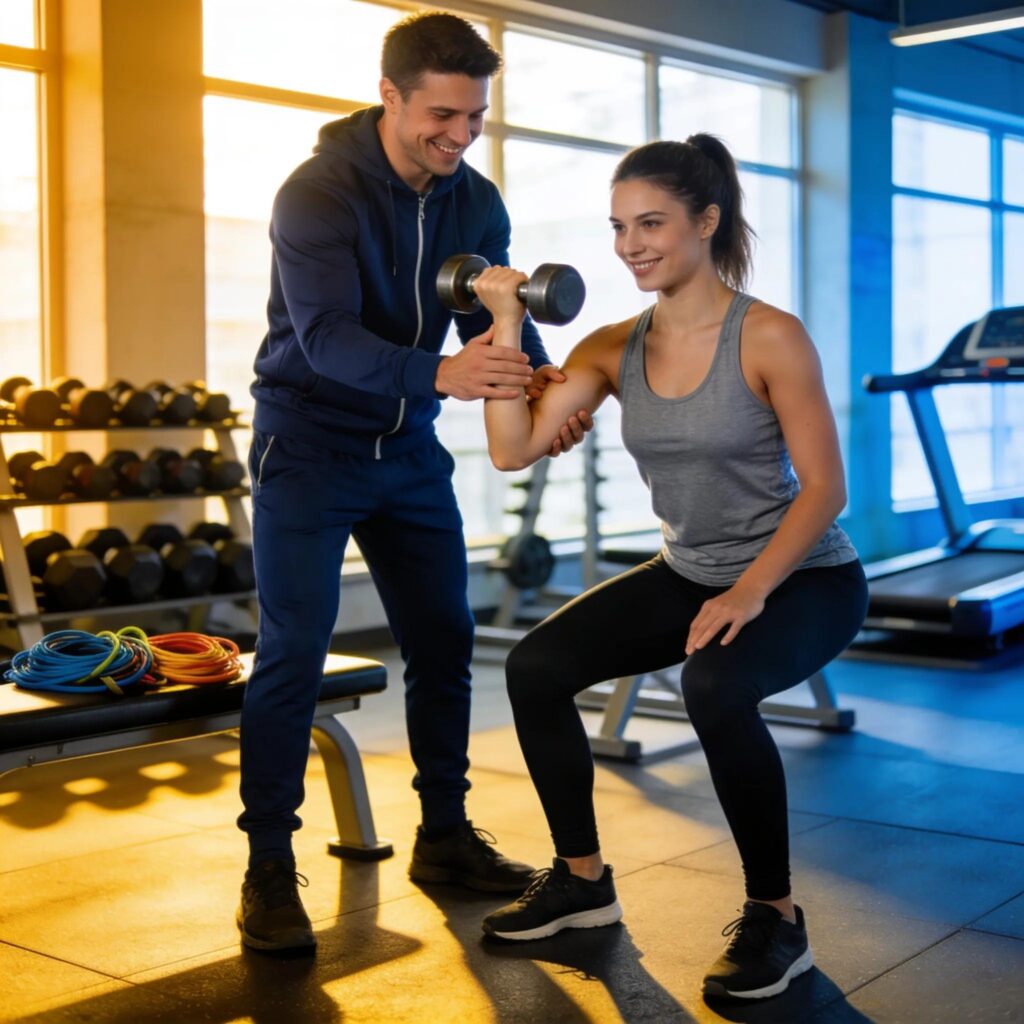
Personal training offers a comprehensive approach to fitness that focuses on individualized guidance and support. As many individuals struggle to achieve their health goals due to lack of motivation or improper planning, expert fitness coaches step in to provide much-needed structure. This article explores the transformative benefits of personal training and how expert guidance can lead to optimal fitness outcomes.
We’ll cover the distinct advantages of personalized workout plans, the impact of dedicated trainers on motivation and accountability, and the crucial synergy between nutrition and training. Additionally, we’ll delve into real client success stories that exemplify the effectiveness of this tailored approach, addressing common queries regarding cost and accessibility.
Boost Motivation and Accountability with Personal Training (55

Fitness coaches play a vital role in enhancing exercise motivation and accountability through structured support and personalized attention. Their expertise not only improves adherence but also creates an environment conducive to consistent workouts. By setting specific goals and developing tailored strategies, trainers keep clients focused and help them navigate challenges. As a result, individuals often find themselves more motivated to reach their fitness benchmarks.
What Psychological Benefits Increase Workout Adherence with Guided Training?
Guided training significantly improves workout adherence by addressing psychological barriers that many individuals face. Personal trainers assist by identifying personal obstacles such as fear of failure or lack of self-belief. By fostering a supportive atmosphere, trainers can help clients cultivate a growth mindset, enhancing their commitment to fitness. Studies have shown that clients who engage with a trainer are more likely to overcome these barriers, ultimately leading to lasting behavior changes and improved health outcomes.
How Does Trainer-Led Motivation Improve Consistency and Results?
Trainer-led motivation is essential for enhancing workout consistency and results. Trainers utilize various motivational techniques, such as setting incremental goals, providing immediate feedback, and celebrating small achievements. For instance, case studies demonstrate that clients under trainer guidance often experience improved metrics in stamina, strength, and overall well-being compared to those who train alone. This structured support system fosters an environment where individuals are more likely to persevere, leading to better overall results.
What Are the Key Advantages of Personalized Workout Plans?
Personalized workout plans are essential to addressing the unique needs of each individual. Tailoring fitness programs allows for customization based on specific fitness levels, preferences, and health requirements. This individualized approach leads to enhanced adherence and more effective outcomes, as clients work towards goals that resonate with their own aspirations.
How Does Tailored Fitness Coaching Address Individual Health Needs?
Tailored fitness coaching involves comprehensive health assessments that allow trainers to design programs suited to individual needs. Personal trainers consider factors such as injury history, existing health conditions, and fitness levels when creating a workout plan. Success stories often highlight how customized programs facilitate recovery and improve overall health metrics, showcasing the effectiveness of personalized coaching.
What Scientific Evidence Supports Customized Exercise Strategies?
Research consistently supports the efficacy of customized exercise strategies. Numerous studies have illustrated that personalized training programs significantly enhance physical performance compared to generic workout routines. For example, a study published in a major fitness journal revealed that participants who followed tailored programs showed greater improvements in strength and endurance over a training period, though specific numerical percentages can vary widely among studies and populations. Expert opinions also emphasize the necessity of personalized training for achieving sustainable results.
In What Ways Does Personal Training Improve Physical Health Outcomes?
The positive impact of personal training on physical health outcomes is well-documented. Engaging with a professional trainer not only facilitates better workout routines but also contributes to overall health improvement through structured exercise regimens.
Which Metrics Demonstrate Measurable Progress under Professional Guidance?
Under professional guidance, clients can track various metrics that demonstrate their improvement. These may include increased strength measured by weights lifted, improved cardiovascular endurance evaluated through timed runs, and enhanced flexibility assessed through range of motion tests. These tracked metrics serve as tangible evidence of progress, motivating clients to stay committed to their goals.
How Does Injury Prevention Benefit from Expert Workout Supervision?
Injury prevention is a significant advantage of personal training. Trainers are trained to recognize improper technique and provide immediate feedback to ensure exercises are performed safely. This supervision helps reduce the risk of injury, particularly for beginners or individuals returning from previous injuries. Common injuries in fitness, such as strains and sprains, can often be avoided through expert guidance and proper form, further underscoring the benefits of personal training.
How Do Nutrition and Personal Training Synergize to Maximize Fitness Results?
Nutrition is an integral part of any fitness regimen, and personal training provides a unique opportunity to synergize diet and exercise for maximal results. Understanding the right nutritional strategies can enhance the effects of training, contributing significantly to health and body composition goals.
What Nutrition Strategies Complement Tailored Workout Plans?
Effective nutrition strategies that complement tailored workout plans involve assessing clients’ dietary habits and designing individualized nutrition plans. Personal trainers often recommend meal strategies that align with clients’ fitness objectives, such as increasing protein intake for muscle recovery or adjusting caloric intake to support fat loss. Clients often report significant improvements in energy levels and overall health when these nutritional strategies align with their personalized workout plans.
How Does Combined Diet and Training Enhance Long-Term Health Benefits?
The combination of diet and exercise promotes long-term health benefits that extend beyond immediate fitness goals. Studies indicate that individuals who engage in regular physical activity and adhere to balanced diets have a lower risk of chronic diseases such as obesity, diabetes, and heart disease. Emphasizing the importance of this approach, many trainers incorporate nutritional counseling into their fitness programs, leading to sustainable lifestyle changes.
What Are Client Success Stories and Evidence-Based Outcomes in Personal Training?
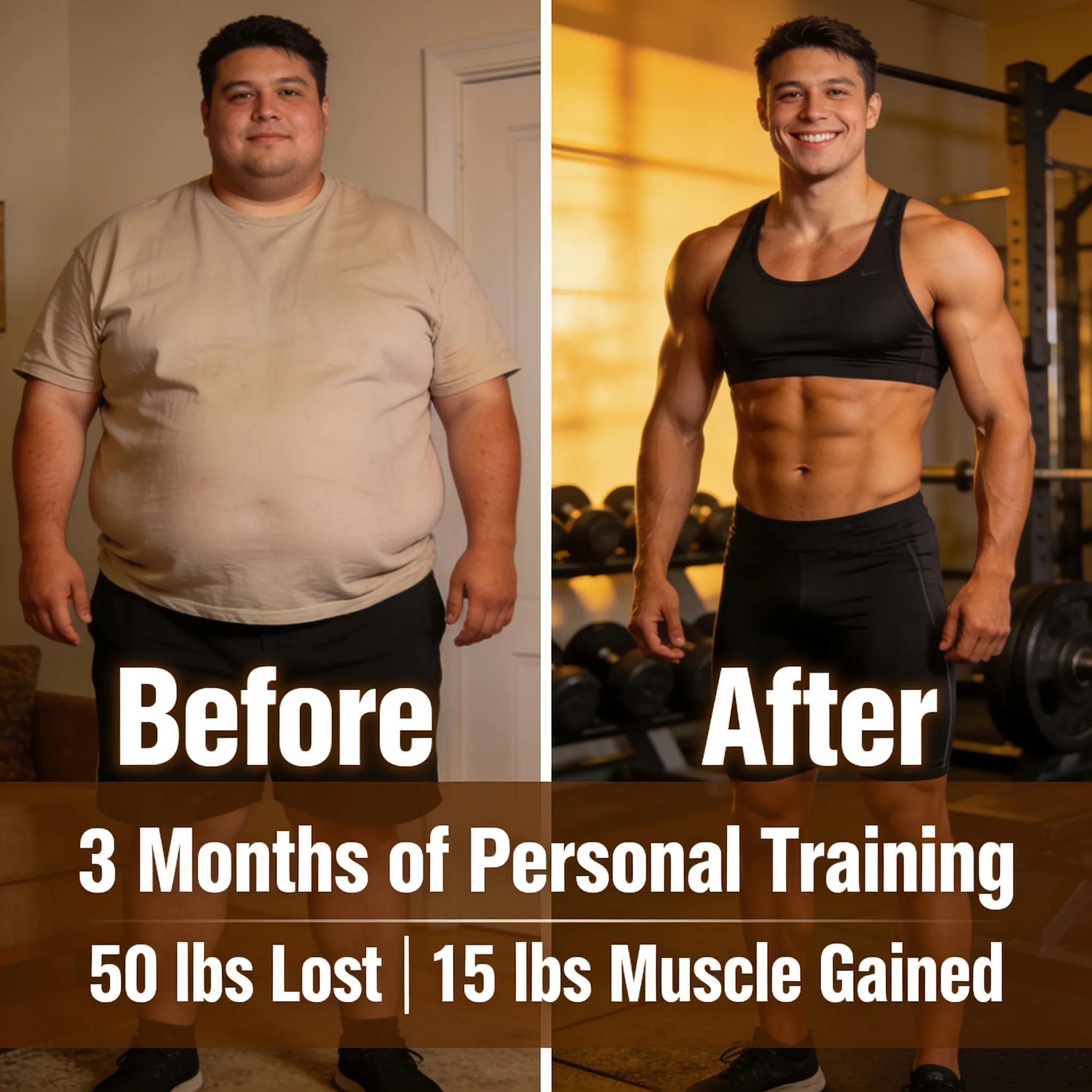
Real-world examples illustrate how personal training can transform lives, showcasing the profound effects of tailored fitness programs. These client success stories often underscore the blend of personalized exercise plans and expert coaching.
Which Real-World Examples Illustrate Transformative Fitness Coaching Effects?
Many clients share transformative journeys characterized by enhanced physical health and improved self-esteem. For instance, one client lost over 50 pounds following a customized training program that incorporated cardio and strength training, alongside nutritional guidance. These stories highlight the potential for personal training to create profound changes in individuals’ lives.
How Do Data-Driven Case Studies Validate Personal Training Effectiveness?
Data-driven case studies provide compelling evidence for the effectiveness of personal training. Metrics such as weight loss, increased muscle mass, and improved endurance are documented and analyzed to validate success. Such studies emphasize the accountability and structured support that trainers provide, which lead to measurable outcomes for clients looking to improve their fitness journeys.
What Are Common FAQs About the Costs and Accessibility of Personal Training?
Individuals often have queries regarding the costs associated with personal training services and their overall accessibility. Understanding these aspects can ease concerns and encourage potential clients to seek professional training.
Is Virtual Personal Training as Effective as In-Person Coaching?
Recent studies suggest that virtual personal training can be effective as in-person coaching when structured properly. Clients benefit from personalized attention and guidance through video calls, allowing them to achieve their fitness goals in a flexible manner. Client testimonials have shown significant satisfaction with virtual training experiences, making it a viable alternative for many.
How Do Various Pricing Models Affect Training Accessibility and Results?
Pricing models for personal training vary widely, influencing accessibility and client outcomes. Many trainers offer different packages—ranging from one-on-one sessions to group coaching—allowing individuals to find an option that fits their budget and desired outcomes. Understanding these models helps clients navigate their choices and engage in the program that best meets their needs.
Frequently Asked Questions
1. How can beginners benefit from personal training?
Beginners often face confusion regarding exercise routines and proper techniques. Personal trainers provide a foundational understanding of fitness principles, ensuring that new clients develop skills safely and effectively. Trainers can guide beginners through fundamental movements, helping them build confidence and reduce the risk of injury. This targeted approach not only enhances learning but also increases adherence to fitness programs, enabling novices to establish a healthy exercise habit early on.
2. Can personal trainers help with mental health issues related to fitness?
Yes, personal trainers can play a significant role in addressing mental health concerns related to fitness. They often provide motivation and encouragement, which can help individuals combat anxiety or depression associated with their fitness journeys. By fostering a positive environment and building a supportive relationship, trainers can help clients develop a healthier mindset around exercise. Additionally, physical activity itself is known to release endorphins, further contributing to improved mental well-being.
3. How can personal training adapt to different fitness levels?
Personal trainers are skilled at creating programs that cater to a wide range of fitness levels—from complete beginners to advanced athletes. They assess each client’s current abilities and set personalized goals accordingly. By utilizing varying intensities, exercises, and recovery strategies, trainers ensure that workouts are challenging yet achievable. This adaptability is crucial for promoting continuous progress and preventing plateauing, making personal training a versatile option for individuals at any stage of their fitness journey.
4. What is the role of ongoing assessment in personal training?
Ongoing assessments are a vital part of personal training, as they help track progress and adapt programs as needed. Trainers regularly evaluate their clients’ performance metrics, such as strength levels, endurance, and flexibility. This data-driven approach enables trainers to refine workout plans, ensuring they remain effective and aligned with clients’ evolving goals. Continuous feedback fosters open communication, encouraging clients to stay engaged and motivated throughout their fitness journey.
5. How does group training compare to individual personal training?
Group training offers a more social and often more cost-effective option compared to one-on-one personal training. While group sessions can foster camaraderie and provide motivation through community support, individual personal training allows for tailored workouts that address specific goals. Clients may choose group training for the fun atmosphere, but many find that personalized attention yields quicker results. Ultimately, the choice depends on an individual’s preferences, budget, and fitness objectives.
6. What should I look for when choosing a personal trainer?
When selecting a personal trainer, consider factors such as their qualifications, experience, and specialization in areas matching your fitness goals. Look for trainers who have certifications from recognized organizations, as this demonstrates their knowledge and commitment to best practices. Additionally, assess their communication style and approach to coaching during an initial consultation to ensure compatibility in terms of personality and training philosophy. A good trainer will inspire trust and motivate you on your fitness journey.
7. How can I maintain motivation after personal training ends?
Maintaining motivation after completing personal training can be challenging but is crucial for long-term success. Set achievable fitness goals and establish a routine that suits your lifestyle. Continue engaging with workout communities or friends to create accountability. Additionally, consider exploring new classes or fitness challenges to keep your routine fresh and exciting. Remember, the skills learned during personal training can provide a solid foundation for independent workout strategies, empowering you to stay active and motivated.
Conclusion
Personal training stands as a transformative solution for those striving to reach fitness goals through tailored guidance and accountability. Leveraging the expertise of professional trainers, individuals can enhance their workout consistency, achieve measurable health outcomes, and foster a sustainable fitness lifestyle. Whether you’re a beginner or looking to elevate your performance, investing in personal training can significantly boost your journey to optimal health. Discover how our dedicated trainers can help you unlock your potential today!