Small group personal training has gained popularity as individuals seek personalized fitness solutions in a supportive environment. This guide explores the multifaceted benefits of participating in small group training, which goes beyond just physical fitness, addressing mental well-being and community involvement. Readers will learn about the specific advantages offered by these training models and the criteria for choosing the right program. With the right structure in place, these sessions can lead to not only improved fitness outcomes but also enhanced motivation through community connections.
The following sections will delve into key physical and mental benefits, how to enhance motivation, criteria for selecting programs, and typical pricing structures involved in small group personal training.
Small Group Training: Physical and Mental Benefits
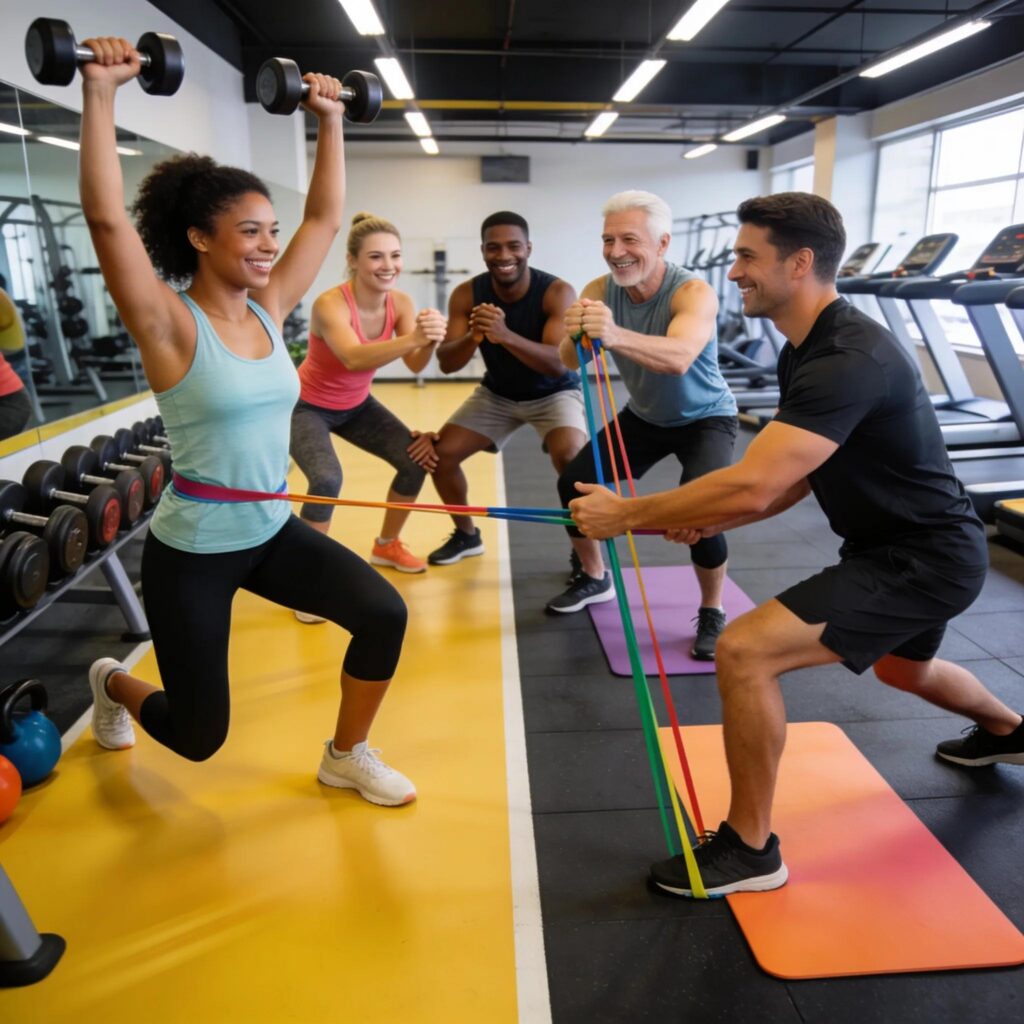
Small group personal training offers a unique blend of physical fitness improvements and mental health benefits. Primarily, these sessions foster an environment where individuals can receive personalized attention while also experiencing the motivational boost that comes from working alongside peers. This combination supports varied fitness levels and encourages consistency among participants.
How Does Small Group Training Improve Fitness and Health Outcomes?
Research shows that small group training can significantly enhance fitness levels compared to traditional solo workouts. With focused guidance from a personal trainer, participants can achieve better health outcomes, including improved strength and cardiovascular fitness. Notably, group training environments encourage participants to push their limits and adhere to their fitness routines more effectively. The trainer’s presence and feedback further enhance performance through tailored exercise regimens that build on individual capabilities.
What Are the Mental Health Advantages of Community-Based Workouts?

Engagement in community-based workouts significantly impacts mental health, leading to reduced anxiety and improved moods. The social aspect inherent in small group training creates a support system that encourages emotional resilience, fostering a sense of belonging among participants. This sense of community can be particularly beneficial for individuals dealing with feelings of isolation or low self-esteem, as shared experiences promote camaraderie and encouragement among peers.
How Does Community Fitness Enhance Motivation and Accountability in Group Sessions?
The dynamics of a small group setting greatly enhance motivation and accountability among participants. Group fitness sessions inherently foster a sense of obligation; individuals are less likely to skip workouts when others are counting on them. This collective commitment is a driving force that instills dedication to personal fitness goals.
In What Ways Does Social Support Boost Workout Adherence?
Social support plays a critical role in maintaining workout adherence. Studies have shown that individuals participating in group fitness classes report higher rates of consistency in their exercise routines compared to working out alone. The camaraderie within the group can lead to shared goals, where members motivate one another, creating an environment conducive to long-term fitness commitment.
Indeed, fostering a sense of community is crucial for participant adherence, making group exercise programs particularly effective.
Community Engagement for Adherence in Group Exercise
Community engagement has helped facilitate participant adherence, which is particularly applicable for group exercise programs. Developing a sense of community (SOC) helps participants feel that they belong and provides ongoing social support.
Incorporating a sense of community in a group exercise intervention facilitates adherence, KM Heinrich, 2022
What Role Does Group Dynamics Play in Sustaining Fitness Goals?
Effective group dynamics not only enhance individual commitment but also contribute to overall success in achieving fitness goals. Positive interactions within the group can lead to increased motivation, while effective conflict resolution fosters a supportive environment. Groups that work well together tend to celebrate successes collectively, which strengthens bonds and encourages further participation, driving continuous improvement.
What Criteria Should You Use to Choose the Right Small Group Personal Training Program?
Selecting the right small group personal training program requires careful consideration of multiple factors. First and foremost, participants should evaluate the qualifications and certifications of the trainers leading the sessions. This ensures that they receive a safe and effective training experience tailored to their groups’ specific needs.
How Do Trainer Qualifications and Certification Impact Training Quality?
The qualifications and certifications of trainers have a direct impact on the quality of training. Certified trainers often employ proven methodologies and techniques based on their education and practical experience. Recognizing certification standards, such as those from recognized fitness organizations, can provide insight into expected training quality.
What Is the Ideal Trainer-to-Client Ratio for Effective Small Group Sessions?
An effective small group training program typically maintains a trainer-to-client ratio that allows for personalized attention. Research suggests that a ratio of 1:6 is often ideal, ensuring that each participant receives adequate support and guidance. This balance enhances individual engagement and maximizes fitness gains, as trainers can tailor workouts based on each participant’s abilities.
What Are Typical Pricing Models and Scheduling Structures for Small Group Fitness Classes?
Understanding pricing models and scheduling structures is essential for potential participants to make an informed decision. Many programs offer a variety of pricing strategies to fit different budgets and accessibility needs, with transparent communication about the value offered by these sessions.
How Do Different Pricing Strategies Affect Accessibility and Value?
Pricing strategies can significantly influence accessibility for different demographics. Programs that offer tiered pricing or discounts for commitment to extended sessions often cater to a wider audience, making fitness more accessible without compromising the quality of service provided. Studies have shown that perceived value is directly linked to pricing transparency, reinforcing the importance of clear communication in fitness offerings.
What Is the Standard Session Length and Frequency in Small Group Training?
Standard practices in small group training often involve sessions that last approximately 60 minutes, with a frequency of two to three times per week. These sessions strike a balance that allows participants to establish consistency while providing sufficient recovery time to maximize benefits. Regular engagement at this frequency has been shown to enhance overall fitness levels and promote sustained motivation.
How Are Small Group Personal Training Workouts Structured for Optimal Results?
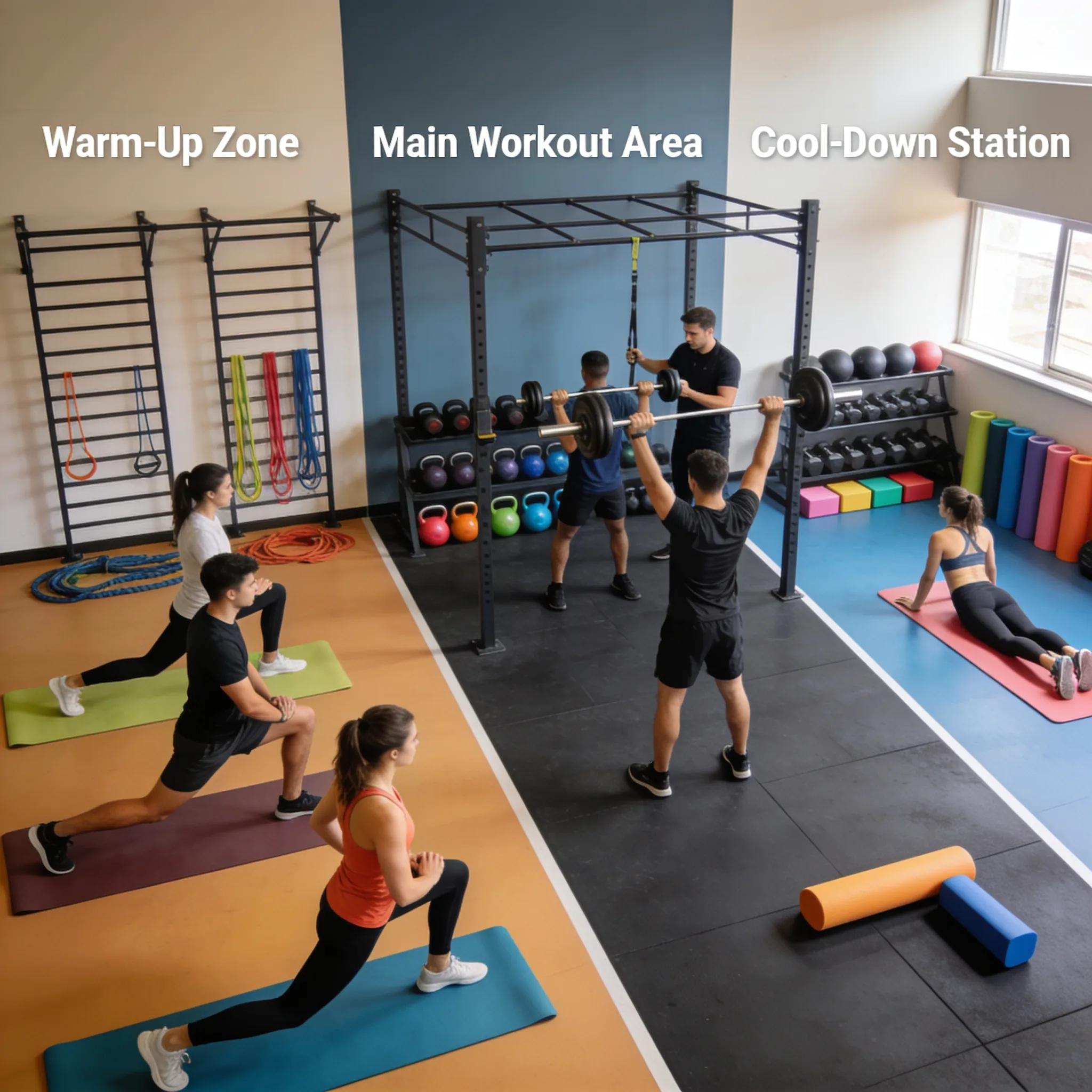
Structuring small group personal training workouts effectively is key to achieving the desired fitness outcomes. A well-rounded training session will typically include a mix of warm-up, strength training, and cool-down phases that work synergistically to promote physical fitness.
What Does a Typical Training Session Breakdown Include?
A typical training session might be structured as follows:
- Warm-up (10 minutes): Preparing the body for higher intensity activity.
- Main Workout (40 minutes): Focused on strength and cardiovascular training tailored to participants’ needs.
- Cool-down (10 minutes): Gradually lowering heart rate and promoting flexibility through stretching.
Such a structure ensures not only physical engagement but also reduces the risk of injury, promoting a safe training environment.
How Are Exercises Adapted for Varied Skill Levels Within the Group?
Trainers skilled in small group settings are adept at adapting exercises for varying fitness levels. They might provide multiple options for each exercise, allowing participants to choose the intensity that suits them best. This approach fosters inclusion, where individuals can challenge themselves without feeling overwhelmed or outpaced by their peers.
What Evidence Demonstrates the Effectiveness of Small Group Personal Training?
A growing body of evidence supports the effectiveness of small group personal training compared to traditional workout methods. These studies shed light on the measurable improvements participants can expect from committing to a small group training program.
What Do Recent Studies and Industry Reports Reveal About Growth and Outcomes?
Recent studies indicate a significant rise in participation rates in small group training programs, coupled with improved health outcomes across demographics. Data analyses show that individuals report better weight loss results and fitness gains through structured group settings than through solitary exercise routines.
How Do Client Testimonials Reflect Measurable Fitness Improvements?
Client testimonials often provide insight into the effectiveness of small group personal training. Many participants share transformative experiences of enhanced strength, endurance, and overall fitness levels. These narratives not only highlight individual successes but also illustrate the positive impacts of community support within training environments.
Different pricing strategies and training formats impact participant engagement and success.
| Pricing Model | Session Length | Frequency | Featured Value |
|---|---|---|---|
| Standard | 60 minutes | 2-3 times per week | Consistency in engagement |
| Tiered | 60 minutes | 1-5 times per week | Flexibility for commitment levels |
| Premium | 90 minutes | Weekly | Additional focus on specialized training |
These insights clarify how variations in pricing and scheduling influence the participation dynamics of the fitness community, ultimately shaping the success of individual fitness goals.
Frequently Asked Questions
How can I find the right small group personal training program for my fitness needs?
Finding the right small group personal training program begins with identifying your specific fitness goals and preferences. Research local gyms and studios, read reviews, and ask about the qualifications and approach of trainers. Consider visiting classes to assess the environment and see if it suits your personality and motivation style. Additionally, evaluate the group dynamics and how compatible they are with your training objectives, as a supportive community can significantly enhance your experience.
What safety measures should be in place during small group training sessions?
Safety measures in small group training sessions should include certified trainers who are trained in first aid and CPR, proper equipment usage guidelines, and thorough warm-up and cool-down routines. It’s crucial that trainers assess participants’ health histories to tailor exercises and prevent injuries. Facilities should also maintain cleanliness, ensure equipment is in good working condition, and have protocols for emergencies to enhance participant safety during workouts.
Can small group personal training benefit older adults?
Absolutely! Small group personal training can be particularly beneficial for older adults as it offers a supportive environment that fosters camaraderie and motivation. Tailored workouts can address the unique fitness needs of older participants, helping to improve strength, balance, and flexibility while also enhancing social interaction. Many trainers are skilled in adapting exercises to accommodate varying levels of physical ability, making fitness both accessible and enjoyable.
How do group fitness sessions compare to one-on-one personal training?
Group fitness sessions offer a different experience compared to one-on-one personal training. While individual training provides personalized attention, small group sessions promote a sense of community and shared motivation that can enhance accountability. The energy and support among peers can encourage participants to push themselves, often leading to greater results. However, the effectiveness of either largely depends on personal preference and fitness goals.
What types of exercises are commonly included in small group training programs?
Small group training programs typically incorporate a variety of exercises that focus on strength training, cardiovascular conditioning, and flexibility. Common elements include resistance training, HIIT (high-intensity interval training), core exercises, and functional movements designed to improve everyday activities. Trainers often mix these components to keep workouts engaging and to target all major muscle groups, adapting exercises to suit the skill levels of participants. small group personal training
Is it necessary to have prior fitness experience before joining a small group training session?
No prior fitness experience is necessary to join a small group training session. Many programs cater to various fitness levels, from beginners to advanced participants. Trainers are skilled at assessing each individual’s capability and adapting sessions accordingly. However, it’s advisable to communicate your fitness background and any concerns with the trainer beforehand so they can tailor workouts to ensure safety and effectiveness for everyone involved.
Conclusion
Participating in small group personal training significantly enhances overall fitness and mental well-being while fostering community connections and motivation among participants. By selecting the right program with qualified trainers and a supportive environment, individuals can experience measurable improvements in strength, endurance, and overall health. This guide underscores the value of structured group workouts as an effective strategy for achieving personal fitness goals. Explore our local small group training programs today to find the community that supports your journey towards fitness success!