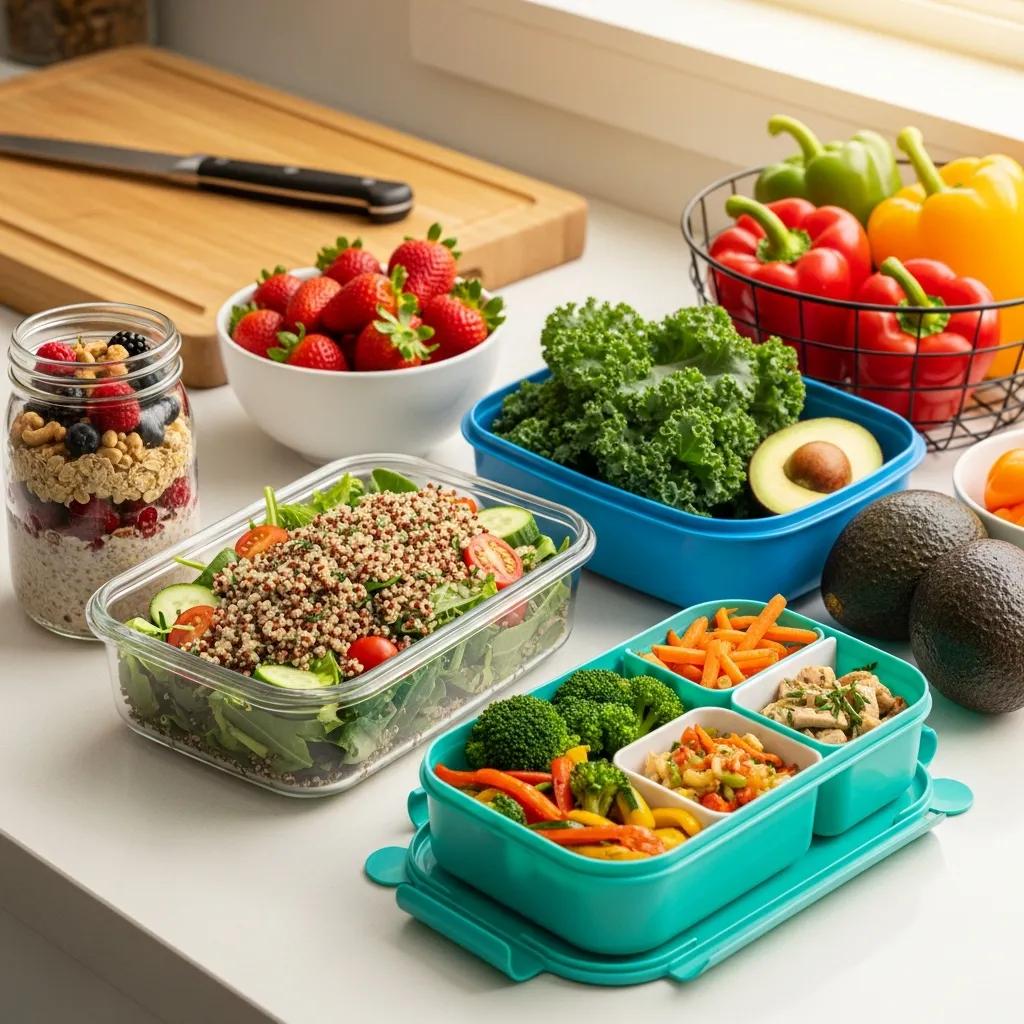
Meal prep doesn’t have to mean dry chicken, endless containers, or spending your entire Sunday in the kitchen. At ForgeCoach, we coach busy adults in West Windsor, NJ and Newtown, PA (and remotely) to use meal prep as a simple system—one that saves time, supports fat loss or muscle gain, and makes weekday nutrition almost automatic.
Meal prep works best when it’s simple, repeatable, and protein-forward—think batch cooking, make-ahead meals, and grab-and-go meals that support blood sugar balance, steady energy, and consistent results. Below are practical, high-success easy meal prep ideas you can rotate weekly, plus a plug-and-play plan you can follow even if you hate cooking.
Healthy eating gets hard when your calendar is packed. That’s why meal prep is one of the most practical strategies for a busy lifestyle—it turns good intentions into ready-to-eat options you can rely on when time is tight.
If you’re just getting started, don’t worry—meal prep isn’t about eating the same bland food all week. It’s about building a simple system: a few proteins, a few carbs, a few vegetables, and flavor options you actually enjoy. The goal is consistency, not perfection.
Internal link idea: If you offer nutrition coaching or fitness support, link here early: remote coaching
- Nutrition Coaching Services
- Personal Training Programs
- Healthy Habits Blog Hub
Why Meal Prep Works When Life Gets Busy
With a basic weekly meal prep plan, you reduce reliance on takeout, control portion sizes, and make it easier to hit high-protein meal prep targets—even on hectic weekdays.
When your schedule is packed, nutrition coaching usually fails for predictable reasons:
- You wait too long to eat → cravings spike → you grab whatever’s fastest
- You “wing it” for dinner → portions creep up → progress stalls
- You snack all day → protein stays low → hunger stays high
Meal prep fixes this by giving you ready-to-eat protein, fiber, and balanced carbs so you can make a healthy meal in 3–5 minutes. Meal prep helps you stay consistent because it reduces decision fatigue. When you’re hungry and exhausted, you’re more likely to choose whatever is fastest—not what supports your goals.
Meal prepping supports: nutrition coaching
- Better portion control
- More consistent protein intake
- Fewer ultra-processed convenience meals
- Lower food spending
- More stable energy throughout the day
For balanced eating guidance, a helpful reference is the Healthy Eating Plate model (simple and realistic):
- Healthy Eating Tips for Busy Schedules
- Beginner Guide to Meal Planning
In today’s fast-paced world, maintaining a healthy diet can be a challenge, especially for those with busy lifestyles. Meal prep offers a practical solution, allowing individuals to prepare nutritious meals in advance, saving time and ensuring healthy eating choices throughout the week. This article explores easy meal prep ideas that cater to beginners, highlighting simple recipes, essential tools, and the benefits of meal preparation for weight management and healthy eating.
By implementing these strategies, you can streamline your cooking process and enjoy delicious, healthy meals without the daily stress of cooking. We will cover beginner-friendly meal prep ideas, the role of meal prep in supporting weight management, quick recipes for busy weekdays, and effective storage methods to maximize freshness.
The 3-Level Meal Prep System
Level 1: No-Cook Meal Prep (10–15 minutes)
This is the “survive busy weeks” approach. You’re assembling, not cooking. nutrition coaching.
Easy combinations:
- Rotisserie chicken + bagged salad + microwave rice
- Greek yogurt + berries + granola
- Tuna packets + whole-grain crackers + cucumbers
- Cottage cheese + fruit + nuts
- Deli turkey wrap + pre-cut veggies + hummus
Why it works: minimal time, minimal cleanup, maximum consistency.
Level 2: Mix-and-Match Prep (45–75 minutes)
You prep ingredients once, then build different meals quickly.
Prep:
- 1–2 proteins
- 1 starch
- 1–2 veggie options
- 1–2 sauces
This approach supports variety without requiring you to cook daily. For more information on our coaching, visit programs.
Level 3: Full Meal Prep (90 minutes)
You cook complete meals, portion them, and reheat all week.
Best for:
- People who love structure
- Weeks you know will be chaotic
- Anyone who wants “grab, heat, eat” simplicity
If you also want the structure and consistency of coaching (training + nutrition working together), Forge’s Programs and Small Group Personal Training are built around accountability and long-term progress.
The Easiest Meal Prep Formula: Protein + Fiber + Carb + Fat
Topical terms to weave in:
- lean protein, complex carbohydrates, high-fiber foods, healthy fats, balanced meals, macro-friendly meals Example sentence: Build balanced meals by pairing lean protein with high-fiber foods and complex carbohydrates, then finishing with a small portion of healthy fats for long-lasting fullness.
Pick 2 Proteins, 2 Carbs, 3 Veggies
Instead of prepping 15 different recipes, build mix-and-match components.
Protein options (cook once, use all week):
- Sheet-pan chicken thighs or breasts
- Lean ground turkey or beef “taco” skillet
- Salmon or white fish (2–3 day batch)
- Eggs + egg muffins
- Greek yogurt + cottage cheese (no-cook)
- Tofu/tempeh (stir-fry batch)
Carb options:
- Rice or quinoa
- Roasted potatoes or sweet potatoes
- Oats (overnight oats / baked oats)
- Whole-grain wraps or pitas
- Beans/lentils
Veggies (choose quick-cook + raw):
- Roasted broccoli, peppers, zucchini
- Bagged salad kits + extra greens
- Frozen stir-fry mixes
- Cucumbers, carrots, cherry tomatoes
This “base prep” approach aligns with balanced-meal guidance like MyPlate (variety across food groups).
Easy Lunch Meal Prep Ideas for Workdays
1) Mason Jar Salads (that don’t get soggy)
Layer like this:
- dressing
- crunchy veg (cucumber, carrots, peppers)
- protein (chicken, chickpeas, tuna)
- greens on top
Shake when ready to eat.
2) Wrap Kits (assemble fresh in 2 minutes)
Instead of pre-building wraps (which can get soggy), prep the fillings: nutrition coaching
- sliced protein
- shredded lettuce
- tomatoes/onions
- sauce or hummus Keep tortillas separate.
3) Bento Box Lunches (no reheating needed)
Perfect if you snack and graze:
- protein (eggs, chicken, tofu, tuna)
- fruit
- veggies + dip
- crackers or pita
Easy Dinner Meal Prep Ideas (fast, healthy, repeatable)
1) Sheet Pan Meals (minimal dishes)
Throw protein + veggies + seasoning + olive oil on one tray and roast.
Combos:
- chicken + broccoli + sweet potato
- salmon + green beans + potatoes
- tofu + peppers + onions (fajita style)
2) Stir-Fry Base (5-minute dinners all week)
Prep:
- cooked protein
- chopped stir-fry veggies
- rice/noodles
- sauce (teriyaki, peanut, garlic-ginger)
Weeknight method: toss in a pan and heat for 5 minutes.
3) One-Pot Meals (big batch, big win)
Make once, portion out:
- turkey chili
- lentil soup
- chicken curry
- shredded salsa chicken
Want the accountability piece that makes consistency easier? These two Forge nutrition coaching resources connect training + nutrition support through group structure:
High-Protein Snack Prep Ideas (to stop random snacking)
Most “nutrition slip-ups” happen between meals. Prep snacks like you prep meals:
- Hard-boiled eggs (prep 6–12)
- Veggie + hummus cups
- Cheese + turkey + fruit packs
- Portion-controlled trail mix
- Smoothie freezer packs (frozen fruit + spinach; add protein when blending)
If you’re already searching for structured nutrition support, this related Forge post is a strong internal reference: Internal link: Discover Small Group Nutrition Coaching Near Me for Results
Budget-Friendly Meal Prep Staples
Healthy meal prep doesn’t require expensive ingredients. Build around: nutrition coaching
- eggs
- oats
- rice/potatoes/pasta
- frozen vegetables
- beans and lentils
- Greek yogurt
- canned tuna/salmon
- rotisserie chicken (for time savings)
What Essential Tools and Containers Do You Need?
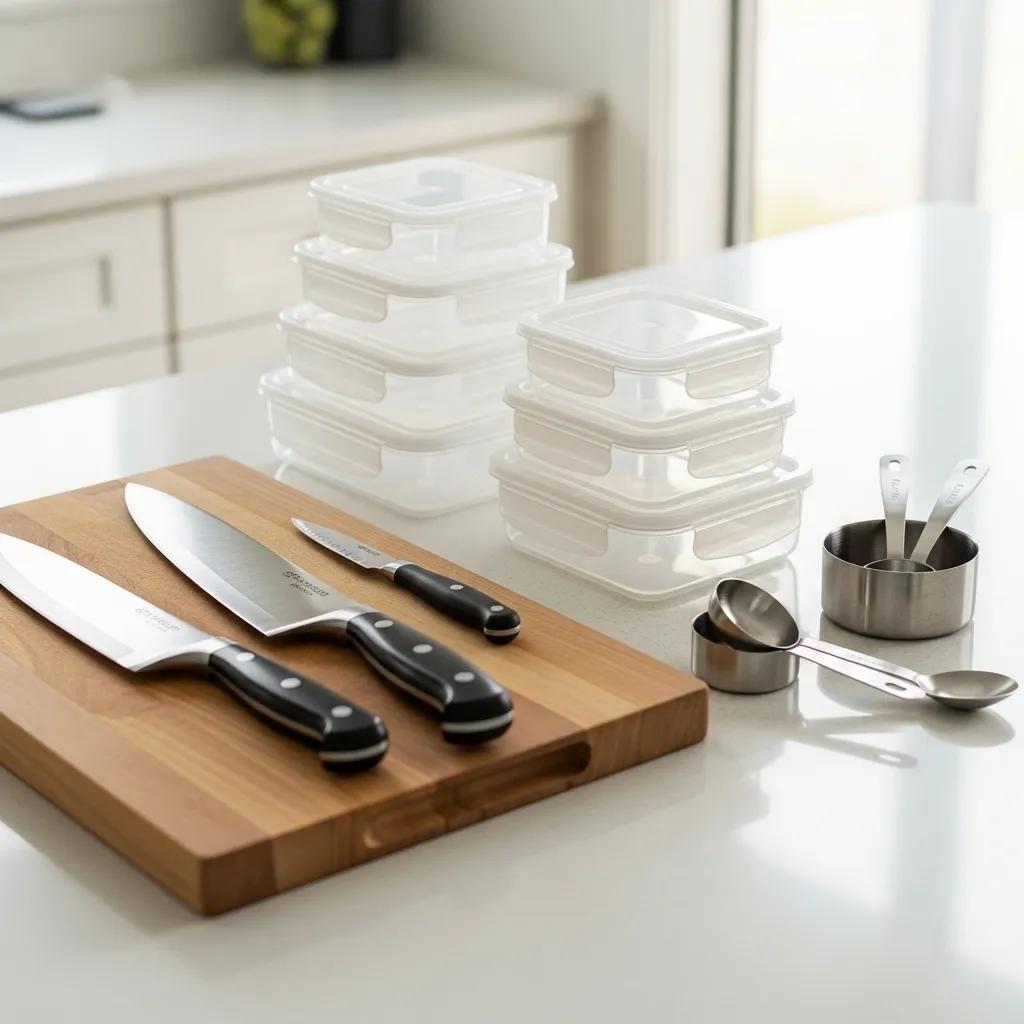
To make meal prep efficient, having the right tools is crucial. Here are some essential items:
- Meal Prep Containers: Look for BPA-free, microwave-safe containers that are easy to stack and store.
- Cutting Board and Knives: A good cutting board and sharp knives will make chopping vegetables and proteins much easier.
- Measuring Cups and Spoons: These are essential for portion control and ensuring you follow recipes accurately.
Investing in these tools can significantly streamline your meal prep process.
How Can Meal Prep Support Weight Management and Healthy Eating?
Meal prep is a powerful strategy for those looking to manage their weight and maintain a healthy diet. By planning and preparing meals in advance, you can make healthier choices and control portion sizes. nutrition coaching
How Does Portion Control Help Achieve Weight Management Goals?
Portion control is a critical aspect of weight management. By preparing meals in advance, you can ensure that each serving is appropriate for your dietary needs. Research shows that individuals who practice portion control are more likely to achieve their weight management goals.
What Are Nutritious, Balanced Meal Components to Include?
A balanced meal should include a variety of components:
- Proteins: Lean meats, beans, or legumes.
- Carbohydrates: Whole grains like brown rice or quinoa.
- Vegetables: A colorful mix of vegetables to provide essential vitamins and minerals.
Incorporating these components into your meal prep can help you maintain a balanced diet.
What Quick and Healthy Meal Prep Recipes Fit Busy Weekdays?
When weekdays get hectic, having quick meal prep recipes can save you time and stress. Here are some ideas that fit well into a busy schedule.
Which Breakfast Options Are Fast and Nutritious?
Consider these quick breakfast options:
- Smoothie Packs: Pre-pack fruits and greens in bags for easy blending in the morning.
- Egg Muffins: Whisk eggs with vegetables and bake them in muffin tins for a portable breakfast.
- Greek Yogurt Parfaits: Layer yogurt with granola and fruits for a nutritious start to your day.
These options are not only quick to prepare but also provide the energy needed to kickstart your day.
A Simple 60-Minute Meal Prep Plan (Beginner-Friendly)
- Protein: 2 lbs chicken (or tofu/turkey)
- Carb: rice or potatoes
- Veggies: roast 1–2 trays (broccoli, peppers, zucchini)
Make 2 sauces:
- Greek yogurt herb sauce
- Olive oil + vinegar + mustard vinaigrette
Assemble:
- 3 bowls (protein + carb + veggies + sauce)
- 2 salads
- 3 snack packs
If you want nutrition coaching that supports performance (not restrictive dieting), this Forge article is a relevant internal “next read”: nutrition coaching.
These meals can be prepared in bulk and stored for the week, making them perfect for busy days.
How Do You Store and Maximize Freshness of Meal Prepped Foods?
Meal prep only works if your food stays fresh and safe.
Basics:
- Refrigerate cooked food within 2 hours
- Most cooked meals keep 3–4 days in the fridge
- Freeze portions you won’t eat within that window
- Reheat until steaming hot
External resources (high authority):
- FoodSafety.gov – Leftovers & Food Safety
- FoodSafety.gov – Cold Food Storage Charts
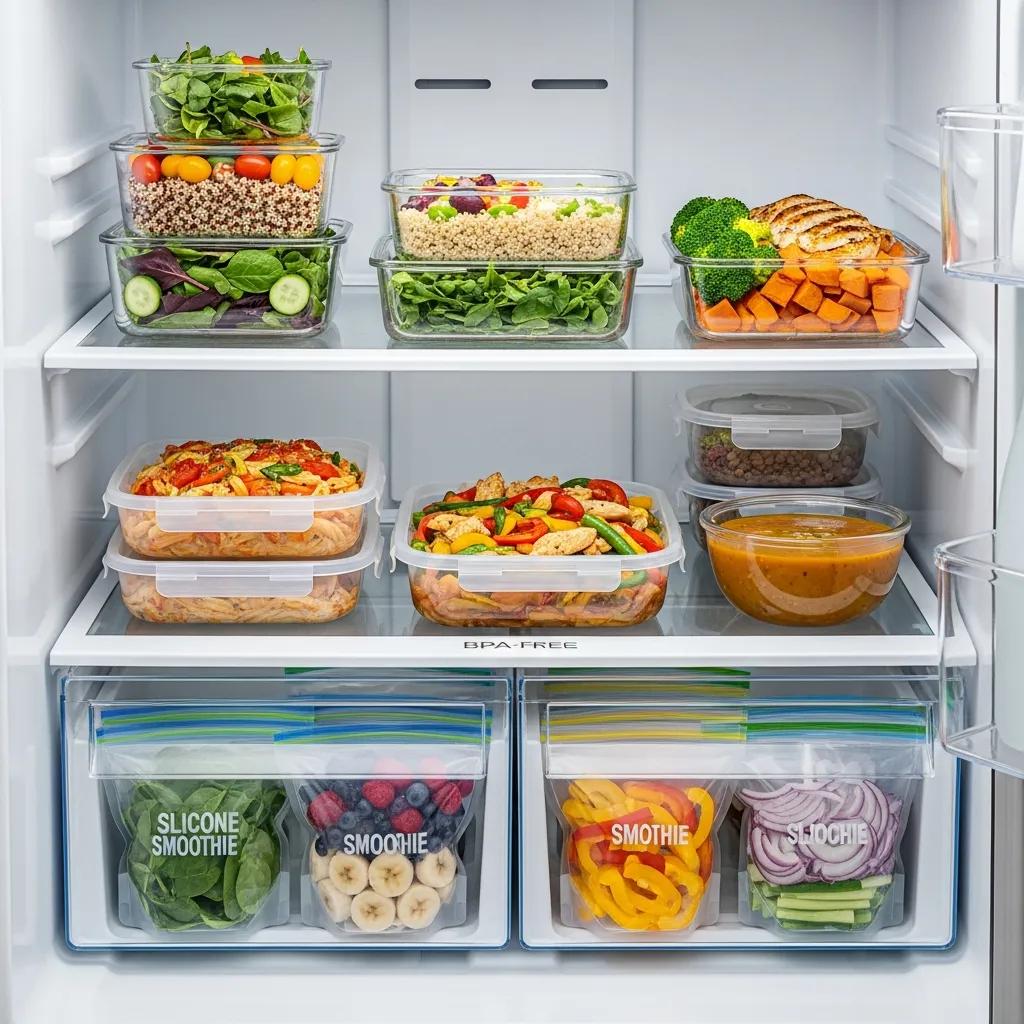
Proper storage is essential to maintain the freshness of your meal preps. Here are some effective methods to ensure your meals stay delicious throughout the week.
What Are the Best Containers for Meal Prep Storage?
Choosing the right containers can make a significant difference in food preservation. Consider these options:
| Container Type | Material | Benefits |
|---|---|---|
| Glass Containers | Glass | Microwave and oven safe, non-toxic |
| Plastic Containers | BPA-free plastic | Lightweight and stackable |
| Silicone Bags | Silicone | Reusable and flexible for various food types |
Using these containers can help keep your meals fresh and ready to eat.
How Long Can Meal Prep Meals Safely Last in the Fridge or Freezer?
Always label your containers with dates to keep track of freshness.
| Storage Method | Duration | Safety Tips |
|---|---|---|
| Fridge | 3-4 days | Store at or below 40°F (4°C) |
| Freezer | 2-3 months | Use airtight containers to prevent freezer burn |
| Room Temperature | 2 hours | Avoid leaving perishable foods out for extended periods |
This table summarizes the best practices for storing meal prepped foods, ensuring you enjoy them at their best quality.
Frequently Asked Questions
What are the benefits of meal prepping for busy individuals?
Meal prepping offers numerous benefits for busy individuals, including time savings, reduced stress, and improved dietary choices. By preparing meals in advance, you can avoid the daily hassle of cooking and make healthier food decisions. This practice also helps in portion control, which is essential for weight management. Additionally, having ready-to-eat meals can prevent impulsive eating and reliance on fast food, ultimately leading to better health outcomes and more energy throughout the week.
How can I make meal prep more enjoyable?
To make meal prep more enjoyable, consider involving family or friends in the process. Cooking together can turn meal prep into a fun social activity. Additionally, experimenting with new recipes and flavors can keep things exciting. Creating a meal prep playlist or setting a timer for challenges can also add a playful element. Lastly, organizing your kitchen and having a clean workspace can enhance your cooking experience, making it feel less like a chore and more like a creative outlet.
Are there any meal prep tips for beginners?
For beginners, start small by preparing just a few meals each week to avoid feeling overwhelmed. Choose recipes that require minimal ingredients and time. Invest in quality containers to keep your meals fresh and organized. Planning your meals ahead of time can also help streamline the process. Lastly, don’t hesitate to use leftovers creatively; they can be transformed into new dishes, reducing waste and saving time in the kitchen.
What are some common mistakes to avoid in meal prepping?
Common mistakes in meal prepping include overcomplicating recipes, which can lead to burnout, and not properly labeling containers, resulting in confusion about what meals are available. Additionally, failing to consider food safety can lead to spoilage. It’s also important to avoid preparing meals that you may not enjoy eating later. Lastly, not having a clear plan for storage can lead to wasted food, so ensure you have enough space in your fridge or freezer for your prepped meals.
How can I incorporate variety into my meal prep?
Incorporating variety into your meal prep can be achieved by rotating different proteins, grains, and vegetables each week. Try to explore various cuisines and cooking methods to keep meals interesting. You can also use different sauces and seasonings to change the flavor profile of similar ingredients. Preparing a mix of cold and warm meals can add diversity to your weekly menu. Lastly, consider theme nights, such as Taco Tuesday or Stir-Fry Friday, to make meal prep more engaging.
What are some healthy snacks I can prepare in advance?
Healthy snacks that can be prepared in advance include energy balls made from oats, nut butter, and seeds, which are easy to grab on the go. Veggie sticks paired with hummus or guacamole provide a nutritious crunch. Greek yogurt with fruit and nuts can serve as a satisfying snack. Additionally, portioning out nuts or trail mix into small containers can help with portion control. These snacks are not only healthy but also convenient for busy days, ensuring you stay energized.
Sustainable Strategies for Long-Term Healthy Eating
Meal prep is an effective strategy for busy individuals, transforming healthy eating into a manageable routine that saves time and reduces stress. By planning and preparing meals in advance, you can enjoy better portion control, consistent nutrition, and a wider variety of meals throughout the week. Embrace the simplicity of meal prep to support your health goals and enhance your daily energy levels. Start your meal prep journey today by exploring our nutrition coaching services for personalized guidance.