
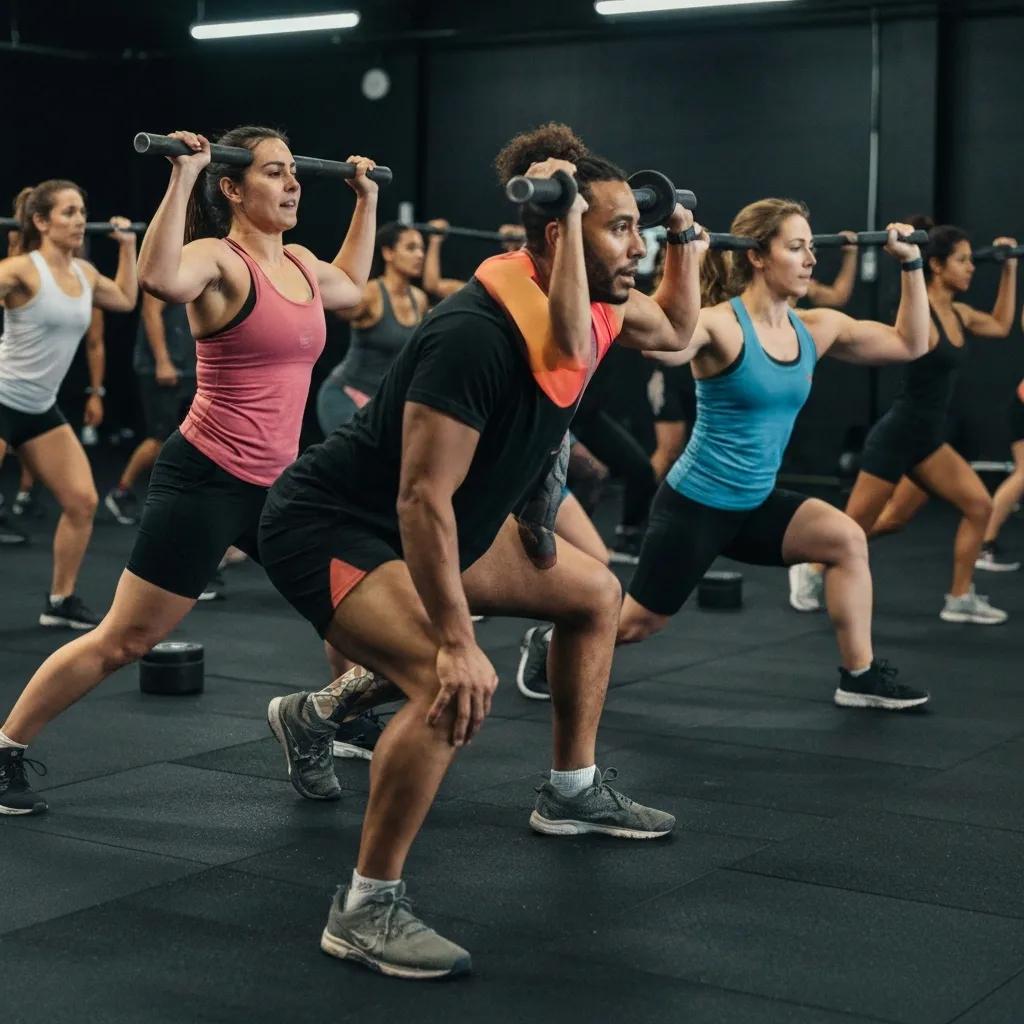
Forge is a local fitness provider in Newtown offering structured workout classes designed to develop measurable strength while also building everyday confidence through coached progression and group support. This article explains how specific training mechanisms — like progressive overload, technique coaching, and consistent programming — create physical gains, and how parallel psychological pathways — including mastery, social reinforcement, and mood improvement — translate those gains into greater self-assurance. Readers will learn which class formats map best to particular goals, what to expect from sessions that prioritize strength, how community dynamics support mental well-being, and practical steps to start training locally. The guidance combines exercise-science logic with actionable comparisons so you can choose between personal training, small group personal training, or larger group classes in Newtown. Throughout, targeted phrases such as Workout Classes in Newtown, Small Group Personal Training in Newtown, and Personal Training in Newtown are integrated to keep the local intent clear. By the end you will understand both the physiological mechanisms and the simple next steps to begin a strength-and-confidence program tailored to your needs.
Why Are Forge’s Workout Classes in Newtown Ideal for Building Strength?
Forge’s local workout classes in Newtown promote strength by combining progressive loading, frequent practice of compound movements, and hands-on coaching that protects technique while increasing workload. These mechanisms drive neuromuscular adaptations and hypertrophy: progressive overload forces muscle fibers to adapt, compound exercises recruit multiple joints for efficient strength gains, and coached correction improves motor patterns for safer, faster progress. Understanding which class format delivers each mechanism helps people choose the fastest path to measurable strength improvements. Below is a concise list of the core mechanisms that produce strength and why they matter.
- Progressive overload increases muscle force production by gradually raising resistance or volume.
- Technique coaching reduces injury risk and improves neural recruitment for stronger lifts.
- Consistent frequency and periodization create long-term adaptations rather than short-term spikes.
Research indicates that progressive overload is a cornerstone of strength training, and studies have explored different methods of implementing it. strength training rules
These mechanisms form a reliable process for gaining strength, and the next section breaks down the class formats that implement them practically in Newtown.
What Types of Strength Training Does Forge Offer in Newtown?
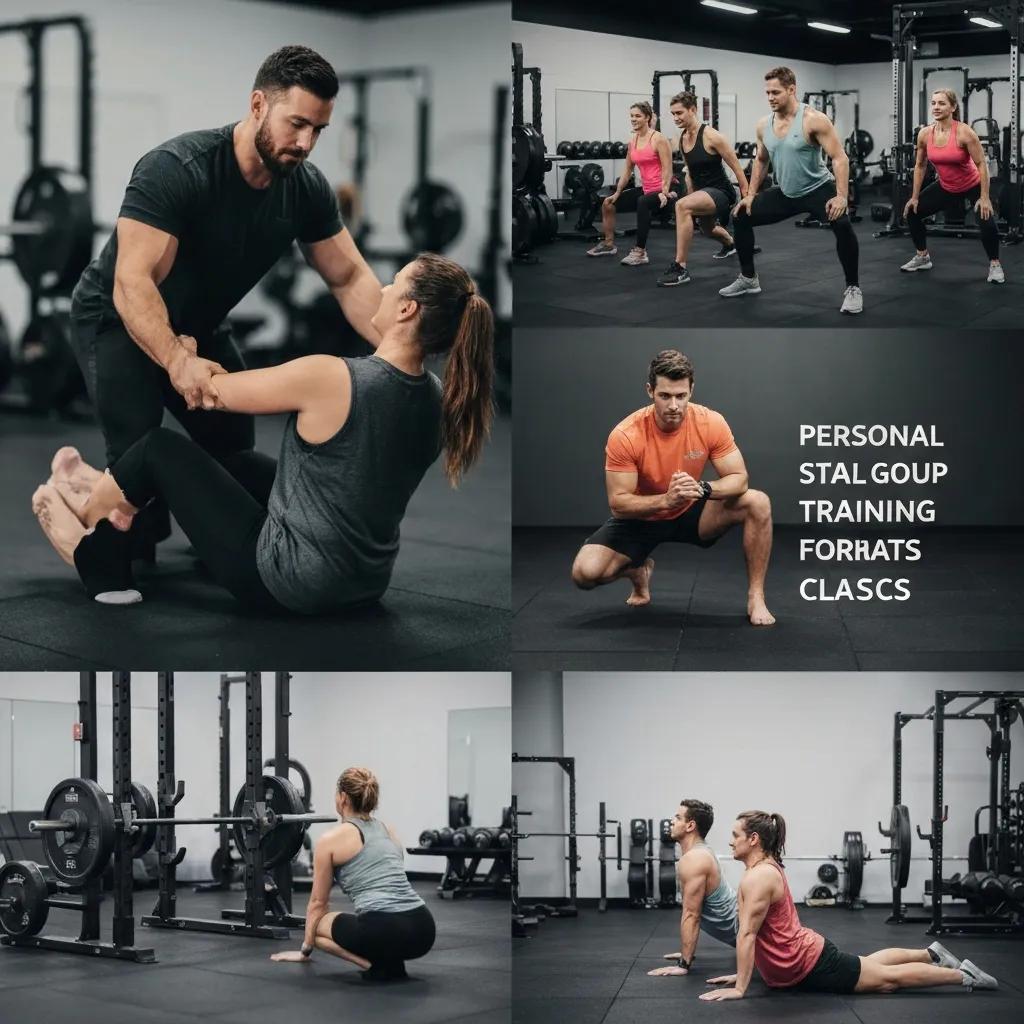
Forge provides several training formats that emphasize strength in different ways: one-on-one personal training, small group personal training, and strength-focused group classes that integrate functional resistance work. Personal training offers highly tailored load prescription and movement screening suited for beginners or athletes recovering from setbacks, while small group personal training combines individualized progress within a 3–8 person cohort to balance personalization and peer motivation. Strength-focused group classes typically emphasize compound lifts, kettlebell and barbell variations, and progressive session templates that scale by ability. Example exercises you’ll commonly see include squats, deadlift variations, and pressing patterns chosen for transfer to daily activities and athletic performance.
How Do Forge’s Classes Improve Physical Strength Effectively?
Classes at Forge translate physiological principles into session design by using progressive plans, clear exercise selection, and tracked progression to elicit neuromuscular adaptation and muscle growth. Trainers cue form, adjust loads, and prescribe progressive sets/reps or intensity increments so adaptation follows a measurable roadmap rather than guesswork. Progress tracking (e.g., load increases, rep improvements) gives objective markers such as heavier lifts or faster tempos that signal genuine strength gains. Together, deliberate exercise selection and coach feedback accelerate safe progress and reduce plateaus, making strength gains more reliable across experience levels.
Different training formats deliver these outcomes in specific ways; the table below summarizes how class formats compare for decision-making.
| Class Format | Typical Class Size | Personalization Level | Typical Strength Outcome |
|---|---|---|---|
| Personal Training | 1:1 | High (custom program) | Fastest measurable strength gains |
| Small Group Personal Training | 3–8 | Moderate-High (group plan, individualized scaling) | Strong gains + social support |
| Strength-Focused Group Class | 10+ | Low-Moderate (scalable programming) | Gradual gains through consistency |
Further research has investigated the specific mechanisms of progressive overload, comparing the effectiveness of increasing load versus repetitions.
How Do Forge’s Workout Classes in Newtown Enhance Confidence and Mental Well-being?
Exercise produces immediate mood lifts through endorphin and neurotransmitter responses and yields longer-term confidence through skill mastery, visible progress, and social belonging. Physiologically, moderate-to-intense exercise increases endorphins and serotonin, which reduce stress and improve mood the same day. Psychologically, consistent success with progressive loads and measurable performance markers transforms self-perception from “I can try” to “I can do,” strengthening self-efficacy. Socially, training with peers and receiving coach acknowledgement reinforces identity as a capable person, which generalizes into daily confidence. The list below outlines the principal psychological pathways and how they combine to enhance mental well-being.
- Endorphin and neurotransmitter boosts that improve immediate mood and focus.
- Mastery and competence from hitting strength milestones that raise self-efficacy.
- Social support and accountability that foster belonging and reduce anxiety.
Together these mechanisms explain why regular training improves both how people feel and how they see themselves, and the next subsection explains how community structures amplify those effects.
What Is the Connection Between Exercise and Increased Self-Confidence?
Regular strength training links directly to confidence by building competence through repeated, measurable achievements; each successful training session reinforces skill, resilience, and a sense of control. Recent research and practice indicate that short-term mood improvements from exercise complement longer-term identity shifts produced by consistent progress and goal attainment. For example, increasing a working set weight or mastering a technical lift provides objective evidence of improvement that transfers to other life areas. Goal-setting and small wins create momentum: as physical capabilities rise, so does the willingness to take on new challenges, which magnifies confidence beyond the gym.
The concept of mastery, particularly in the context of exercise, is a key factor in building self-efficacy and confidence.
How Does Forge Foster a Supportive Community to Boost Confidence?
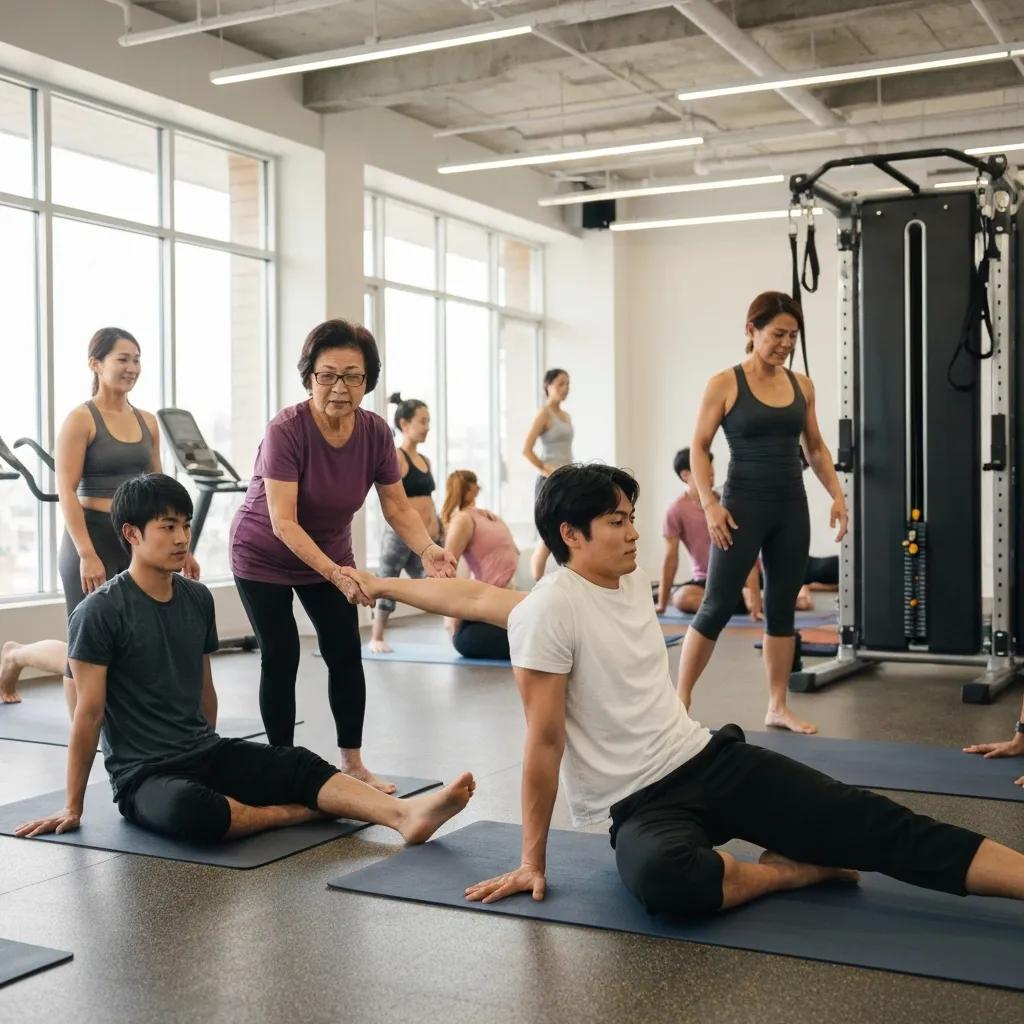
Forge’s class formats intentionally use coach-led encouragement, small cohorts, and consistent partner or group interactions to make social reinforcement part of the training process. Small group sessions create predictable peer exposure where members model effort and celebrate progress, reducing anxiety about performance while increasing attendance and effort. Coaches provide structured feedback loops—clear cues, progress checks, and short-term goals—that help members internalize success and build confidence incrementally. This structured community approach turns individual strength improvements into social validation, accelerating psychological benefits alongside physical gains.
What Makes Forge’s Personal and Small Group Training in Newtown Unique?
Forge differentiates formats by blending measurable personalization with group dynamics to accelerate strength and confidence simultaneously. Personal training prioritizes individualized assessment and progressive overload tailored to movement screens and personal goals, while small group training preserves much of that personalization through scalable variations delivered in a social, cost-efficient package. The contrast between formats helps local clients decide how much hands-on coaching they need versus the motivational benefits of training with peers. Below is a compact comparison table illustrating differences in attention, cost-efficiency proxies, and expected timelines for strength and confidence outcomes.
| Format | Attention | Social Support | Typical Timeline for Gains |
|---|---|---|---|
| Personal Training | Very high | Low | 6–12 weeks for early strength markers |
| Small Group Training | Moderate | High | 8–16 weeks with consistent attendance |
| Group Classes | Low-Moderate | Moderate-High | 12+ weeks for steady improvement |
How Does Personalized Training Accelerate Strength and Confidence Gains?
Personalized training starts with an assessment—movement screens, baseline strength checks, and clear goal setting—that identifies limiting factors and prescribes targeted progressions. Tailored programs adjust load, exercise selection, and recovery to each client’s capacities, accelerating neuromuscular adaptation without unnecessary risk. Ongoing, specific feedback builds competence quickly; knowing why a movement is prescribed and seeing objective improvement strengthens self-efficacy. This focused loop—assess, program, execute, measure—reduces trial-and-error and speeds both physical and psychological results.
Why Is Small Group Training Effective for Building Strength and Social Confidence?
Small group training combines the benefits of individualized scaling with a social environment that raises adherence and effort through peer modeling and shared goals. Participants observe peers executing progressions, which normalizes challenge and reduces fear of failure; healthy competition and mutual encouragement increase intensity and consistency. Smaller coach-to-client ratios retain technical oversight while creating peer accountability that improves attendance and commitment. The shared timeline for progress turns individual wins into group momentum, reinforcing both strength gains and social confidence.
How Can You Join Forge’s Workout Classes in Newtown to Start Your Strength and Confidence Journey?
Getting started locally involves choosing a formal that fits your schedule and goals, attending an introductory session for baseline assessment, and committing to a short progression cycle with measurable targets. The simplest steps are: decide whether you want one-on-one focus, the balance of small group training, or the energy of group classes; attend an intake or trial session to establish baseline metrics; and follow a 6–12 week progression plan with scheduled check-ins. Below is a quick-reference table summarizing class options, typical cadence, and target outcomes to guide selection.
| Class Name | Typical Cadence | Target Outcome | How to Start |
|---|---|---|---|
| Personal Training | Variable sessions/week | Rapid individualized strength | Book an introductory assessment |
| Small Group Personal Training | Recurring 2–3x/week | Balanced strength + community | Join a recurring cohort |
| Strength-Focused Group Class | Multiple weekly slots | Consistent progressive strength | Try a drop-in class |
What Are the Available Class Options and Schedules at Forge Newtown?
Available formats include one-on-one personal training, small group personal training, and strength-focused group classes that repeat on a weekly schedule to ensure progressive stimulus and recovery. Each format is designed with a cadence that supports progressive overload—multiple weekly touchpoints for most clients—so adaptation can occur without overreach. Newcomers typically begin with an introductory assessment to set baselines and pick the format that best fits their life and goals. If you prefer focused coaching and rapid adaptation, personal training is the most direct route; if you value social support while still receiving individualized scaling, small group training is often the best compromise.
How Do Forge’s Certified Trainers Support Your Fitness and Confidence Goals?
Forge’s trainers provide assessments, coaching cues, load progression, and accountability—core functions that translate training stimulus into measurable strength and emerging confidence. Trainers observe movement quality, correct technique in real time, and modify loads to ensure progression is safe and effective, which builds competence and reduces fear. They also set short-term goals and celebrate objective improvements, turning physiological gains into psychological wins. While specific certifications are not listed here, trainers operate within standard industry practices to support client safety, progression, and motivation.
- Choose a format: Match your goal to personal, small group, or group classes.
- Book an intro: Attend an assessment or trial to set baselines and expectations.
- Commit to a plan: Follow a 6–12 week progression with scheduled check-ins.
For local readers ready to begin, Forge offers Workout Classes, Small Group Personal Training, and Personal Training in Newtown, PA that align with the mechanisms and pathways described above. Consider an introductory session to establish baselines and a simple progression plan tailored to your goals.
Frequently Asked Questions
What should I wear to Forge's workout classes?
When attending Forge’s workout classes, it’s important to wear comfortable, breathable clothing that allows for a full range of motion. Opt for moisture-wicking fabrics to help keep you dry during intense workouts. Supportive athletic shoes are essential to provide stability and prevent injuries. Additionally, consider bringing a water bottle to stay hydrated and a towel for personal comfort. Dressing appropriately not only enhances your performance but also contributes to a positive workout experience.
Are there any age restrictions for joining the classes?
Forge welcomes individuals of all ages to participate in their workout classes. However, specific age restrictions may apply depending on the class format. Generally, minors may need parental consent to join certain sessions, especially personal training. Forge encourages a supportive environment for all fitness levels, so whether you’re a beginner or an experienced athlete, there are suitable options available to help you achieve your strength and confidence goals.
How can I track my progress in the classes?
Tracking your progress at Forge is facilitated through regular assessments and feedback from trainers. Each class includes opportunities to measure improvements in strength, endurance, and technique. Trainers will help you set specific, measurable goals and provide updates on your performance over time. Additionally, Forge encourages participants to keep personal logs of their workouts, noting weights lifted, repetitions completed, and personal milestones achieved, which can further motivate and guide your fitness journey.
What if I have previous injuries or health concerns?
If you have previous injuries or health concerns, it’s crucial to communicate this with your trainer before starting any classes at Forge. Trainers are trained to modify exercises and create personalized programs that accommodate individual needs and limitations. They will assess your condition and ensure that your workout plan is safe and effective, allowing you to build strength without risking further injury. Always prioritize your health and safety by discussing any concerns upfront.
Can I switch between different class formats?
Yes, Forge allows participants to switch between different class formats based on their evolving fitness needs and preferences. Whether you start with personal training and later transition to small group sessions or strength-focused classes, the flexibility is designed to enhance your experience. It’s recommended to discuss your goals with a trainer, who can help you determine the best format for your current stage and ensure a smooth transition that aligns with your fitness journey.
What is the cancellation policy for classes?
Forge has a cancellation policy that typically requires participants to notify the gym at least 24 hours in advance if they need to cancel a scheduled class or personal training session. This policy helps ensure that trainers can manage their schedules effectively and accommodate other clients. Familiarizing yourself with the specific cancellation terms is important, as they may vary by class format or membership type. Always check with the front desk or your trainer for the most accurate information.
Are there any membership options available?
Forge offers various membership options to cater to different fitness needs and preferences. Memberships may include access to personal training, small group training, and strength-focused group classes. Each option typically comes with its own pricing structure and benefits, such as discounted rates for longer commitments or package deals. It’s advisable to inquire directly with Forge staff to find the membership that best suits your goals and budget, ensuring you get the most value from your fitness journey.
Conclusion
Joining Forge’s workout classes in Newtown empowers you to build both strength and confidence through structured training and community support. By understanding the mechanisms of progressive overload and the psychological benefits of exercise, you can achieve measurable results that enhance your overall well-being. Take the first step towards your fitness journey by booking an introductory session today. Discover how Forge can help you transform your strength and self-assurance in a supportive environment.