
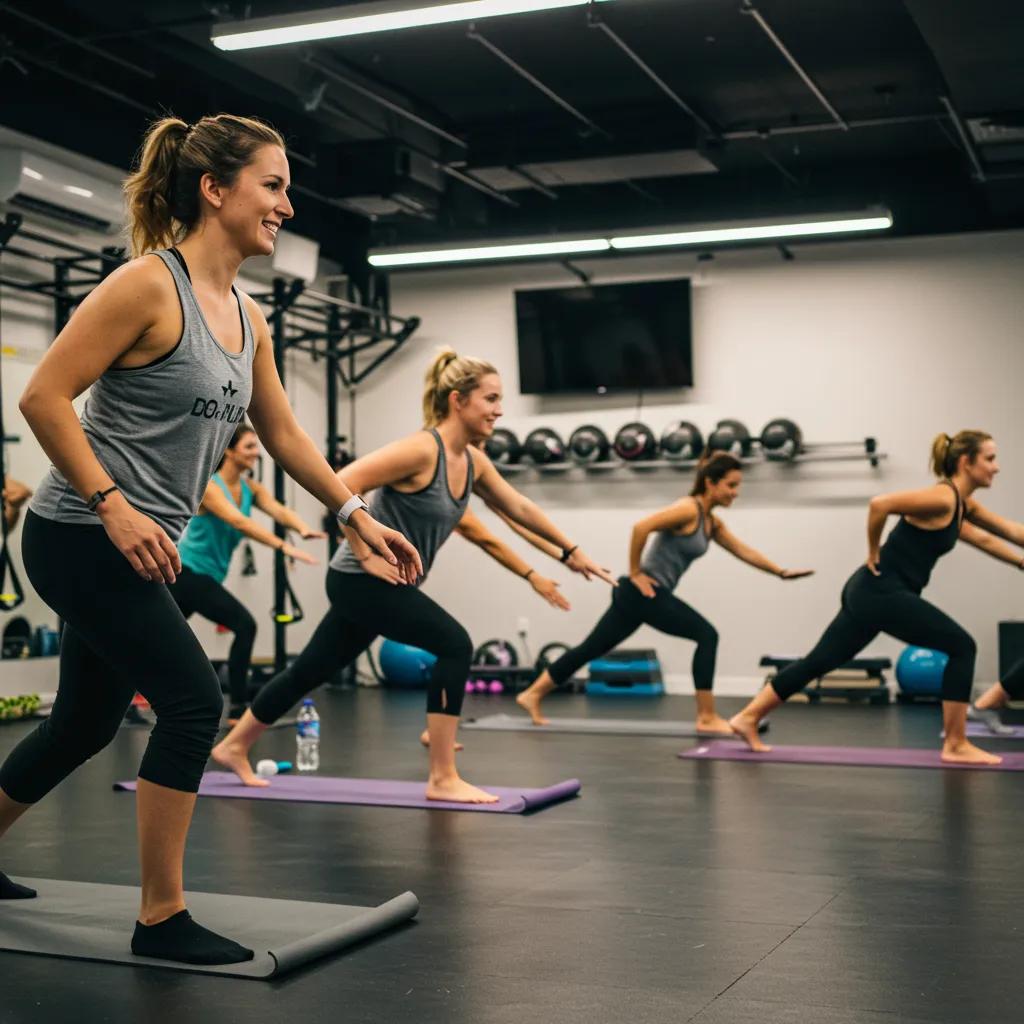
West Windsor residents increasingly choose small group workout classes because these sessions blend personalized coaching with the energy of a close-knit community, delivering measurable fitness gains without the impersonality of large classes. This article explains what small group training looks like, why it works for local residents, and how consistent participation produces results in strength, endurance, and habit formation. Readers will learn the defining features of small group formats, the specific benefits residents report, how certified trainers structure safe progressions, practical steps to join classes, and how community dynamics support long-term adherence. The coverage emphasizes evidence-backed mechanisms—peer accountability, progressive overload, and trainer-led modifications—while weaving in how provides this service model in West Windsor. By the end, prospective participants will understand how small group training compares to one-on-one and large-group formats and what to expect when exploring classes in the neighborhood.
What Are Forge’s Small Group Workout Classes in West Windsor?
Small group workout classes are structured sessions that deliver trainer-led programming to modest-sized cohorts so individuals receive tailored coaching within a communal format. This design works because trainers can observe technique, prescribe scaled options, and use peer pacing to increase effort, which combines the expertise of with cost-efficient group delivery. As a result, participants get targeted instruction, regular progress checks, and the motivational lift from exercising alongside neighbors. This balance explains why small group training is well-suited for West Windsor residents seeking both personalization and community in their fitness routine.
How Do Forge’s Classes Offer Personalized Group Fitness?
Personalization in small groups happens through observation, scaling, and periodic assessments that let trainers adjust intensity and movement choices for each participant. Trainers cue technique, offer regressions and progressions, and use simple metrics—reps, load, perceived exertion—to individualize difficulty while preserving class flow. These adaptations reduce injury risk and accelerate gains because every participant works at an appropriate challenge level even when following the same session plan. Understanding these mechanisms clarifies how group formats can still deliver the attention usually associated with .
What Types of Workouts Are Included in Forge’s Small Group Classes?
- Strength-focused sessions: Build muscle and improve functional load capacity through progressive resistance.
- Cardio or conditioning work: Improve stamina and metabolic rate with structured intervals or steady-state efforts.
- Mobility and recovery: Enhance joint range of motion and support consistent training through targeted mobility drills.
- Hybrid formats (strength + conditioning): Combine resistance and metabolic work for efficient, goal-oriented sessions.
What Benefits Do West Windsor Residents Experience from Forge’s Small Group Training?
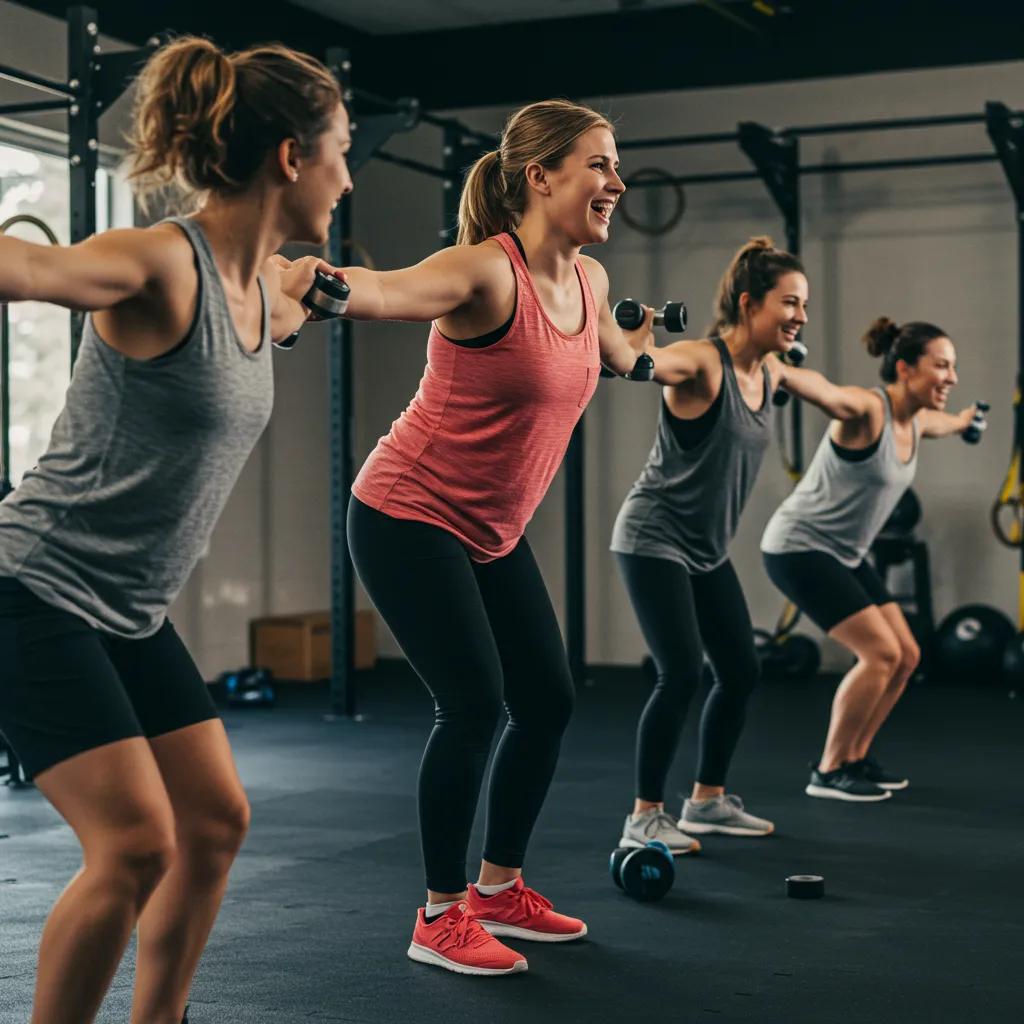
Small group training delivers social motivation, individualized progression, cost-effective coaching, and measurable fitness outcomes—benefits that many participants cite as reasons to join. The group structure increases adherence through shared routines and visible peer progress, while trainer oversight keeps programming safe and effective. Economically, the format spreads trainer expertise across multiple members, making higher-quality coaching more accessible than exclusive one-on-one sessions. Collectively, these attributes create a practical path to strength, weight management, and sustainable exercise habits for local residents.
| Benefit Type | Key Attribute | Typical Outcome |
|---|---|---|
| Community | Shared sessions and peer support | Increased adherence and enjoyment |
| Personalization | Scale options and trainer cues | Safer progress and faster gains |
| Cost-efficiency | Shared trainer time | Access to professional coaching at lower per-person cost |
How Does Small Group Training Enhance Motivation and Accountability?
Group dynamics stimulate regular attendance through social expectations, friendly competition, and visible progress among peers, which together raise behavioral adherence to exercise. When classes are scheduled consistently, members form habits tied to specific times and social cues, making workouts part of weekly routine rather than an isolated choice. Peer encouragement and shared milestones create social proof that reinforces effort and persistence, while trainers keep members accountable with check-ins and measurable targets. These psychosocial mechanisms explain why often yield higher long-term participation compared with solo exercise.
In What Ways Does Forge’s Provide Personalized Attention in a Group Setting?
Personalized attention in group settings comes from design choices like limited participant numbers, targeted cueing, and modular progressions that let trainers address individual needs without interrupting class flow. Trainers observe technique and offer immediate corrective feedback, suggest load adjustments, or propose regressions for mobility or conditioning limits. Periodic progress assessments—simple tests of strength, endurance, or movement quality—help recalibrate training prescriptions so participants continue improving. This layered approach ensures each member receives meaningful guidance while benefiting from the .
How Do Forge’s Classes Help Achieve Fitness Goals Like Strength and Weight Loss?
Small group programs use progressive overload, metabolic conditioning, and consistent frequency to drive physiological changes tied to strength gains and fat loss. Strength-focused sessions stimulate muscle hypertrophy and neuromuscular efficiency, while higher-intensity conditioning boosts calorie expenditure and metabolic adaptation. The combination of improved muscle mass and sustained aerobic work supports body composition shifts when paired with consistent attendance and proper nutrition. Reinforcing these mechanisms through coached progression and accountability makes measurable outcomes more likely for participants.
Who Are the Certified Trainers Behind Forge’s Small Group Classes in West Windsor?
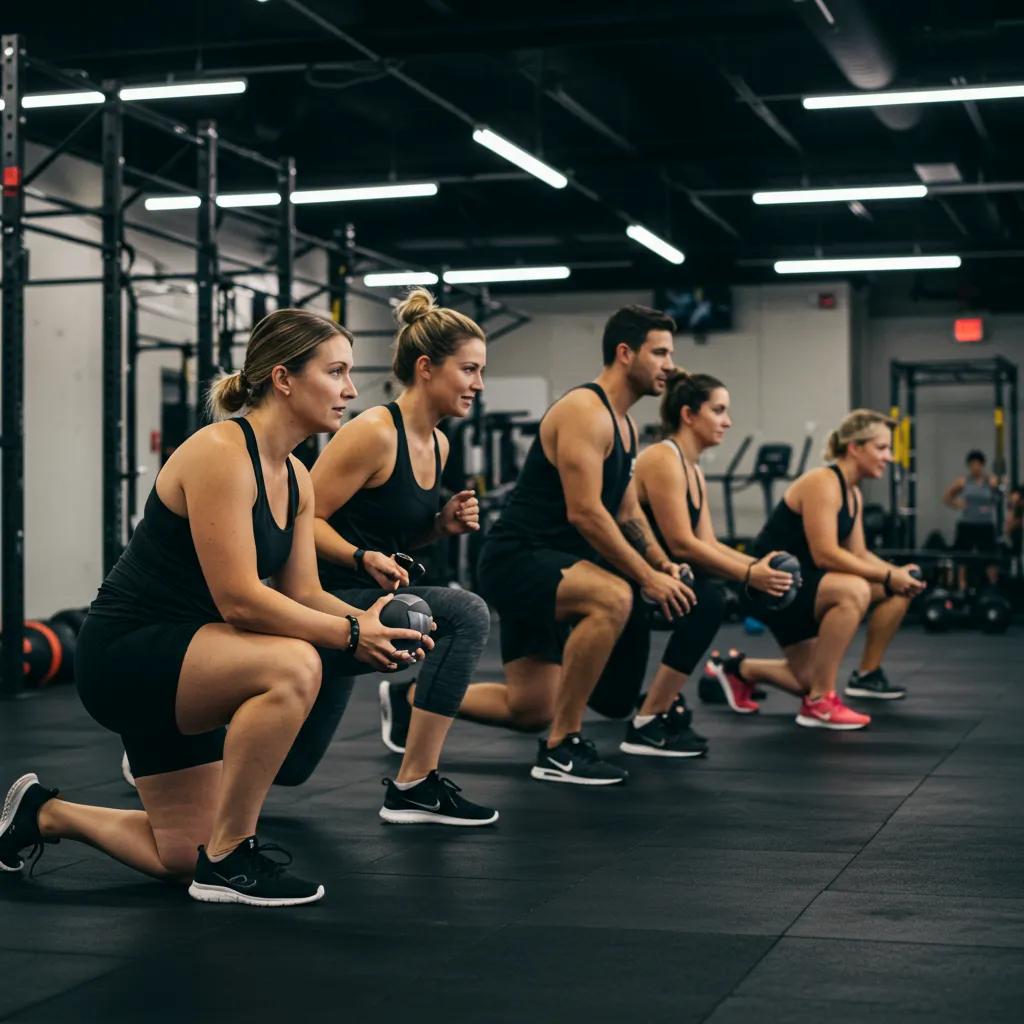
Certified trainers in translate exercise science into practical class plans that prioritize safety, progression, and individual adaptation. Credentials signal that coaches understand biomechanics, programming principles, and risk management. For local communities, having credentialed staff means sessions are designed with validated practices—progressions, regressions, and recovery strategies—so participants receive instruction grounded in recognized standards. This professional foundation supports better outcomes and reduces the likelihood of common training errors.
Trainers often hold industry-recognized certifications that ensure competency in exercise programming, client assessment, and safety protocols. Common credentials in the field include national certifications known for evidence-based curricula. These certifications help trainers structure sessions that align with current best practices and client needs. Emphasizing certified clarifies why participants should prioritize programs led by trained professionals.
| Trainer Type | Certification / Expertise | How It Helps Clients |
|---|---|---|
| Group Fitness Coach | Nationally recognized group-fitness credential (e.g., NASM-style curricula) | Designs scalable sessions and manages class flow safely |
| Strength & Conditioning Coach | Strength-focused certification or coursework | Programs progressive overload and technique coaching |
| Corrective Exercise Specialist | Movement assessment training | Identifies regressions and reduces injury risk |
What Qualifications and Certifications Do Forge’s Trainers Hold?
While specific trainer resumes vary by employer, high-quality are staffed by coaches with accredited education in exercise science and certifications from respected bodies. These credentials indicate proficiency in programming, client assessment, and emergency procedures—capabilities that directly affect session safety and effectiveness. Trainers who pursue continuing education stay current with emerging research and methods, improving outcomes over time. For prospective participants, asking about a coach’s certification background is a practical way to evaluate program quality.
How Do Trainers Customize Workouts for Different Fitness Levels?
Customization relies on progressions, regressions, and intensity modulation that trainers apply during sessions to match individual capabilities. Simple strategies include adjusting load, changing range of motion, altering work-to-rest ratios, and offering alternative movements that preserve training goals. Trainers monitor technique and perceived exertion, then apply in-class modifications so each participant trains at an appropriate challenge level. This responsive approach enables to train together while each member follows a safe, effective path.
How Can West Windsor Residents Join Forge’s Small Group Workout Classes?
Joining small group classes typically follows a straightforward process: inquire about options, attend an introductory or trial session, and then book a recurring slot based on availability and goals. Prospective members are encouraged to communicate goals and any movement limitations so trainers can advise on the best class fit. Remote or virtual options may be available for those preferring at-home participation, while on-site classes offer in-person coaching and community interaction. For exact schedules, pricing, and registration steps, consult .
- Request information: Ask about class formats and typical participant levels to identify a good starting point.
- Try an introductory session: Attend a trial or orientation to experience coaching style and group dynamics.
- Book a consistent slot: Choose regular sessions to build routine and leverage accountability.
| Option | Typical Steps | What to Expect |
|---|---|---|
| On-site classes | Inquiry → trial class → recurring booking | In-person coaching, immediate feedback, community interaction |
| Remote/virtual classes | Inquiry → setup/tech check → join live or on-demand | Flexible access, coached cues via video, limited hands-on correction |
| Hybrid approach | Inquiry → blended trial → choose preferred mix | Combines in-person supervision with virtual convenience |
What Is the Class Schedule and Pricing for Forge’s Small Group Fitness?
Schedules and pricing models vary by provider and season, often including morning and evening classes and several weekly frequency options to fit different lifestyles. Common pricing structures in the industry include per-class drop-ins, class-pack bundles, or monthly memberships that grant regular access; each model balances flexibility against commitment and value. To get accurate, up-to-date details on class times and costs, prospective participants should refer to or contact their team for the latest offerings. Understanding typical models helps residents compare value and choose the structure that supports consistent attendance.
Are There Remote or Virtual Small Group Training Options Available?
Virtual small group options can include live streamed classes, coached small-group video sessions, or on-demand libraries that replicate group programming remotely. Benefits of virtual formats include scheduling flexibility and continuity when in-person attendance is not possible, while limitations often include reduced hands-on correction and potential tech challenges. Hybrid models combine the accountability of in-person sessions with the convenience of to maintain progress during travel or busy periods. Evaluating trade-offs between coaching fidelity and convenience helps residents choose the right format for their circumstances.
What Do West Windsor Residents Say About Their Experience with Forge’s Small Group Classes?
Community feedback often highlights three themes: improved consistency, visible progress, and stronger social ties within the neighborhood fitness scene. Residents describe how scheduled classes created reliable habits, how structured progressions produced measurable strength and endurance improvements, and how group bonds encouraged ongoing participation. Collecting representative narratives helps illustrate common transformation pathways without relying on individual claims. These community-level patterns underline the social and physiological mechanisms that make effective.
Which Success Stories Highlight Transformations from Forge’s Classes?
Typical success-story frameworks follow a clear arc: an initial barrier (time, motivation, knowledge), a program decision (joining group classes), and an outcome (improved fitness metrics, routine establishment, greater confidence). These templates underscore measurable improvements—consistent attendance, increased load capacity, and regained mobility—within realistic timeframes driven by coached progression and peer support. Presenting helps prospective participants imagine plausible outcomes while setting realistic expectations for progress. Such narratives emphasize how structure and coaching combine to yield tangible fitness gains.
How Does Forge’s Build a Supportive Fitness Community in West Windsor?
Supportive communities form through consistent cohorts, shared challenges, and social rituals that extend beyond the workout floor—partner drills, small competitions, and informal post-class interaction all contribute to belonging. Trainers facilitate connection by grouping people consistently, celebrating milestones, and encouraging peer encouragement during sessions. Social belonging increases adherence and enjoyment, which in turn sustains long-term participation and better outcomes. For local residents, these relational benefits often prove as valuable as the , anchoring exercise as a regular part of community life.
Frequently Asked Questions
What Should I Expect During My First Small Group Class?
During your first small group class at Forge, you can expect a welcoming environment where the trainer will introduce you to the class format and the other participants. The session will typically start with a warm-up, followed by the main workout, which may include strength, cardio, or mobility exercises. Trainers will provide guidance on proper techniques and modifications based on your fitness level. This initial experience is designed to help you feel comfortable and engaged, setting the stage for your fitness journey.
How Are Classes Structured to Accommodate Different Fitness Levels?
Classes at Forge are structured to cater to various fitness levels through the use of progressions and regressions. Trainers assess each participant’s abilities and provide modifications to ensure everyone can participate safely and effectively. For example, they may suggest lighter weights or alternative movements for beginners while offering advanced options for more experienced members. This inclusive approach allows individuals to work at their own pace while still benefiting from the group dynamic.
Can I Participate in Small Group Classes if I Have Specific Health Concerns?
Yes, you can participate in small group classes even if you have specific health concerns. It is essential to communicate any limitations or medical conditions to your trainer before starting. They can then tailor the workouts to accommodate your needs, ensuring safety and effectiveness. Forge trainers are trained to provide modifications and alternative exercises that align with your health status, allowing you to engage in fitness while managing any concerns.
What Is the Typical Duration of a Small Group Workout Class?
Most small group workout classes at Forge typically last between 45 to 60 minutes. This duration includes a warm-up, the main workout, and a cool-down period. The structured time allows for an effective workout while also ensuring that participants can maintain focus and energy throughout the session. This format is designed to maximize results while fitting conveniently into busy schedules.
Are There Any Social Events or Activities Associated with the Classes?
Yes, Forge often organizes social events and activities to foster community among participants. These may include group challenges, fitness competitions, or informal gatherings outside of class. Such events help strengthen the bonds formed during workouts and encourage camaraderie among members. Engaging in these activities can enhance your overall experience and motivation, making fitness a more enjoyable and social endeavor.
How Can I Track My Progress in Small Group Classes?
Tracking your progress in small group classes can be done through various methods. Trainers often conduct periodic assessments to measure improvements in strength, endurance, and overall fitness. Additionally, participants can keep personal logs of their workouts, noting weights lifted, repetitions completed, and personal feelings of exertion. This self-monitoring, combined with trainer feedback, provides a comprehensive view of your progress and helps set future fitness goals.
Conclusion
Participating in small group workout classes offers residents a unique blend of personalized coaching and community support, leading to improved fitness outcomes and sustained motivation. The combination of tailored instruction, social accountability, and cost-effectiveness makes this training format an attractive option for those seeking to enhance their health and well-being. By joining Forge’s small group classes, individuals can experience these benefits firsthand and embark on a transformative fitness journey. Discover more about our offerings and take the first step towards your fitness goals today.